Login

IN-Action Archived Past Issues


Volume 228

DECEMBER 2025

That Lumber Just Didn’t “Cut It”!

Large building projects are typically complicated and subject to detailed specifications. They are also difficult because of the many deadlines that must be completed by contractors and subcontractors. Example? This newsletter’s dispute involved a disagreement over building materials…and it involved a lot of expense to correct the matter.

Click below for details, including why the insurer chose to reject the subcontractor’s request to have its reparation expenses covered.


Do it Right or Do it Over!

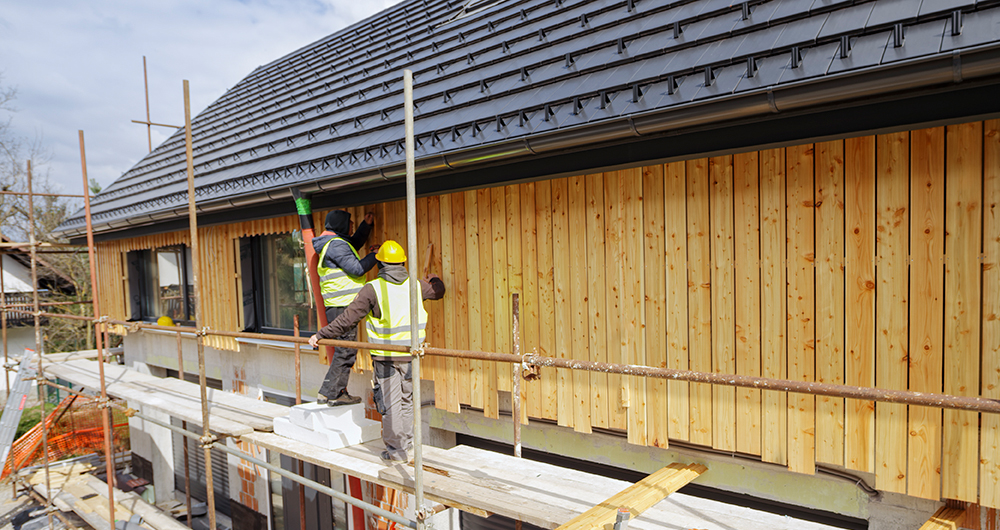
The case we feature this month has to do with the interpretation of a CGL’s obligation to cover losses arising from a building contract. It came down to what was meant by damages. A construction client asked a subcontractor to remediate a problem. That subcontractor installed lumber that did not meet the required quality standards specified in the project’s specifications. After removing and then replacing the sub-par materials, the subcontractor filed a claim with its insurer in the hope of being covered for their extra expenses. They later sued their insurer after the claim was rejected.

After not one, but two bites from the litigation apple, the subcontractor failed. Both the trial and appeals courts found in favor of the insurer, despite its argument that its expenses should have been covered.

Click here for some helpful information on various construction-related exposures that may be addressed by commercial liability policies. It is from P&C Insurance by Gordis found in Advantage Plus.


Your “Loss” Is Not My Loss!

The problem faced by the subcontractor was that its loss was not considered a covered loss under the CGL. While the firm did suffer a financial loss from having to correct its use of unacceptable materials, the event did not create a loss for a third party (other than a possible project delay).

The subcontractor’s installation was a matter of, perhaps, oversight or incompetence, but it did not cause an occurrence eligible for insurance protection. It was, rather, a very expensive inconvenience due to a failure to meet a quality standard. Liability insurance is not designed to be a financial backstop for operational errors that could have been avoided merely by following a checklist when ordering materials.

Click here for a brief discussion of the risk meant to be addressed by Owners and Contractors Protective Liability coverage. It is from the Commercial Liability section of PF&M found in Advantage Plus.
 

Vicarious Liability Can Be Precarious!

While the litigation over the contractual non-compliance was laid at the feet of the subcontractor, it could have financially entangled the general contractor vicariously. Consider the point of view of the client. Large projects are typically time sensitive. Delays in completion can often result in consequential financial losses. It is not difficult to imagine a client holding a general contractor responsible for improper hiring or poor supervision.

Mitigation and minimization of risks provided by insurance can be significantly assisted by non-insurance decisions. Consider the value of using agents and brokers with expertise in serving a contractor’s project needs.

Click here to see a source for finding insurance professionals with honed skills and high level knowledge of specialists from Insurance Marketplace found in Advantage Plus.