“Was That Really A Covered Activity?!”
|

A dispute arose between two insurers providing commercial excess coverage involving serious injuries to a school’s student/athlete. The insurers, who offered coverage to the member of a school district’s various sports programs, questioned whether the loss was eligible. The insurers held the opinion that the activity within which the loss occurred fell outside the scope of protection. There was also a dispute whether, if the loss was eligible, what was the order of response between the policies.
Click below to discover whether the courts viewed the serious loss in the same manner. It appeared to be a tangled situation that took real effort to smooth out.
|
| |
“Many Activities, Many Loss Exposures!”
|
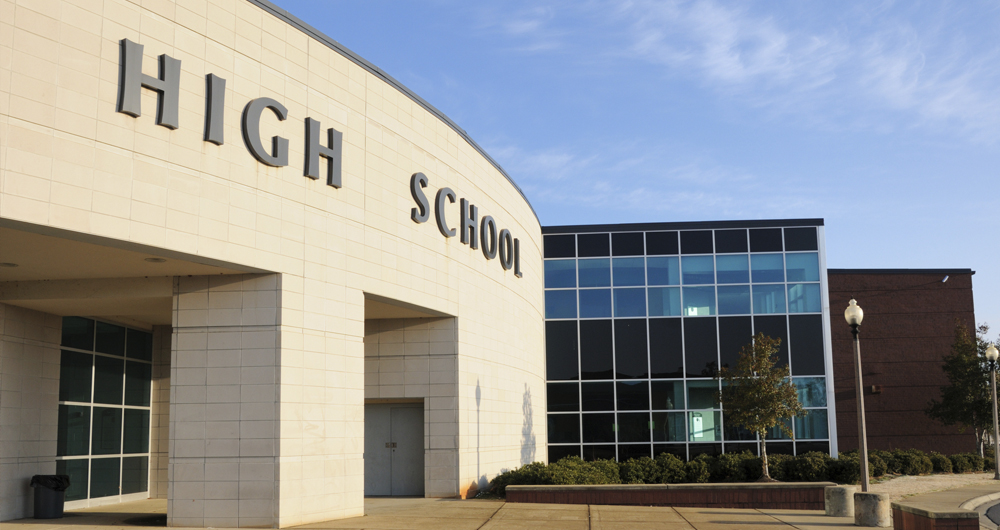
Schools must handle a tremendous variety of loss exposures because of their associated activities. Besides the chief responsibility of providing an education, schools offer many other opportunities for students to develop, improve their skills, and enrich their experiences. One popular area is student participation in competitive sports.
The problematic issue in our feature case involving the student who was severely injured was whether the specific activity surrounding the accident qualified as a covered activity. While the courts had to parse the policy language and circumstances, insurance professionals have tools to help them assess educational risks.
Click here for helpful information on protection aspects commonly needed for high schools. It is from the Education Institutions Section of Coverages Applicable, found in Advantage Plus.
|
| |
“Courting Coverage Clarity!”
|

The school whose student was injured had two excess policies that covered its sports program. After an appeal, the finding was that the accident occurring during travel from a track team practice to a post-season team party was a covered incident. The courts also, eventually, resolved how the general and special activities policies applied. The appellate ruling was that the policies were to share in equal proportion, as permitted by their respective limits.
However, confusion over eligibility should be avoided by using clear language. In this case, the courts had to interpret the wording regarding the authority that the applicable state’s athletic association held over individual schools.
Click here for valuable information about underwriting concerns to be considered when vetting educational risks. It is from the Commercial Liability section of PF&M found in Advantage Plus.
|
| |
“Growing Risk, Growing Awareness!”
|

The court case used with this In Action demonstrates the high stakes faced by student athletes. Most post-accident consequences involve varying lengths of recovery. However, injuries may often be life-altering. Insurance professionals who serve educational institutions must be cognizant of this major area of risk. It should be a priority to assure the placement and maintenance of an insurance program that meets the needs of institutions and their student population.
For many years, high schools, colleges, and universities treated their student-athletes no differently than those who were not participants in physically demanding and more dangerous activities. As athletic (and other special, riskier) pursuits grew in popularity, awareness of the need to offer more protection developed. Fortunately, most institutions are parts of associations that include comprehensive insurance programs that their students deserve. Insurance professionals owe it to themselves and their clients to become knowledgeable in this important coverage area.
Click here to read an article about the introduction of coverage designed for student-athletes. It is from the 06/04 issue of Rough Notes Magazine found in Advantage Plus.
|
| |
|
|
|