“It’s Risky to Ignore Charters!”
|
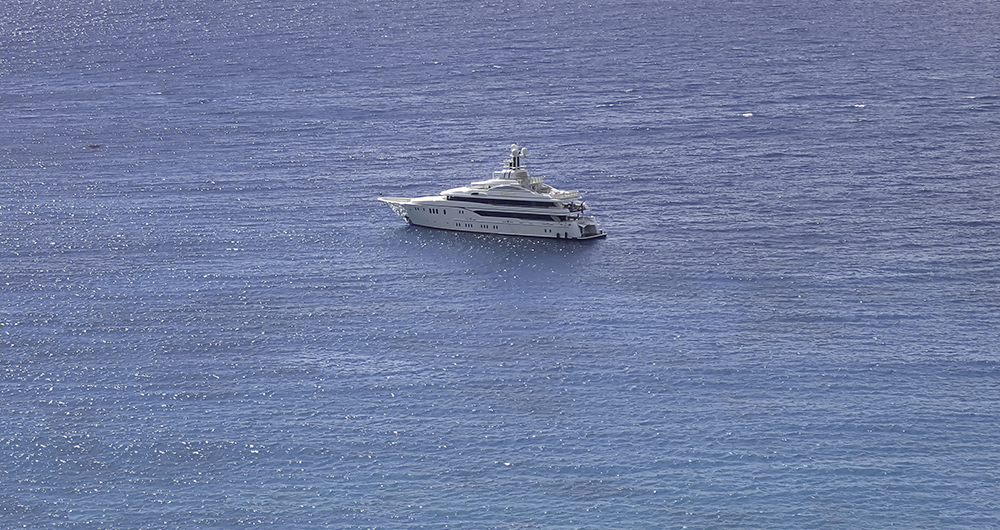
A yacht owner was provided an insurance policy by Commercial Union Insurance Company at the time of a loss. While the yacht was being used by a sailing school under a five-month charter, it was lost at sea. The insurer and the yacht’s owner entered litigation over whether the loss was eligible for coverage.
Their dispute was whether the specific use of the yacht at the time of the loss was barred under the policy. The yacht’s owner pressed the argument that the policy contained language as well as some ambiguity that must be considered.
Click below for details on how a court resolved how the policy’s wording responded to the charter-related loss.
|
| |
“Ignorance Is Not Rewarded!”
|
It could well be that owning a yacht may not equate to familiarity with the loss exposures inherent in the ownership and operation of such a vessel. In the vast majority of situations, insurers and policyholders are unequal contractual partners. That’s why, if there is any confusion found in a policy, judgments tend to be found in favor of insureds.
However, policyholders do have a serious responsibility. When disputing coverage issues, their arguments must be supported by an effort to be familiar with policy provisions, exclusions, and endorsements. Misinterpreting coverage is not the same as being ignorant about the protection they sought to protect their assets.
Click here for basic information on coverage that applies to yacht policies. It is from P&C Insurance by Gordis found in Advantage Plus.
|
| |
“The Proper Notion Is to Stay In Motion!”
|
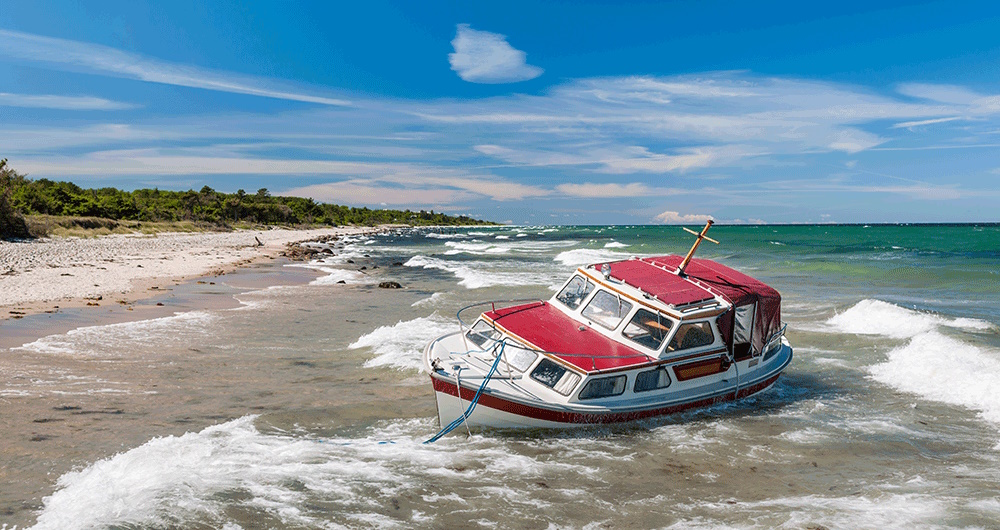
We just mentioned the importance of yacht owners having solid knowledge of their policies. One particular area of importance is how coverage applies when a vessel is not moving. Naturally, protection applies when a vessel is motionless due to a covered event. However, that is not necessarily the case when a vessel stalls for other reasons.
The vessel owners in our featured dispute seem a little light in the area of risk awareness and, by extension, risk mitigation. Vessels may stall for a number of reasons. If a stall can’t be rectified, it may be difficult to arrange for rescue. Therefore, it is critical to learn how to minimize the likelihood of losing power.
Click here for a brief discussion of tips that could be useful in maintaining a powered, functional vessel. It is from Emarketing for Agencies found in Advantage Plus.
|
| |
“You Have to Know Your Market to Navigate It!”
|
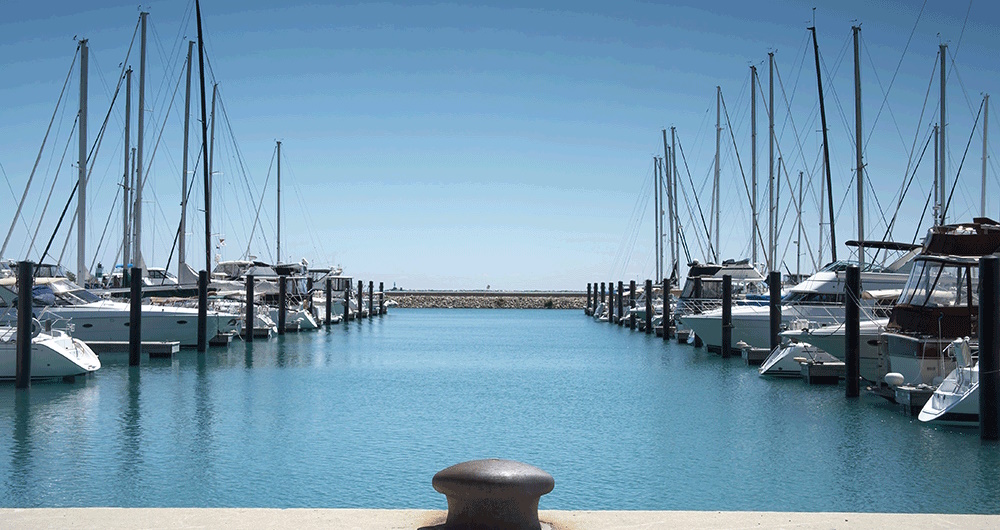
Like any single loss, the stakes are rarely so high as to affect the overall experience. However, familiarity with a market one chooses to serve is critical. You can’t afford to successfully serve a given market without learning the trends and features that drive it.
However, another reality is that, by the time one learns a market’s intricacies first-hand, one might not survive it. Therefore, real-life business experience should be coupled with the use of secondary sources. If you pay attention, researching and embracing the advice of others is quite valuable, if not essential.
So, pay close attention to competitors who have become veterans, and partner with carriers that have proven expertise in the area you wish to swim in, such as marine insurance.
Click here for an article providing insights into the viability of sustainably underwriting marine risks. It is from the 07/22 issue of Rough Notes Magazine found in Advantage Plus.
|
| |
|
|
|