MISCELLANEOUS MEDICAL PROFESSIONAL LIABILITY INSURANCE COVERAGE FORMS ANALYSIS
(November 2024)
INTRODUCTION
This coverage is designed for
individual professional medical practitioners, technicians, or practitioners,
blood banks, diagnostic testing laboratories, optometrists, and veterinarians.
It covers these parties against claims associated with acts or omissions in rendering
or failing to render professional services. Coverage also applies to the
costs to defend claims and investigation by the insurance company in any suit.
Coverage is usually available to
respond to the professional risks faced by an individual, partnership, limited liability
company, association, or corporation. Coverage may be provided under ten
standard Insurance Services Office (ISO) forms. In addition, specialty insurance
companies write policies for miscellaneous medical practitioners and
institutions on independent forms, usually on a claims-made basis. Endorsements
are available to customize the coverage provided for specific professions.
Some insurance companies write
separate policies for individual professionals, particularly on
association-sponsored programs. The Miscellaneous Medical Professional
Liability Section manual pages include rules and rates for
the following:
·
Blood banks
·
Chiropodist
·
Chiropractors
·
Employed
professional persons such as dental hygienists, medical laboratory technicians,
opticians, pharmacists, physiotherapists, X-ray technicians, and X-ray
therapists
·
Medical or
X-ray laboratories
·
Nurses
·
Optometrists
·
Physiotherapists
·
Veterinarians
COVERAGE FORMS
ISO offers the following coverage
forms to address miscellaneous medical professional liability risks:
- PR 00
05–Allied Health Care Providers Professional Liability Coverage Form
This coverage form provides
insurance on an occurrence basis.
- PR 00
06–Allied Health Care Providers Professional Liability Coverage Form
This coverage form provides
insurance on a claims-made basis.
Note:
The phrase
“Allied Health Care Providers” is a catchall term for health care providers that
other ISO coverage forms do not specifically address. Chiropractors, dental
hygienists, emergency medical technicians (EMTs), paramedics, physical and
occupational therapists, and radiological technicians can be covered using this
form.
- PR 00
07–Blood Banks Professional Liability Coverage Form
This coverage form provides
insurance on an occurrence basis.
- PR 00
08–Blood Banks Professional Liability Coverage Form
This coverage form provides
insurance on a claims-made basis.
- PR 00
09–Diagnostic Testing Laboratories Professional Liability Coverage Form
This coverage form provides
insurance on an occurrence basis.
- PR 00
10–Diagnostic Testing Laboratories Professional Liability Coverage Form
This coverage form provides
insurance on a claims-made basis.
- PR 00
11–Optometrists Professional Liability Coverage Form
This coverage form provides
insurance on an occurrence basis.
- PR 00
12–Optometrists Professional Liability Coverage Form
This coverage form provides
insurance on a claims-made basis.
- PR 00
13–Veterinarians Professional Liability Coverage Form
This coverage form provides
insurance on an occurrence basis.
- PR 00
14–Veterinarians Professional Liability Coverage Form
This coverage form provides
insurance on a claims-made basis.
This
analysis applies to each of these coverage forms except where otherwise noted.
GENERAL ANALYSIS OF ALL COVERAGE FORMS
The coverage forms are very
similar, so they will be discussed as a group. However, differences will also be
addressed.
Insuring Agreements–Allied Health Care Providers, Optometrists, and Veterinarians
Each of the
coverage forms for allied health care providers, optometrists, and
veterinarians contain two separate insuring agreements. Their applicability
depends on whether coverage is provided for an individual health care provider,
a business entity (partnership, limited liability company, association, or
corporation) or both.
Coverage A–Insuring Agreement–Individual Professional Liability
Individual Professional Liability
coverage applies to injuries that take place in the coverage territory. Injuries
must happen during the policy period and arise from the individual named
insured’s profession.
This insuring agreement obligates the
insurance company to respond to covered losses and to defend the insured
against claims from third parties. The company is not obligated to indemnify or
defend claims that are not covered.
|
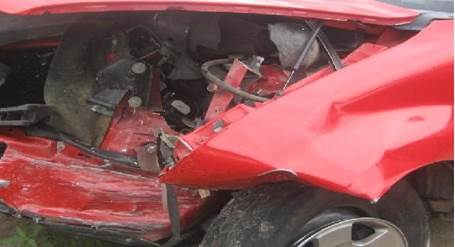
Example: Jim is a chiropractor and has a
professional liability policy. He receives notice of a suit from one of his
clients and sends the paperwork to his insurance company. The company
promptly denies the claim. It turns out that, in his hurry to get home, Jim's
car collided with the client's car in the parking lot adjacent to his
practice. Professional liability coverage does not respond to auto losses. |
|
The insurance company controls
the investigation of any medical incident and the settlement of any resulting
claim or suit.
Note:
Professionals
may object to a policy being settled without their consent, fearing damage to
their reputations. Insurance companies often prefer to settle in order to save
on defense costs and because of the uncertainties of a jury settlement. In the
past, all professional policies required the named insured to agree to any
settlement but that has changed. However, PR 42 00–Consent to Settle
endorsement is available.
The maximum amount available for
paying damages is stated in Section III–Limits of Insurance. The company's
obligation to defend ends when the limit of insurance that applies is used up
paying judgments or settlements.
The insurer is not obligated to
provide any services or pay any damages other than what was stated in this
insuring agreement or that which is described in Section I–Coverage 4.
Supplementary Payments.
The following provisions address
whether the current policy, a previous policy, or a future policy applies to
ongoing or progressive injuries:
- Coverage
applies only if the injury was not known to have happened prior to the
policy period. If such injury was known, any continuation, change, or
resumption of the injury during or after the policy period is considered
known prior to the policy period.
- An
injury that occurs during the policy period or one that happened prior but
was not known about prior to the policy period includes any continuation,
change, or resumption of that injury after the policy period ends.
- An
injury is considered known to have occurred at the earliest time when any
insured listed in Who Is An Insured, or any employee authorized to receive
notice of a claim, either reports the injury to the insurance company,
receives a written or verbal demand or claim for damages due to the
injury, or in any other way becomes aware that an injury has occurred or
has started to occur.
|
Example: On 9/1/2023 Gracie’s eyes were dilated
when she visited the optometrist. After the exam was over, she had some
problems seeing and stumbled, striking her head, as she was leaving. An
employee quickly offered to call for medical help but Gracie proceeded to her
car and left. Gracie could not see and drove her car into a tree. She was in the
hospital and rehab for months. After recovering, she filed a claim against
the optometrist for allowing her to leave while impaired. The claim was filed
on 6/1/2024. The date of the injury was 9/1/2023, so only the policy in
effect on that date will respond. Gracie’s husband files a claim on 8/1/2024
for loss of services between the injury and recovery. Although the loss of
services occurred over more than one policy period, only the policy in effect
on 9/1/2023 will respond. |
Note: PR
00 06, PR 00 12, and PR 00 14 further require that the medical, optometric, or
veterinary incident did not occur before the retroactive date on the
declarations or after the policy’s expiration date. Claims for damages must
first be made during the policy period or during any extended reporting period
the insured purchased. A claim is considered to have first been made at the
earlier of the date that an insured received notice and reported it to the insurance
company in writing or the date the company received written direct notice of
the claim. An extension applies to claims the insured received during the
policy period and reported to the company within 30 days after the policy’s
expiration date. All claims made by the same person that arise out of the same
medical, optometric, or veterinary incident are considered made at the time the
first of those claims was made against any insured.
|
Example: If the optometrist policy was on a claims-made
basis, the date of the claim would be 6/1/2021 because that was the date
claim was first made. The husband’s claim would also be 6/1/2021 because it
is directly related to Gracie’s claim. |
Coverage B–Insuring Agreement–Partnership, Limited Liability Company, Association, or Corporation Professional Liability
Partnership, Limited Liability
Company, Association, or Corporation Professional Liability coverage applies to
only injury caused by a business entity incident that takes place in the
coverage territory. The injury must happen during the policy period. The injury
(but not necessarily the business entity incident) must in some way be caused
by a person whose actions are considered the legal responsibility of the named
insured.
The company has the option to investigate
any business entity incident and settle any related claim or suit. The most
paid for damages is described in Limits of Insurance. The company's obligation
to defend ends when the limit of insurance that applies is used up paying
judgments or settlements. It no longer pays sums or performs acts or services
unless specifically provided for under Supplementary Payments.
The following provisions clarify
whether the current policy, a previous policy, or a future policy applies to
ongoing or progressive injuries:
- Coverage
applies only if neither the insured nor its employee authorized to receive
notice of a claim knew to any extent that the injury had occurred prior to
the policy period. If either knew of the injury prior to the policy
period, any continuation, change, or resumption of the injury during or
after the policy period is considered known prior to the policy period.
- An
injury that occurs during the policy period that neither the insured nor
its employee authorized to receive notice of a claim knew of prior to the
policy period includes any continuation, change, or resumption of that
injury after the policy period ends.
- An
injury is considered known to have occurred at the earliest time when any
insured listed in Paragraph 1 of Whom Is An Insured, or any employee
authorized to receive notice of a claim, either reports the injury to the
insurance company, receives a written or verbal demand or claim for
damages due to the injury, or in any other way becomes aware that an
injury has occurred or has started to occur.
Note:
PR 00 06, PR
00 12, and PR 00 14 further require that the business entity incident not occur
before the retroactive date on the declarations or after the policy’s
expiration date. Claims for damages must first be made during the policy period
or during any extended reporting period the insured purchased. A claim is
considered to have first been made at the earlier of the date that an insured
received notice and reported it to the insurance company in writing or the date
the company received written direct notice of the claim. An extension applies
to claims the insured received during the policy period and reported to the
company within 30 days of the policy’s expiration date. All claims made by the
same person that arise out of the same business entity incident are considered
made at the time the first of those claims was made against any insured.
Insuring Agreement–Blood Banks and Diagnostic Testing Laboratories
The coverage section of the coverage forms for blood
banks and diagnostic testing laboratories contains a single insuring agreement.
It states that the insurance company pays amounts the insured is legally
obligated to pay as damages because of injury that the coverage form insures. It
has the right and duty to defend the insured against any suit that seeks those
damages.
The insurance company is not
obligated to defend the insured against any suit that seeks damages for
injuries that the coverage form does not insure. The company has the option to investigate
any medical or laboratory incident and settle any resulting claim or suit.
Note:
Professionals
may object to a policy being settled without their consent because of the
potential damage to their reputations. Insurance companies often prefer to
settle in order to save on defense cost and because of the uncertainties of a
jury settlement. In the past, all professional policies required that the named
insured agree to any settlement but that has changed as seen in this paragraph.
However, PR 42 00–Consent to Settle endorsement is available.
The maximum amount available for
paying damages is described in Limits of Insurance. The company's obligation to
defend ends when the limit of insurance that applies is used up paying
judgments or settlements. It no longer pays sums or performs acts or services
unless specifically provided for under Supplementary Payments. Coverage applies
to only injury caused by a medical or laboratory incident that takes place in
the coverage territory during the policy period. The Blood Banks Coverage Form further
requires that the incident must arise from the insured’s business as a blood
bank. The Diagnostic Testing Laboratories Coverage Form further requires that
the injury must arise from the insured’s business as a diagnostic testing
laboratory or facility.
The following provisions to
clarify whether the current policy, a previous policy, or a future policy
applies to ongoing or progressive injuries:
- Coverage
applies only if neither the insured nor its employee authorized to receive
notice of a claim knew to any extent that the injury had occurred prior to
the policy period. If either knew of the injury prior to the policy
period, any continuation, change, or resumption of the injury during or
after the policy period is considered known prior to the policy period.
- An
injury that occurs during the policy period that neither the insured nor
its employee authorized to receive notice of a claim knew of prior to the
policy period includes any continuation, change, or resumption of that
injury after the policy period ends.
- An
injury is considered known to have occurred at the earliest time when any
insured listed in Paragraph 1 of Who Is An Insured, or any employee
authorized to receive notice of a claim, either reports the injury to the
insurance company, receives a written or verbal demand or claim for
damages due to the injury, or in any other way becomes aware that an
injury has occurred or has started to occur.
Note:
PR 00 08 and
PR 00 10 further require that the blood bank or laboratory incident did not
occur before the retroactive date on the declarations or after the policy’s
expiration date. Claims for damages must first be made during the policy period
or during any extended reporting period the insured purchased. A claim is
considered to have first been made at the earlier of the date that an insured
received notice and reported it to the insurance company in writing or the date
the company received written direct notice of the claim. An extension applies
to claims the insured received during the policy period and reported to the
company within 30 days after the policy’s expiration date. All claims made by
the same person that arise out of the same blood bank or laboratory incident
are considered made at the time the first of those claims was made against any
insured.
EXCLUSIONS
1.
All
ten coverage forms contain the following exclusions. Coverage does not apply to
the following:
- Contractual
liability for injury the insured must pay as damages due to liability it
assumed in a contract or agreement
Note: This exclusion does not apply to
liability for damages the insured has if there is no contract or agreement.
- Criminal
acts the insured commits or that any person for whom the insured is
legally responsible commits. Sexual abuse, molestation and fraud are
examples but the exclusion is not limited to only those actions.
- Employers'
liability for bodily injury to an employee of the insured that arises out
of and in the course of employment or performing duties related to conduct
of the insured’s business, or to that employee’s spouse, child, parent,
brother, or sister. This exclusion applies whether the insured is liable
as an employer or in any other capacity, and to any obligations to share
damages with or repay someone else responsible for the injury.
- Related
Article: Employment–Related Practices Liability Coverage Form Analysis
War. This includes injury caused by or that arises directly or indirectly from war, including undeclared or civil war. This exclusion also applies to warlike action by a military force, including action taken to hinder or defend against an actual or expected attack by any government, sovereign or other authority using military personnel or other agents. In addition, insurrection, rebellion, revolution, usurped power or action taken by a governmental authority to hinder or defend against any of these is also excluded. - Workers Compensation and
similar laws that apply to employee injuries
2.
The following exclusion applies to only the allied
health care providers, optometrists, and veterinarians coverage forms:
Rendering or Failure to Render
Professional Services by Others
This exclusion applies to injury
caused by other persons for whom the insured may be liable as a member,
partner, officer, director, or stockholder of a professional partnership,
limited liability company, association, or corporation. This exclusion does not
apply to Coverage B–Partnership, Limited Liability Company, Association, or
Corporation Professional Liability.
3.
The following exclusion applies to only the allied
health care providers and optometrists coverage forms:
Liability
Arising Out of Hospitals or Other Enterprises
This
excludes injury for which the insured may be liable because it is a proprietor,
hospital administrator, officer, stockholder, or member of the board of
directors, trustees, or governors of any enterprise that is not listed on the
declarations. Examples of such enterprises could be a hospital, sanitarium, and
clinic with bed and board facilities, nursing home or a laboratory. The key for
coverage is for the enterprise to be described on the declarations and
underwritten by the insurance company.
4.
The following exclusion applies to only optometrist
coverage forms:
Products Liability
Injury directly related to the production
or reproduction of ophthalmic lenses is excluded. Injury caused by related
products and the mounting of products on frames is also excluded. The fitting of
ophthalmic lenses, (commonly called contact lenses) to the eyes is excluded. The
preparing, selling, handling, or distributing optical goods or products in
connection with the insured’s optometry practice are excluded.
Note: Products liability is covered
under Commercial General Liability and not professional.
5.
The following exclusions apply to only veterinarians:
·
Any injury
that is the result of the owning, maintaining, using, operating, loading,
unloading of any auto, or the entrusting of any auto to another. This exclusion
is very all encompassing in that is applies to any auto that is owned by an
insured. It also applies to any auto that is rented or loaned to any insured.
It also applies to claims that allege negligence or other wrongdoing in
supervising, hiring, employing, training, or monitoring others by any insured.
Note: This is probably needed because country veterinarians use
automobiles as a regular part of their practice. They must drive to visit
animals and may even treat an animal in a vehicle or transport an animal in a
vehicle.
·
Injury related
to a fire is not covered. This exclusion is absolute, regardless any fire’s
origin.
|
Example: A fire broke out at Barry’s
Pet Care after it was struck by lightning. The fire spread so quickly that no
one was able to save the animals that had been prepped for surgery. The pet owners
sue Barry for their losses. The loss was due to the fire, so Barry has no
coverage. |
Any liability that in some way is
the result of the theft of any animal.
|
Example: Mia leaves Ms. Pringles with
Pet Pause for her annual checkup and teeth cleaning. When Mia returns the vet
tech cannot find Ms. Pringles. The cage lock had been jimmied and Ms.
Pringles stolen. When Mia sues Pet Pause there is no coverage because of this
exclusion. |
6.
An
additional exclusion applies to only
blood banks:
Any injury
that is the result of the owning, maintaining, using, operating, loading,
unloading of any auto, or the entrusting of any auto to another. This exclusion
is very all encompassing in that is applies to any auto that is owned by an
insured. It also applies to any auto that is rented or loaned to any insured.
It also applies to claims that allege negligence or other wrongdoing in
supervising, hiring, employing, training, or monitoring others by any insured.
Note: This is needed because of the
mobile blood bank units that are an integral part of the blood drives.
7.
Two
additional exclusions apply to only diagnostic testing laboratories:
·
Therapeutic Treatment
Coverage does not apply when
treatment is provided and rendered by the insured or at its direction
·
Liability
Arising Out of Acts or Omissions as Doctor of Medicine
Any injury that arises from an insured’s
liability for acts or omissions as a doctor of medicine not as a diagnostic
testing labs employee are not covered.
|
Example: Paula was having her blood drawn at Medi-lab when she fainted.
Jerry, one of the lab doctors, helped her up. He advised her that she must
have low blood sugar and provided her with some energy bars and orange juice
that spiked her blood sugar, resulting in more problems. Paula sued Jerry for
his rendering of professional services. Because Jerry is a doctor of medicine
and his advice was related to his practice as such, coverage is excluded. |
SUPPLEMENTARY PAYMENTS
The insurance company pays the
following expenses:
- All costs the insurance
company incurs related to handling a given loss or suit that may be
covered.
- The cost of attachment bonds
but only the cost needed to buy a bond up to the limit of insurance on the
policy. The cost of bond limits in excess of the limit is the
responsibility of the insured. Also, the insurance company does not have
the responsibility to provide the bonds.
- Costs the insured incurs
because the insurance company requests that it help to investigate claims
or settle suits. Actual loss of income lost to the insured because of
these activities is paid but only up to a maximum of $250 per day.
- Court costs assessed against
the insured related to a suit. This does not include fees or expenses for
lawyers which are assessed against the insured.
- Prejudgment interest
assessed to the insured but only for that part of the judgment which the
insurance company pays. Once the insurance company offers up its limit for
settlement, it will not be responsible for any such interest that
accumulates following that offer.
- This is interest on the judgment’s full
amount that begins to accrue after the judgment is entered. It is
important to note that this interest is not only on the insurer’s part of
the judgment but on the entire judgement. The insurer can stop paying this
interest by paying its part of the judgment, offering to pay it or by
depositing it with the court.
The amounts paid
for categories of expenses listed in this section do not reduce the limits of
insurance that apply.
|
Example: An optometrist has a policy with a $500,000 limit. A former patient
files suit, and the optometrist’s insurance company pays for the following:
The
insurance company’s payment of this $29,200 does not reduce the $500,000
limit of insurance. |
WHO IS AN INSURED
Under the insuring
agreement for Coverage A–individual professional liability on allied health
care providers, optometrists, and veterinarians coverage forms, the only
insured is the person named on the policy declarations.
Under the
insuring agreement for a partnership, limited liability company, association,
or corporation, on allied health care providers, optometrists, and
veterinarians coverage forms if the named insured on the declarations is a:
- Partnership, the partnership
is an insured. The partners are also
insureds but only when they are being held responsible as a partner for
the professional acts or omissions of others.
- Limited Liability Company, the limited liability company is an insured. The
limited liability company’s members and managers are also insureds but
only when they are being held responsible as a member or manager for the
professional acts or omissions of others.
- Corporations or
Associations, the association or
corporation is an insured. Executive officers, directors, trustees,
governors and stockholders are also insureds but only when they are being
held responsible as a member or manager for the professional acts or
omissions of others.
Under the insuring agreement for
blood banks and diagnostic testing laboratories forms, if the named insured is:
- An
individual, then that individual and the individual's spouse are insureds.
However, this applies only for the conduct of a business owned solely by the
named insured.
- A
partnership or joint venture, then that partnership or joint venture is an
insured. Partners, members, and their spouses are also insureds. However,
this applies only for their liability as partners or members.
- A
limited liability company, then the limited liability company is an
insured. Its members are also insureds but only with respect to conduct of
the insured’s business. Its managers are insureds but only with respect to
their duties as the insured’s managers.
- An
association or corporation, the association or corporation is an insured.
Its executive officers, directors, trustees, and governors are insureds
but only with respect to their duties as the insured’s officers,
directors, trustees, or governors. The named insured’s stockholders are
insureds in the very narrow area of stockholder liability.
The named insured’s employees are also insureds.
However, the acts or omissions must be committed within scope of employment or
while performing a duty that is related to the named insured business.
|
Example: Johnny is a certified EMT who is trying to get hired by the
fire department. In the meantime, he is working at FirstWatch diagnostics. A
mail carrier collapses in the lobby at FirstWatch and Johnny rushes to
provide aid. He stays with the carrier until the ambulance arrives. First
Watch is sued because of Johnny’s EMT actions. Johnny is not considered an
insured because he was not conducting FirstWatch’s business and his actions
were not within the scope of his employment. |
On all
coverage forms:
An insured may be judged incompetent or die. In that case, this insurance
terminates with respect to that insured. However, it continues for an insured’s
legal representative for any covered medical incident or business entity
incident that had already occurred.
|
Example: George
is a chiropractor. He is sued by a patient who alleges that George’s
treatments resulted in permanent back injuries. George has a heart attack and
dies while the claim is being investigated. His insurance company continues
to defend the lawsuit as George’s executor works to settle his estate. |
No person is an insured with
respect to conduct of any current or past partnership or limited liability
company not listed on the declarations as a named insured.
LIMITS OF INSURANCE
The Limits of
Insurance on the declarations are the most paid, regardless of the number of
insureds, claims made, suits brought, or persons or organizations that make
claims or bring suits.
Note: PR 00 06, PR 00 08, PR 00 10, PR 00 12, and PR 00 14 remove all
reference to the term suit.
Allied Health Care Providers, Optometrists, and Veterinarians Coverage Forms
In these coverage forms, the Individual Professional
Liability Aggregate Limit is the maximum amount available to respond to the sum
of all damages under the insuring agreement for individual professional
liability. The Each Medical Incident Limit is the maximum amount available for
all damages under the insuring agreement for individual professional liability
because of all injury that arises from any one such incident.
All related injuries
that arise from providing or failing to provide professional services to any
one person, or any one animal in the veterinarians forms, or serving as a
member of a formal accreditation, standards review, or equivalent professional
board or committee in connection with a single person or organization, are
considered one incident.
In the Coverage
A insuring agreement, the Aggregate Limit and the Each Medical incident Limit
apply separately to each named insured.
The
Partnership, Limited Liability Company, Association, or Corporation
Professional Liability Aggregate Limit is the most paid for the sum of all
damages under the Coverage B insuring agreement for a partnership, limited liability
company, association, or corporation. The Each Business Entity Incident Limit
is the most paid for all damages under the insuring agreement because of all
injury that arises from any single business entity incident. All related
business entity incidents that arise from providing or failing to provide
professional services to any one person are considered one business entity
incident.
Blood Bank Coverage Forms
The
Aggregate Limit is the maximum available to respond to the sum of all damages.
The Each Medical Incident Limit is the maximum available to respond to all
damages because of all injury that arises from any one medical incident. If one
person has a number of related incidents that are due to the insured providing
or failing to provide professional health care services, the sum of those
incidents is considered a single medical incident.
Diagnostic Testing Laboratories Coverage Forms
The
Aggregate Limit is the maximum available to respond to the sum of all damages.
The Each Laboratory Incident Limit is the maximum available to respond to all
damages because of all injury that arises from any one incident. If one person
has a number of related incidents that are due to the insured providing or
failing to provide professional health care services, the sum of those
incidents is considered a single laboratory incident.
All Coverage Forms
The Limits of Insurance apply
separately to each consecutive annual period and to any remaining period of
less than 12 months, beginning with the policy inception date on the
declarations. There is an exception that applies if the policy period is
extended after issuance for an additional period of less than 12 months. In
that case, the additional period is part of the last preceding period for
purposes of determining the Limits of Insurance.
Note: If possible, it is always better
for an insured to have a new policy issued, even if for a very short time,
rather than having the policy extended. The new policy provides a new aggregate
limit available to pay for losses in that short time period. If extended, the
limit of the policy being extended is stretched to include the policy extension
so instead of having $1,000,000 to pay for 12 months of claims, the insured
would have that same $1,000,000 to pay for 15 months (or however many months of
extension) of claims.
CONDITIONS
These
conditions apply to each coverage form unless otherwise noted:
·
Bankruptcy
or insolvency of the insured or its estate does not relieve the insurance
company of its obligations.
·
The insured
has a number of duties to perform if a loss occurs:
Note: PR 00 06, PR 00 08, PR 00 10, PR 00 12, and PR 00 14 remove all
reference to the term suit in the duties described below.
o
It must
notify the insurance company as soon as practicable of a circumstance that may
result in a claim. To the extent possible, the notice should include the
specific circumstances involved with the incident, the names and addresses of
any injured persons and witnesses, and the nature and location of any injury that
arises from the incident.
o
A claim may
be made or a suit may be brought. In either case, the insured must immediately
record the specifics of the claim or suit, the date it was received, notify the
insurance company, and provide written notice of the claim or suit as soon as
practicable.
o
The named
insured and any other insured involved must immediately send the insurance
company copies of any demands, notices, summonses, or legal papers received in
connection with the claim or suit. It must authorize the company to obtain
records and other information, cooperate with it in investigating or settling
the claim or defense and, when requested, help it enforce any right against any
person or organization that may be liable to the insured because of injury to
which this insurance may apply.
o
No insured
may voluntarily make payments, assume obligations, or incur any expenses
without the company’s consent. If it does, it does so at its own cost and
expense.
·
No person or
organization has a right to join the insurance company as a party or otherwise
bring it into a suit that seeks damages from an insured or sue it until and
unless all policy terms are met. A person or organization may sue the company
to recover on an agreed settlement or on a final judgment against an insured
obtained after an actual trial. However, the company is not liable for damages
that are not payable under this coverage form’s terms or that exceed the limit
of insurance that applies.
An agreed
settlement is a settlement and release of liability signed by the insurance company,
the insured, and the claimant or the claimant’s legal representative.
·
The
insurance company calculates all premiums according to its rules and rates. An
advance premium is a deposit premium only. At the end of each audit period, it
calculates the earned premium for that period. If additional premium is owed,
the first named insured must pay it when it receives the billing notice. If the
earned premium exceeds the premium already paid, the company refunds the
excess. The first named insured must keep records of the information needed to
calculate the premiums and send copies to the company when it asks for them.
·
By accepting
the policy, the insured agrees that the statements on the declarations are
accurate and complete, that they are based on representations it made to the
insurance company, and that the company issued the policy relying on the
insured’s representations.
·
Except with
respect to the Limits of Insurance and any rights or duties specifically
assigned to the first named insured, this insurance applies as if each named
insured was the only named insured. Coverage also applies separately to each
insured against whom a claim is made or suit is brought.
·
If the
insured has rights to recover all or part of any payment the company made, they
transfer those rights to the company. The insured cannot do anything after a
loss to impair those rights. At the company’s request, the insured must bring
suit or transfer those rights to the company and help it enforce them.
·
If the
company decides to not renew, it must mail or deliver written notice to the
first named insured at least 30 days before the expiration date. If the notice
is mailed, proof of mailing is sufficient proof of notice.
The
following apply in the coverage forms for allied health care providers,
optometrists, and veterinarians:
·
The first
named insured is required to notify the insurance company of changes that might
affect the terms of the insurance. Examples of changes to report are changes in
members, partners, officers, directors, stockholders, or medical professional
employees. Another change is when there is a change in specialty.
·
There may be
other valid and collectible insurance available to the insured for a loss that
the coverage form insures. In that case, the company’s obligations may be
limited, depending on whether the other insurance applies on a primary or an
excess basis.
In the
claims made coverage forms, this condition applies whether the other insurance
is primary, excess, contingent, or on any other basis if:
o
It is
effective prior to the beginning of the policy period.
o
It applies
to injury on other than a claims-made basis if there is no retroactive date on
the declarations.
o
The policy
period of the other insurance continues after the retroactive date.
·
The
insurance company pays damages on a primary basis unless other coverage also
applies on a primary basis. In that case, the company shares the damages with
the other company.
This
insurance is excess over other insurance that covers an individual’s acts or
omissions that arise from his or her service as a member of a formal
accreditation, standards review, or equivalent professional board or committee.
When this
insurance is excess over other insurance, the company does not have any duty to
defend the individual against any suit if any other insurance company has a
duty to defend. If another insurance company does not defend, the company will
do so, subject to being entitled to the rights of that individual against all
other insurance companies.
When this
insurance is excess over other insurance, the company pays the amount of loss
that exceeds the total amount that the other insurance companies pay, up to the
limits of insurance that apply. If other insurance is also written as excess,
the company shares the excess loss with the other insurance company.
If all available insurance permits
contribution by equal shares, the insurance company follows that method. Each
company contributes equal amounts until its limit of insurance is used up or
the loss is paid, whichever comes first. If any other insurance does not permit
contribution by equal shares, it contributes by limits. Its share is based on
the ratio of its limit of insurance to the total limits of all available
insurance.
|
Example: Policy #1 has a $500,000 limit and policy #2 has a $1,000,000
limit. In the case of a $750,000 loss payable by both insurance companies,
payment by equal shares means policy #1 pays $375,000 and policy #2 pays the
other $375,000. Payment by limits means policy #1 pays $250,000 and policy #2
pays $500,000. |
The following apply in the coverage
forms for blood banks and diagnostic testing laboratories.
Other valid
and collectible insurance may be available for a loss that those coverage forms
insure. In that case, that coverage is primary.
Note:
In the
claims-made coverage forms, this condition applies whether the other insurance
is primary, excess, contingent, or on any other basis if:
·
It is
effective prior to the beginning of the policy period.
·
Applies to
injury on other than a claims-made basis if there is no retroactive date on the
declarations.
·
The policy
period of the other insurance continues after the retroactive date.
If there is
another primary policy, the company shares the damages with the other company.
If all available insurance permits contribution by equal shares, the company
follows the method indicated under allied health care providers, optometrists,
and veterinarians.
EXTENDED REPORTING PERIOD
PR 00 06, PR
00 08, PR 00 10, PR 00 12, and PR 00 14 are claims made coverage forms. All contain
provisions for an extended reporting period. The insured has the right to
purchase an extended reporting period for an additional premium under the
following three circumstances:
·
The policy
is canceled or not-renewed.
·
The
insurance company renews or replaces the policy with one that has a retroactive
date later than the date on the declarations.
·
The
insurance company renews or replaces the policy with one that does not provide
coverage on a claims-made basis.
The extended
reporting period does not change the scope of coverage provided or reinstate or
increase the Limits of Insurance. It begins with the end of the policy period
and does not apply to claims covered under any subsequent insurance or extended
reporting period the insured purchases or that would be covered except for using
up the limit of insurance. It applies to only injuries caused by an incident
that occurs after the retroactive date on the declarations and before the end
of the policy period as long as the claim is first made during the extended
reporting period.
If the named
insured decides to purchase the extended reporting period, it must notify the
company in writing within 30 days after the policy expires or is cancelled. It
does not take effect until the insured pays the additional premium. It cannot
be cancelled.
On the
allied health care providers, optometrists, and veterinarians coverage forms,
when the extended reporting period is in effect, the company provides
Supplemental Aggregate Limits for Coverage A and/or Coverage B for any claim
first made during the extended reporting period. They are equal to the
aggregate limits on the declarations for the Individual Professional Liability
Aggregate Limit and the Partnership, Limited Liability Company, Association, or
Corporation Professional Liability Aggregate Limit.
Under the
blood banks and diagnostic testing laboratories coverage forms, when the
extended reporting period is in effect, the company provides Supplemental
Aggregate Limits for any claim first made during the extended reporting period.
They are equal to the aggregate limits on the declarations.
The coverage
provided under the extended reporting period applies on an excess basis over
any other valid and collectible insurance available, including coverage written
on a primary, excess, contingent, or any other basis.
DEFINITIONS
The
following terms have special meaning under the forms described in this article.
Not all definitions apply to all coverage forms:
Auto
With
respect to the blood
bank and veterinarians coverage forms, this means a land motor vehicle, trailer,
or semi-trailer designed for travel on public roads. The term includes any
attached machinery or equipment but excludes mobile equipment.
Bodily injury
This means bodily injury,
sickness, or disease sustained by a person. The term includes resulting death
from any of these regardless of when the death happens.
Business entity incident
This is any act or omission that is the
result of professional services being provided or failing to be provided by any
of the following:
- The named insured’s
partners, members or managers, directors, executive officers, governors,
trustees or stockholders
- Employees of the named
insured
- Any person who is acting
under the personal direction, control, or supervision of a partner, member
or manager, director, executive officer, governor, trustee, or stockholder
of the named insured.
Claim
With
respect to PR 00 06, PR
00 08, PR 00 10, PR 00 12, and PR 00 14, this means a suit or demand made by or
for an injured person for monetary damages because of alleged injury to which
coverage applies.
Coverage territory
This means the United States of
America, its territories and possessions, Puerto Rico, and Canada. The term
also includes all parts of the world but only when the insured’s responsibility
to pay damages is determined in a suit on the merits in the United States,
Puerto Rico, or Canada or in a settlement the insurance company agrees to.
Employee
Leased
workers are included in the term employee. Temporary workers are not leased
workers and therefore are not employees.
Executive officer
Any person who
holds an officer position that has been created by the named insured’s
governing document.
Laboratory incident
This applies only to the diagnostic testing laboratories coverage forms. This term is any
act or omission that arises from the providing or failing to provide
professional diagnostic testing services in either of the following:
·
Clinical-pathological
exam and other services used to diagnose of health, disease, or injury of either
human beings or animals
·
Diagnostic
tests and the reporting of such or the reliance on the results of diagnostic
tests.
Leased worker
A person the
insured leases from a labor leasing organization under an agreement to perform
duties related to conduct of the insured’s business. A temporary worker is not
a leased worker.
Medical incident
With respect to the allied health care provider’s coverage forms, this term is an act or
omission that arises from the insured providing or failing to provide
professional services. An act or omission that arises from acts or omissions of
any person who acts under the insured's personal direction, control, or
supervision is also a medical incident. Acts or omissions that arise from the
insured’s serving as a member of a formal accreditation, standards review, or
equivalent professional board or committee are also considered medical
incidents.
With respect to the blood banks coverage forms, this term is any act or omission related to
the providing of or the failing to provide professional health care services when
it is in connection with blood donations: blood product handling or distribution;
or any warranty that is made at any time with respect to a blood product.
Mobile equipment
With
respect to the blood banks and veterinarians coverage forms, this term is narrowly defined to coordinate
with the definition of mobile equipment in the business auto coverage form to
clarify which coverage form applies to each type of mobile equipment. In these
coverage forms, it includes the following types of land vehicles, including
attached machinery or equipment:
- Any
bulldozer, farm machinery, forklift, or other vehicle designed for use primarily
off public roads
- Vehicles
maintained for use solely on or next to premises the insured owns or rents
- Vehicles
that travel on crawler treads
- Vehicles
(self-propelled or not) maintained primarily to provide mobility to
permanently mounted power cranes, shovels, loaders, diggers, drills, or
road construction or resurfacing equipment such as graders, scrapers, or
rollers
- Other
vehicles that are not self-propelled and that are maintained primarily to
provide mobility to permanently attached air compressors, pumps, and
generators. This also includes spraying, welding, building cleaning,
geophysical exploration, lighting and well servicing equipment, or cherry
pickers and similar devices used to raise or lower workers.
- Other
vehicles maintained primarily for purposes other than to transport persons
or cargo
Certain
types of vehicles with certain types of permanently attached equipment fall
under the definition of auto. These include equipment designed primarily for
snow removal, road maintenance other than construction or resurfacing, street
cleaning, cherry pickers, and similar devices mounted on automobile or truck
chassis to raise or lower workers. This also includes air compressors, pumps,
and generators and spraying, welding, building cleaning, geophysical
exploration, lighting, and well servicing equipment.
Optometric incident
This applies only to the optometrists’ coverage forms. It is any act or omission that arises from
the providing or the failing to provide professional optometric services by the
insured or by any person who is acting acts under the insured's personal
direction, control, or supervision. It also means such acts or omissions
arising from the insured serving as a member of a formal accreditation,
standards review, or equivalent professional board or committee.
Suit
A civil
proceeding that alleges damages due to injury. Insurance must apply to the
alleged injury. It also means an arbitration proceeding or other method of
alternative dispute resolution to which the company and the insured consent are
both included within this definition.
Temporary worker
A person
furnished to the insured as a substitute for a permanent employee on leave. It
is also a person furnished to meet seasonal or short-term workload conditions.
Note: It is very important to realize that this person is not
considered an employee. This person’s acts or omissions would therefore not be
covered unless done at the direction of an insured. This person would also not
receive the benefit of this insurance if named in an action.
Veterinary incident
This applies only to the veterinarian’s coverage forms. It is any act or omission that arises
from the providing or the failing to provide professional veterinarian services
by the insured or by any person who is acting acts under the insured's personal
direction, control, or supervision. It also means such acts or omissions
arising from the insured serving as a member of a formal accreditation,
standards review, or equivalent professional board or committee.