IA 00 01–INSURANCE AGENTS AND BROKERS PROFESSIONAL LIABILITY POLICY ANALYSIS
(March 2023)
INTRODUCTION
Insurance Agents and
Brokers Professional Liability Policies have been available for a number of years
from a variety of carriers. IA 00 01–Insurance Agents and Brokers Professional
Liability Policy is the first Insurance Services Office (ISO) policy that
provides this coverage.
This policy begins by stating that it is a claims-made policy. This
means that only claims first made during the policy period or during an
extended reporting period may potentially be covered.
The policy also states that certain policy provisions restrict coverage.
It encourages the named insured to carefully read the policy in order to
understand each party’s rights and duties and to determine what is covered and
not covered. It also points out that the terms you and your refer to the named
insured. The terms we, us, and our refer to the insurance company that provides
the coverage. Section VII–Definitions should be reviewed because certain terms
used in the policy have meanings that affect the coverage being provided.
SECTION I–INSURANCE AGENTS AND BROKERS PROFESSIONAL LIABILITY COVERAGE
A. Insuring Agreement
1.
The insurance company
agrees to pay amounts the insured is legally obligated to pay as damages because
of a wrongful act. However, this insurance must cover the wrongful act.
Related Court Case: Failure of
Insured to Read Policy Did Not Relieve Agency from Duty to Provide Requested
Coverage
The insurance company not only has the right
to defend any suit brought against the insured, it
also has a duty to do so. That duty, which can be very expensive, does not
apply to suits brought for wrongful acts that this insurance does not cover.
The insurance company decides what is
investigated. This is very important because Section VI–Conditions states that
the named insured is required to report all incidents of wrongful acts. The
insurance company receives that information and decides when and if it will
investigate such incidents.
The insurance company can settle any claim
that may result from an incident. However, the named insured must agree, in
writing, to any settlement prior to its being made. This is important to
protect the reputation of the insurance agent. However, it is not without
consequence. Section VI-Conditions B. Consent to Settle explains that the
insurance company does not pay more on the claim than the amount it could have
settled for but didn’t because of the named insured’s refusal.
|
Example: Jerry sues Marcy. Marcy’s carrier, Happy
Insurance, works with Jerry and they agree to settle for $150,000. Happy
presents the settlement to Marcy who adamantly refuses to agree to a
settlement. Happy withdraws the settlement offer and the case proceeds to
trial. Jerry is awarded $450,000. Happy Insurance pays only $150,000 of the
award. Marcy must pay the remaining $300,000. |
The amount this policy pays is in accordance
with Section IV–Limits of Insurance. The insurance company no longer has a duty
to defend once payments under this policy use up the limit of insurance.
|
Example: Hazel is an employee of Best Agency Ever,
Inc. She made a series of mistakes that resulted in 150 policyholders not
having coverage when a tornado devastated the community. Best Agency’s
carrier, Trusted Friend Insurance Company, paid the $1,000,000 limit in
settlements. It then notified Best Agency that it would no longer defend or
pay claims because the limit was used up. |
2.
The only additional
obligations that the insurance company has beyond what is described in 1.
above, are those items specifically described in Paragraph C. Supplementary
Payments.
3. Wrongful act(s) that this policy covers must meet
all of the following conditions:
- Take
place in the coverage territory
- Begin on
or after the Retroactive date and before the policy period ends
- The resulting
claim must first be brought during the policy period or an extended
reporting period.
Note: Items 4. and 5. below explain
what this means.
|
|
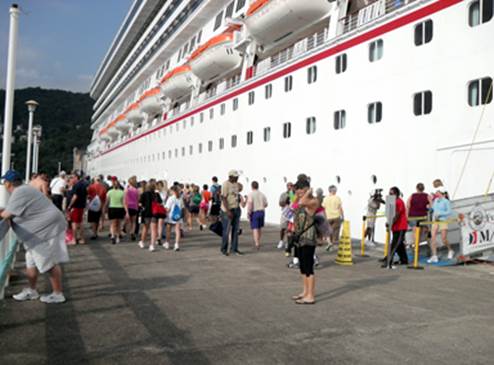
Example: Christopher is an enthusiastic producer. He meets Joanie
on a Mediterranean cruise and agrees to bind her Homeowners coverage. He uses
his tablet computer to forward all information to his office staff and Joanie
contacts her current carrier and orders it to cancel all coverage. Joanie
presents a claim for a stolen necklace to the Homeowners carrier a year
later. The carrier denies coverage because Christopher did not bind a jewelry
floater. Joanie sues Christopher in Amsterdam, her current place of
residence. Christopher’s professional liability carrier denies coverage. |
4. The date a claim is deemed to have
been received by the insurance company is important because that date
determines coverage. It is the earliest of the following:
- When the
claimant presents a claim to an insured, the date the insurance company is
notified of that claim. The notice to the insurance is not required to be
in writing but the written notice is to follow as soon as practicable.
- The date
a claim is presented, in writing, directly to the insurance company by the
claimant.
A claim
that the insurance company receives from an insured within 30 days following
the policy period is considered received within the policy period. However,
this grace period does not apply if there is an Extended Reporting Period in
effect or if another policy is in effect.
|
Example: Penelope’s policy is in effect from 03/01/19 to 03/01/20.
A claim is presented on 03/15/20. Scenario 1: Penelope’s policy was allowed to lapse and the Extended
Reporting Period was not activated. The claim is considered part of the 03/01/19
to 03/01/20 policy. Scenario 2: Penelope’s policy was cancelled and Penelope
purchased the Extended Reporting Period. The claim is considered part of the
Extended Reporting period for the 03/01/19 to 03/01/20 policy period. Scenarios 3: Penelope’s policy renewed on 03/01/20. The claim is
considered part of the 03/01/19 to 03/01/20 policy period. |
5. The named insured cannot simply wait
for a claim to be presented. It has a responsibility to notify the insurance
company whenever a situation arises and the named insured can reasonably
conclude that a claim against this policy might occur. The claim date is the
date that the situation is reported to the insurance company.
|
Example: On March 5, Paul, the agency principal, overheard Jack, his
new producer, advise a customer to not purchase flood insurance because of
the cost. Paul questions Jack about this. Jack explains that he gave the same
advice to 50 other customers located in flood zones because he thought they
would receive free emergency payments through FEMA. Paul immediately notifies
his insurance carrier of potential claims. He also begins to contact all of
Jack’s clients to correct the mistake. The claim date is March 5. |
6. All claims that result from the same
wrongful act are considered a single claim. The date of that single claim is
the date on which the first claim was reported.
|
Example: The rains started on March 6. Paul and his staff contacted
all of Jack’s clients but could not bind coverage for any of them who
requested coverage because of NFIP rules. Seven clients sustained flood
losses that would have been covered had flood insurance been purchased. The
claims were presented on different dates but all are assigned the same claim
date of March 6. The total payment for these claims is subject to a single limit
of insurance. |
B. Exclusions
This insurance coverage does not apply to any of the following, except
as noted:
1. Abuse and Molestation
Coverage does not apply to any claim that is
related to abuse or molestation that occurs while an insured is providing professional
services. This exclusion applies regardless of who is abused and who does the
abusing. The exclusion applies if the abuse or molestation actually occurred or
was only threatened.
|
Example: Gretchen was desperate. She was the
bookkeeper for Glad Foods. She forgot to pay the renewal premium and just
received the nonrenewal notice. She visited Stephen, Glad’s insurance agent,
and asked what he could do to protect her from her boss’ wrath. Stephen
suggested that they have dinner together to discuss a mutually satisfactory
resolution to the problem. The problem is resolved but Gretchen regrets her
actions and files a molestation action against Stephen six months later.
Stephen presents the claim to his insurance carrier to defend but the carrier
denies the claim. |
2. Bodily Injury or Property Damage
This policy covers wrongful acts or
professional liability. It does not cover bodily injury or property damage. Commercial
General Liability Coverage Forms and Policies provide that coverage.
3. Business Enterprise
a. Professional services that are rendered on
behalf of the named insured or any predecessor organization are covered. Coverage
does not apply to services that are rendered on behalf of any of the following
business enterprises:
·
One that
an insured or an insured’s spouse owns or controls
·
One that
an insured or an insured’s spouse operates or manages
·
One in
which one or more insureds and/or insured’s spouses have more than 10% control
or ownership
|
Example: Jerry is a partner in Jones and Jones,
LLP. His wife, Karen, is a producer for Smith Financial Services. A client of
Jones and Jones names Karen in a suit because of insurance advice she
provided. Smith’s professional liability does not cover Karen because she
rendered her professional services on behalf of Jones and Jones, her
husband’s business enterprise. |
b.
Any claim brought by any of
the following business enterprises is excluded:
·
One
that an insured or an insured’s spouse owns or controls
·
One
that an insured or an insured’s spouse operates or manages
·
One in
which one or more insureds and/or insured’s spouses have more than 10% control
or ownership
|
Example: Connie is the top producer at Great
Agency, Inc. Millie, the receptionist at Great Agency, and her husband own a
restaurant. Connie writes all of their insurance coverage. A fire damages the
restaurant. The claim for the loss is presented but the insurance company denies
it because the policy was allowed to lapse. Millie and her husband sue Connie
but the insurance company denies coverage because Millie is an insured at
Great Agency, Inc. |
Note: Coverage under this policy is for the named
insured’s benefit. This means that there is no coverage for claims presented
for businesses that are not the named insured or a predecessor organization.
4. Contractual Liability
There is no
coverage when liability for a wrongful act was assumed in a written contract or agreement. However,
coverage does apply if the insured would have been liable without such a
contract or agreement.
Related
Court Case: Mismanagement of Agency Purchase Held Outside Scope of
E&O Policy
5. Criminal, Fraudulent, Malicious,
Dishonest, or Intentional Acts
Coverage does not apply when a claim is made because
an insured committed criminal, malicious, fraudulent, or dishonest acts. It
also does not apply when a claim arises from acts, errors or omissions that are
intentional. However, this exclusion does reach out and exclude all insureds
because of one insured’s excluded actions. Innocent insureds remain covered but
only if they meet this form’s definition of innocent insured.
Insureds are considered innocent when they meet
all of the following conditions:
- They did not commit the act.
- They did not assist or participate in
the act.
- They did not agree that that the act was
acceptable.
- After finding out about actions excluded
in this paragraph, they did not remain passive.
Note:
Section II–Coverage Extensions B.
Protection for Innocent Insureds provides coverage for innocent insureds.
The insurance company is required to defend an
insured until it is determined that the excluded acts were actually committed
by that insured.
|
Example: Bob sues Peter and his employer, Surety
Bonding Agency, for breaking Bob’s confidence and providing confidential
financial information to Bob’s estranged wife. Peter denies the allegation.
Surety Bonding’s insurance company investigates the allegation and defends both
Peter and Surety Bonding. When the allegation is proven true, Surety’s insurer
stops defending Peter but continues to defend Surety Bonding because it did
not know about Peter’s intentional act. |
6. Discretionary Investments
There is no coverage for securities advice or
securities investments. The only exceptions are the ones related to variable
annuities or variable life insurance.
7. Discrimination
There is no coverage for claims related to
discrimination. There are no exceptions.
8. Electronic Data
Coverage does not apply to damages that
arise out of the loss of, loss of use of, damage to, corruption of, inability
to access, or inability to manipulate electronic data.
Electronic data is defined as information,
facts, or programs used with computer software or any other media used with electronically-controlled equipment.
9. Employment-related Practices
All employment-related practices acts,
errors, omissions or policies are excluded. Examples include wrongfully
terminating or refusing to hire; promotions, demotions, evaluation,
reassignments, and discipline; and slander, harassment, humiliation, libel, or
slander.
|
Example: Willing Hands Agency employs ten producers
and five customer service representatives. All producers are male. Four CSRs
are female and one is male. The male CSR is offered a position as a producer
even though he has been a CSR for only a short period of time. The four
females sue Willing Hands. This policy does not provide defense coverage in
this case. |
10. ERISA
Coverage does not apply to any actual or
alleged violation of the Employee Retirement Income Security Act of 1974
(ERISA) on behalf of any insured party that is considered a fiduciary or
trustee of the plan.
11. Failure to Disclose Compensation
There is no coverage for claims brought
against an insured because of failing to disclose the way compensation is
received for providing the professional services.
|
Example: Edgar Agency operates in four different
states. One of the states requires that all quotations and bills clearly
state the way the agency receives its compensation. A quotation Edgar gives
to a potential client in that state does not provide the required information.
A competing producer informs the customer and the insurance commissioner of
the violation. Edgar does not have any coverage for any fines or subsequent
actions because of this oversight. |
12. Fungi or Bacteria
Claims related to any effects of fungi or
bacteria within a building are excluded. There is also no coverage for any
actions taken concerning fungi or bacteria such as abating, testing, or
assessing its existence, regardless of the party that takes or requires such
actions.
13. Improper Use of Funds
Insurance agents collect premiums from their
clients and forward them to the insurance company. This very important
responsibility is spelled out in contract language, insurance department
regulations, and statutory accounting guidelines. Violations of this fiduciary
responsibility are not covered under this policy. Specifically, any claim with respect
to such funds from any of the following actions is excluded:
- Conversion
- Defalcation
- Commingling
- Embezzlement
- Misappropriation
- Improper Use
Note:
Defalcation means gross
recklessness with respect to use of money entrusted to a fiduciary.
|
|
Example: Jerry receives a 100% guaranteed tip on a
horse running at the local track. He is short on funds but decides to make a
loan to himself in order to place the bet. He makes the bet and is rewarded
for it. He then returns the borrowed funds. While this transaction did not
result in loss of funds, Jerry is guilty of defalcation because he was
grossly reckless with the funds entrusted to him and the way he used them was
not approved. |

Claims that involve profit, remuneration, or
any type of illegally gained monetary advantage are also excluded.
|
Example: James received a quote from A&B Excess
for $10,000. However, he told his client, Greg, that the premium was
$100,000. A&B issued the policy and James kept the $90,000. Greg discovered
the truth and sued James. There is no coverage for damages due to James
illegally profiting from the transaction. |
Coverage does not apply when a claim is
brought because funds are not paid, collected, safeguarded, or returned.
|
Example: Hunter’s Insurance cancels Derrick’s policy
less than 60 days after it was issued. Derrick asks Pamela, his agent, for
the return premium but Pamela always refuses. After two years pass, Derrick
sues Pamela for the return premium. There is no coverage in this case. |
However, this exclusion does reach out and
exclude all insureds because of one insured’s excluded actions. Innocent
insureds remain covered but only if they meet this form’s definition of
innocent insured.
Insureds are considered innocent when they
meet all of the following conditions:
- They did not commit the act.
- They did not assist or participate in
the act.
- They did not agree that that the act was
acceptable.
- After finding out about actions excluded
in this paragraph, they did not remain passive.
Note:
Section II–Coverage Extensions B.
Protection for Innocent Insureds provides coverage for innocent insureds.
The insurance company is required to defend
an insured until it is determined that the excluded acts were actually
committed by that insured.
14. Insolvency
The financial condition of an insurance
carrier is very important to a client and it can be expected that a claim might
result if a carrier becomes insolvent and the client is left without insurance.
This exclusion is unusual in that the exception to the exclusion depends on the
A.M. Best Company, Inc. rating. If the rating of the carrier is B+ or better
this exclusion does not apply.
However, if the rating is less than B+ any
claim that results from an insurance carrier, reinsurer or other entity that assumes
risk becoming insolvent, bankrupt, liquidated, placed in receiver shop or
unable to pay is excluded.
Related Court Case: Did Agent
Misrepresent Insurer's Financial Condition?
|
Example: Mike offered three different options to
his client, Tough Product. Two were with B+ carriers but the third carrier was
unrated. Mike explained the reasons he was concerned with the third carrier,
but Tough Product insisted on the lowest possible premium because it offered Commercial
General Liability coverage on an occurrence basis. The policy was issued for
one year. Four years after the policy was issued, Tough Product forwarded a
claim against it to the carrier. Mike had to tell Tough Product that the
carrier was insolvent. Tough Product sued Mike for recommending the carrier. Mike’s
insurance company denied coverage because of this exclusion. |
15. Insured versus Insured
There is no coverage for any claim that one
insured brings against another insured.
16. Invalid or Unobtained License
All states require that agents be licensed to
provide professional services. This insurance does not provide any coverage
when a license is required for the services but the insured did not obtain the
license or the license was not in effect at the time the services were provided.
|
Example: Patrick is a licensed producer in a state
with mandatory education requirements. His life is hectic and he loses track
of time. While reviewing some files one day, he discovers that his license expired
ten months ago and he has been operating without a valid license. This policy
excludes coverage for any claim for a wrongful act that occurred during those
ten months. |
17. Multiple Employer Welfare Arrangement
There is no coverage for claims associated
with an insured creating, administering, or placing coverage in any type of
multiple employer welfare arrangement. The Employment Retirement Income
Security Act of 1974 defines this type of arrangement and it must be examined when
this exclusion is applied.
18. Mutual Funds
Coverage is not available for any claim that
is related to the insured selling or serving mutual funds. This exclusion
applies to any type of mutual funds, even those that are part of variable
annuities.
19. Notary Claims
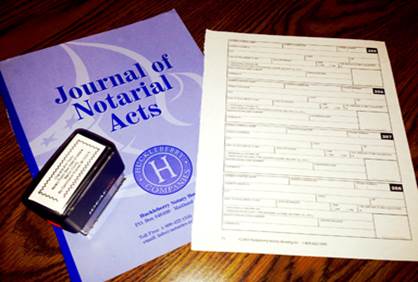
Many insurance agents are notaries or employ
individuals who are notaries. If a claim arises because such an insured notary
authorizes or certifies a signature without actually observing or seeing the
signature being placed on the document, there is no coverage.
|
Example: Joanie is a notary public and an employee
of Mainville Insurance Agency. Molly is a Mainville client. She needs to send
paperwork to the claims adjuster but Reed, her husband, is out of town on
business. Molly had Fred sign the paperwork and brought it to Joanie to
notarize. Molly signed the paperwork in front of Joanie but Joanie attested
to both signatures. Mainville submitted the claim, the insurance company
issued the check, and Molly placed the funds into their joint account just
before she removed all the funds in the account and left town. Fred was quite
surprised and sued Joanie for attesting to his signature. There is no
coverage for Joanie’s action. |
|
20. Other Position or Capacity
The only covered wrongful acts are those
related to the named insured or its predecessor organization. Claims that result
from any insured providing professional services within another organization
are excluded. This exclusion applies if the insured is part of the other
organization by choice or was directed by the named insured to serve within
that organization.
|
Example: Petula is an employee of Percy and Sons
Insurance Agency. Percy insists that she also serve on the local Fair Board.
She helps draw the insurance specifications but recuses herself from
selecting the winning bid. One of the pig barns burns down and the Fair Board
discovers that the barn was not on the schedule of covered buildings. The
Fair Board sues Petula for her wrongful act. Coverage for Petula does not
apply because of this exclusion. |
21. Personal and Advertising Injury
This policy covers wrongful acts or
professional liability. It does not cover personal and advertising injury. Commercial
General Liability Coverage Forms and Policies provide that coverage.
22. Pollution
Coverage does not apply to any claim that
arises out of the actual, alleged, or threatened discharge, dispersal, seepage,
migration, release, or escape of pollutants at any time.
Coverage also does
not apply to any loss, cost, or expense that arises out of the following:
- Any request,
demand, order, or statutory or regulatory requirement that any insured or
others test for, clean up, treat, respond to, or assess the effects of
pollutants in any way
- Any claim or
suit by or on behalf of a governmental authority because of testing for,
cleaning up, treating, responding to, or assessing the effects of
pollutants in any way
23. Prior Notice
This
policy’s coverage does not apply to any claim for which notice had been given
under a prior policy. This applies only if that prior policy provided the same
type of coverage that is available under this policy.
|
Example: Larry notified ABC Insurance Company that it failed to
purchase flood coverage that 15 different clients had requested. XYZ
Insurance Company provided Larry’s Insurance Agents and Brokers Professional
Liability coverage the following year and three clients presented claims
because they did not have the flood coverage they requested. XYZ traces these
claims to Larry’s notice to ABC the previous year and denies coverage in the
current year. |
24. Prior or Pending Litigation
The declarations has a space for entering a
date for Pending or Prior Litigation.
When a date is entered in that space there is no coverage for claims related to
any litigation that was pending prior to that date. Such claims are all that
arise from the same or similar circumstances or allegations. When the word “None”
is entered in that space this exclusion does not apply.
|
Example: The Pending or Prior Litigation Date is 09/01/16. A claim
is presented on 10/01/20. The claims investigation reveals that it is related
to a wrongful act that occurred 08/15/15 that is currently in litigation. The
claim is forwarded to the carrier who had the coverage on 08/15/15 to be
considered with all other pending litigation related to that wrongful act. |
25. Related Professional Services
This insurance
provides coverage for Insurance Agents and Brokers Professional Liability. This
exclusion removes coverage for any other types of professional exposures. As a
result, claims presented because of any of the following activities by an
insured are excluded:
- Accounting
- Actuarial
- Attorney
- Financial
consultant or planner
- Real
estate agent or broker
- Managed
care provider
- Health
care services provider
- Insurance
claims third-party administrator
- Public
claims adjusting services
26. Viaticals
Coverage
does not apply to claims that arise from the insured helping a person use his
or her life insurance policy as an investment product.
|
Example: Patricia has a life-threatening illness. She contacts
Mary and explains that she wants to buy life insurance and sell the
beneficiary rights to a third party in return for immediate payment now to
cover medical and other expenses. Mary arranges for the life insurance and
also arranges for five different individuals to be the beneficiaries to pay
the premium. Thanks to the money she received from this arrangement, Patricia
is cured and the beneficiaries do not receive the intended monetary benefits.
They sue Mary because she made the arrangements. There is no coverage for Mary
in this case. |
Note: Viaticals is selling one’s life
insurance beneficiary rights to another party for a price. It is legal but many
insurance companies consider it questionable. Many states have imposed regulations
that limit its use.
27. Violation of Any Securities Laws
There
is no coverage for any claim that is the result from an insured violating the
Securities Acts of 1933, the Securities Exchange Act of 1934, or any other
similar federal, state, or local regulations that relate to securities.
28. Warranty or Guaranty
There
is no coverage for claims that result from an insured providing a guaranty or
warranty concerning any type of performance or valuation intended to occur in
the future.
|
|
|
Example: We Protect You Insurance Agency guarantees that no
insured will ever be underinsured when a loss occurs. Leandra has a
significant fire loss. According to the insurance company she is underinsured
by 30% which results in a much lower payment than she anticipated. She sues
We Protect You for the difference in the settlement plus her costs to prove
the loss. There is no coverage for any guarantee although there might be
coverage for errors that were made. |

C. Supplementary Payments
The insurance company pays the following for
any claim it investigates or settles. The company also pays these expenses when
they are incurred to defend a suit for which it has a duty to defend.
None of these costs
reduce the limits available to pay for settlements, claims, and judgments. In
addition, none of them are subject to the deductible.
1. All costs the insurance company
incurs
2. If the insurance company pays a
judgment, it also pays the prejudgment interest charged against the insured.
However, if the insurance company offers the full limits to settle, it does not
pay any prejudgment interest that accrues after it makes the offer.
3. Interest that accrues on the full
amount (not just the amount within the available limits) of any judgment after
it is entered but before the insurance company pays, offers to pay, or deposits
with the court the part of the judgment that is its responsibility.
4. Up to $500 per day in lost earnings when
the insured must be away from work because the insurance company requests that
he or she appear for depositions, hearings, or for other reasons related to
defending a claim. The maximum payment is $10,000 per policy year, regardless
of the number of insureds.
5. A suit's court costs that are the insured's responsibility. Attorney fees or expenses that the insured is
taxed by the court are not covered.
SECTION II–COVERAGE EXTENSIONS
The coverages that this
section provides are within the limits of insurance. They are not in addition
to the limits of insurance. This means that any payment made under one of these
extensions reduces the amount of insurance available to pay other losses.
A. Spousal Liability
Occasionally a claim will
include the name of an insured and also the name of his or her spouse. When the
spouse is named only because he or she is an insured’s spouse or because of the
ownership interest of that spouse in property or assets that are being sought
in the claim, this policy will respond.
While the policy does not
specifically define the term “spouse,” it does state that a spouse can be a statutory,
common law or any other type of spouse as determined by the law of the country.
This Coverage Extension applies
only when the claim is presented due to the insured’s wrongful acts. It does
not cover any claim that arises due to the spouse’s wrongful acts.
|
Example: Peter is a producer for Argyle Insurance Agency. He and
his wife, Helen, are sued by their former neighbors. Scenario 1: The neighbors claim that Peter had agreed to handle
all payment issues with their insurance carrier and, because of his negligence,
their insurance lapsed and resulted in an uncovered loss. Helen is named in
the suit against her husband. As a result of this Coverage Extension, Helen
is covered. Scenario 2: The neighbors claim that Peter, as their insurance
agent, had agreed to handle all payment issues and that Helen, as their
accountant, was responsible for monitoring the insurance payments. The lapse
of coverage is due to actions of both Helen and Peter. This Coverage
Extension does not cover Helen because she is named because of her active role
as bookkeeper, not because she is Peter’s spouse. |
B. Protection of Innocent Insureds
Exclusions B. 5. and B. 13. exclude coverage for insureds who engage in
certain types of activities. This extension explains that those exclusions do not
reach out and exclude all insureds because of one insured’s excluded actions.
Innocent insureds remain covered but only if they meet this form’s definition
of innocent insured.
Insureds are considered innocent when they meet all of the following
conditions:
- They did not commit the act.
- They did not assist or participate in
the act.
- They did not agree that that the act was
acceptable.
- After finding out about actions excluded
in either or both exclusions B.5 and B. 13, they did not remain passive.
|
Example: Ralph’s nephew, Tom, is an accounting major.
Ralph hired him and entrusted him with monitoring accounts. Three months
later, Ralph begins to receive cancellation notices for customer accounts
that were not paid. He confronts Tom, who admits that he had not paid any
accounts since he joined the firm. Ralph immediately fires Tom and takes
actions to correct the problems. If any claims are brought, Tom is not
covered but Ralph is covered because he took immediate action when he discovered
the wrongful act. |
C. Teaching an Insurance Course
Teaching and attending insurance
courses are regular activities for many insurance agents. Information provided
at a course may be inaccurate and, when used, result in the student being
legally liable due to a wrongful act. This Coverage Extension provides up to
$10,000 when such a claim is made against an insured who taught the course. This
Coverage Extension is not subject to a deductible.
|
Example: Albert taught a crop hail course. He provided a written
timetable that explained how to submit claims. Unfortunately, the timetable
had factual errors due to poor proofing. One of his students used that
timetable in providing advice to his policyholders. As a result, one of his clients
missed an important date and he did not receive his full payment. The client
sued the student and the student then sued Albert. This coverage extension
pays up to $10,000 for the claim against Albert. |
SECTION III–WHO IS AN INSURED
There are six different types of entities or individuals that are
insureds under this policy.
The named insured is an insured. The named insured is the entity or
individual listed on the declarations. There can be multiple named insureds.
Any entity listed in the application as a predecessor organization is an
insured. The named insured must be the entity’s majority successor of interest with
respect to the predecessor organization’s financial assets and liabilities.
The following are insureds if the described relationship is with either the
named insured or with the predecessor organization. The insured status applies to
only professional services that they perform on behalf of either the named
insured or a predecessor organization:
- Past or present principals, officers,
directors, partners, shareholders, or members
- Past or present employees
- Independent contractors or salespersons
The following are insureds if an insured, as described above, dies,
becomes incapacitated, insolvent, or bankrupt. The coverage available to these
insured is the same as that which would have been available to that insured whom
they represent:
- Estates
- Heirs
- Trustees
- Administrators
- Legal representatives
SECTION IV–LIMITS OF INSURANCE
A. The most the insurance company pays are the Limits of Insurance on the
declarations, subject to other items in this section. This is regardless of the
number of insureds, claims made, suits brought, or number of parties that make
claims or bring suits.
B. The Each Claim Limit is the most paid due to all damages that are the
result of a single claim. This is subject to the Aggregate Limit.
C. The Aggregate Limit is the most paid for
damages because of all wrongful acts that this policy covers.
This section also clarifies how the limits of insurance apply. They
apply separately to each consecutive annual period and to any remaining period
of less than 12 months. The period begins with the policy period “From” date on
the declarations and ends on the policy period “To” date, unless extended after
issuance for any additional period of less than 12 months. If the dates are
extended the additional period is treated as part of the last preceding period
for the purpose of determining the limits of insurance.
|
Example: Deanna has limits of $1,000,000 per claim
and $2,000,000 aggregate. The policy period is 12/15/19 to 12/15/20. She
wants the policy period to be changed to 01/01/21 for the renewal. Scenario 1: The 12/15/19 to
12/15/20 policy is endorsed to extend it to 01/01/21. If a new claim is made
on 12/17/19, any limits that remain on the policy as of that date are
available. The renewal policy is issued 01/01/21 to 01/01/22 and its policy
limits are available to future claims. Scenario 2: The 12/15/19 to 12/15/20 policy is renewed from 12/15/20
to 12/15/21. It is cancelled on 01/01/21 and a new policy issued with an
effective date of 01/01/21. If a claim is made on 12/17/20, the full limits
of the policy effective 12/15/20 are available. If a claim is made on 01/15/21,
the full limits of that policy are available for the claim. |
||||
|
Claim amount/date |
Scenario 1: 12/15/2016 to 01/01/17 |
Scenario 2: 12/15/16 to 12/15/17 |
Scenario 2: 12/15/17 to 01/01/18 |
Scenarios 1 and 2: 01/01/18 to 01/01/19 |
|
$750,000 claim first
made on 03/15/19 |
Paid in full |
Paid in full |
N/A |
N/A |
|
$250,000 claims first
made on 06/15/19 |
Paid in full |
Paid in full |
N/A |
N/A |
|
$750,000 claim first
made on 09/15/19 |
Paid in full |
Paid in full |
N/A |
N/A |
|
$250,000 claim first
made on 12/01/19 |
Paid in full |
Paid in full |
N/A |
N/A |
|
$500,000 claim first
made on 12/17/19 |
Aggregate used up–no
payment |
N/A |
Paid in full |
N/A |
|
$500,000 claim first
made on 04/14/21 |
N/A |
N/A |
N/A |
Paid in full |
SECTION V–DEDUCTIBLE
This insurance company
does not pay anything until damages exceed the deductible on the declarations. It
then pays damages that exceed the deductible up to the limit of insurance on
the declarations.
The deductible applies on
a per wrongful act basis. All claims directly or indirectly related to the same
wrongful act are subject to the same deductible.
The insurance company has
the right to pay the full amount of the loss in order to reach a settlement and
then require that the named insured pay its deductible. The named insured is
expected to immediately reimburse the insurance company the deductible amount when
asked to do so.
|
Example: Ten different policyholders sue Charlie’s insurance
agency because of a wrongful act on the part of the agency that three different
employees carried out. The deductible is $50,000. While ten policyholders
filed claims and three employees were involved, there was only one wrongful
act and the $50,000 deductible applies only once. The insurance company
settles with the ten different policyholders for a total of $160,000. It then
contacts Charlie and asks that he pay the $50,000 deductible. |
SECTION VI–CONDITIONS
A. Bankruptcy
Bankruptcy or insolvency
of the insured or the insured’s estate does not relieve the insurance company
of its obligations that are a part of this policy.
B. Consent to Settle
The insurance company has
the right and duty to investigate and settle losses as it deems appropriate.
However, under this policy the insurance company stipulates that it will not
make a settlement until the named insured agrees to it and does so in writing.
Please note that the
consent to settle requirement applies only to the named insured. This means
that the insurance company is not required to obtain a written consent to
settle from any entity who is insured solely because of its relationship with
the named insured or processor organization.
|
Example: George is the top producer at Manderly Insurance Agency.
One of his clients sues him for a wrongful act that George swears never took
place. George is furious and believes that any settlement will destroy the
reputation he has built over the past 20 years. The insurance company recommends
accepting a $60,000 settlement agreed upon with the claimant. Manderly’s
owners agree that the settlement is in its best interest. George is furious
but does not have any say in the matter. |
The named insured may refuse to grant permission for a settlement. In that
case, the insurance company continues to handle the claim. However, if the
ultimate loss is more than the settlement amount the named insured rejected,
the named insured must pay all amounts that exceed the settlement amount.
|
Example: George convinces Manderly to refuse the $60,000
settlement so he can get his day in court. The day comes, the jury rejects
George’s version of the events, and awards the policyholder $100,000.
Manderly must pay the $40,000 that exceeds the amount in the settlement
offer. |
C. Duties In The Event of Claim
or a Wrongful Act That May Result in a Claim
The named insured (not the insured) has a
number of duties to perform when there is a wrongful act or when a claim is
presented.
1.
The named insured must take
the following actions when an insured receives a claim:
- Record the
details of the claim.
- Record the
date the claim was received.
- Write and notify
the insurance company within a reasonable period of time.
2.
The named insured must work
with the insureds involved with the claim and do the following:
- Immediately
send copies of demands, notices, summonses, and legal documents it
receives in conjunction with the claim to the insurance company.
- Provides the
necessary authorization so that the insurance company can gather needed records
and other information.
- Cooperate
with the insurance company as it investigates or settles the claim or
defends a suit.
- Only when the
insurance company requests, help it enforce any right against any person
or organization that may be liable to the insured for injury or damage
that this insurance covers.
Note: The named insured is not to act independently
but instead must wait on the insurance company.
3.
No
insured may voluntarily make any payments, assume any obligations, or incur any
expenses without the insurance company's consent. If it does, it does so at its
own cost or expense.
4. When the named insured learns of conduct that
could lead to a claim, it must notify the insurance company in writing. The
time frame is as soon as practicable. The reporting is required when the named
insured has a reasonable expectation that the claim could occur. The
notification must provide the following:
- A description
of the wrongful act or conduct. Dates must be included.
- Persons who
took part in the wrongful act. This means the insureds, the potential
claimants and any other relevant persons.
- An
explanation of why the named insured believes these acts could lead to a
claim
- The type of
damages that may arise from the wrongful act
- How the
insured discovered that a wrongful act had occurred
|
Example: Jill lives in
the Southwest Subdivision. The Hill Agency sends a general solicitation
letter to all who live in the Southwest Subdivision. Jill reads the letter
and is very surprised to find a major, unintentional error. She contacts
Jerry, the agency owner, to alert him to the error. Jerry is not pleased and
realizes that a claim could result from this and prior mailings. He writes a
letter to his insurance carrier, includes a copy of the solicitation letter,
and explains how his friend Jill realized there was a problem after she
received the letter. |
D. Subrogation
Any rights the insured has against others to
recover all or part of any payment the insurance company makes transfer to the
insurance company. The insured must preserve those rights and not do anything
after the loss occurs to impair them. The company can request that the insured
bring suit or transfer those rights to it and help it enforce them.
Note: An insured can give away its rights to recovery
prior to a loss but it cannot give away any of those rights following a loss. This
is a very important tool an insurance company will use in seeking reimbursement
following a loss so the insured will be required to prove that any such rights
were relinquished and when it did so.
E. Other Insurance
The insurance company's obligations to pay are limited if there is other
valid and collectible insurance that applies to the loss. If that other insurance
uses the same plan, terms, and conditions as this policy, any payment is made
proportionally with the other carrier. The share is determined by dividing the
amount of insurance under this policy by the limits available from all
carriers.
|
Example: Jerald’s Best Insurance has an effective
date of 01/01/20. Jerald forgot to non-renew his coverage with Company A. When
a loss occurred on 01/02/20, the new policy with Company B and the policy with
Company A that should have been non-renewed but was not so both are in
effect. Company A’s policy has a limit of $2,000,000. Company B’s policy has
a limit of $3,000,000. Company A pays 40% ($2,000,000/$5,000,000) of the loss
and Company B pays 60% ($3,000,000/$5,000,000) of the loss. |
When other insurance available for a wrongful act is not as described
above, this policy pays only amounts in excess of that other insurance. This
policy is excess even if the other insurance cannot be collected. The most paid
under this policy will not exceed the insurance limits on the declarations.
F. Assignment
This policy is for the named insured. Changes or modifications for parties
that have an interest in this policy can be made only with the insurance
company’s written consent.
G. Legal Action Against Us
No party has the
right to bring the insurance company into any suit involving an insured under
this policy. No party can sue the insurance company under this particular
policy unless all of its terms and conditions have been satisfied. After an
agreed settlement has been reached or a final judgment rendered against an insured,
a party may sue the insurance company for recovery. In such a case, the
insurance cannot be held liable for damages that are outside of the provided
policy coverage or for amounts in excess of the policy’s limit of insurance.
The term “agreed
settlement” is one that the insured, the insurance company, and the claimant or
its legal representative agree upon and then sign and agree to release
liability.
H. Representations
By accepting this policy as issued, the named insured agrees that the
statements on the declarations are complete and accurate and are that they are based
on its representations. It further agrees that the policy issued is based on
those representations.
Note: This is very important because this condition
allows the insurance company to use inaccurate statements in any application to
void coverage.
I. Separation of Insureds
Other than the Limits of Insurance and any rights and duties that apply
specifically to the named insured, the insurance provided applies to each
insured as though it were the only named insured. It also applies separately to
each insured against whom claim is made or suit is brought.
Note: This wording is different from that used in
the CGL. There is no reference to the “first” named insured but only to the named
insured. It also specifies that the insurance applies as if an insured is a
named insured.
J. Changes in Exposure
1. Acquisition or
Creation of Another Organization
If the named insured creates a new organization or if it
acquires another organization during the policy year, this policy’s coverage is
available but is limited to only those wrongful acts that occur following the
date the entity was created or acquired. Furthermore, coverage applies only if
the named insured does all of the following:
- Provides
written notice to the insurance company within 90 days of the creation or
acquisition
- Receives
written consent from the insurance company that it will extend the policy
- Pays
the additional premium the insurance company calculates
2. Acquisition of Named
Insured
If the named insured is merged into another organization
such that the named insured does not survive, coverage continues until the end
of the policy period but only for wrongful acts that occurred prior to the
merger. The annual premium for the policy is considered fully earned as of the
date of the merger and there is no return premium.
The policy requires that the named insured give the
insurance company written notice of this acquisition change as soon as practical.
The named insured is expected to provide answers to any relevant questions the
insurance company has regarding the acquisition.
3. Cessation of
Subsidiaries
If an organization that was a subsidiary of the named
insured ceases to be a subsidiary, coverage continues for that subsidiary until
the end of the policy period but only for wrongful acts that occurred prior to
the date of cessation.
K. Cancellation
This
condition explains how cancellations are handled. Many states require using a
mandatory state form in place of this cancellation condition but this is a good
starting place.
The
first named insured is the only party that can cancel and it does so on behalf
of all named insureds. The only thing it must do in order to cancel a policy is
to mail or deliver the policy to the insurance company before the cancellation
date.
The
insurance company can cancel by mailing or delivering written notice to the
first named insured. The notice must be either mailed or delivered at least ten
days prior to the cancellation date when the reason for cancellation is non-payment
of premium. The named insured must receive at least 60 days’ notice if the
cancellation is for any other reason. This notice must clearly state the date
of cancellation because it becomes the policy period's end date.
The
first named insured receives a return premium when the policy is cancelled. The
return premium must be pro rata of the policy premium when the insurance
company cancels. However, the return premium may be less than pro rata when the
first named insured requests cancellation.
Note: The short-rate penalty is not
mandatory but it is possible.
The
cancellation is in effect even if the named insured did not receive the return
premium.
Proof
that notice of cancellation was mailed is sufficient to effect cancellation.
Proof that the first named insured actually received the notice is not
required.
L. When We Do Not Renew
If the insurance
company decides to not renew, it mails or delivers written notice of the
non-renewal to the first named insured listed on the declarations at least 30
days before the expiration date. Proof that notice of cancellation was
mailed is sufficient to effect cancellation.
Note: State amendatory endorsements may supersede
this condition.
M. Changes
The policy that
the insurance company issues and the application attached to it represents the
agreement it makes with the named insured. If the first named insured requests
a change, the insurance company has the right to accept or reject the request.
An endorsement that amends, waives, or changes any part of the policy must be
attached to the policy.
N. Premiums
The first named
insured is the party that pays the premiums and receives all return premiums.
SECTION VII–EXTENDED REPORTING PERIODS
There are two extended reporting periods. One is automatic and the other
is optional.
The automatic extended reporting period is called the Basic Extended
Reporting Period. The reporting period begins at the end of the policy period and
lasts for only 60 days. No additional premium is required. It applies only if:
- Coverage is cancelled
or not renewed
- The insurance company
renews or replaces coverage with claims-made insurance but the retroactive
date is changed to a later date than the one on the declarations for this
policy.
- The insurance company
renews with coverage that does not apply on a claims-made basis.
The optional extended reporting period is called the Additional Extended
Reporting Period. The named insured has only 60 days following the end of the
policy period in which to purchase this reporting period. If purchased, the
reporting period begins at the Basic Extended Reporting Period and lasts for
one year. It is available only if:
- Coverage is cancelled
or not renewed
- The insurance company
renews or replaces coverage with claims-made insurance but the retroactive
date is changed to a later date than the one on the declarations for this
coverage.
- The insurance company
renews with coverage that does not apply on a claims-made basis.
Additional premium is required and an endorsement must be attached to
the policy. The insurance company calculates the additional premium according
to its rules and rates but it cannot be more than 200% of the annual premium
charged for this policy.
The named insured is responsible for requesting the Additional Extended
Reporting Period and it must be requested within 60 days of the policy period
end date. The request must be in writing and must be accompanied by the premium
and any other amounts of money the named insured may owe the insurance company,
such as deductible reimbursements. The premium is fully earned and neither
party can cancel the endorsement.
Note: The only coverage differences between these
two reporting periods are that the Basic Extended Reporting Period applies
automatically and expires at the end of 60 days while the Additional Extended
Reporting Period applies only if purchased, begins when the Basic Extended
Reporting Period ends and expires one year later. The periods do not overlap
because the Additional Extended Reporting Period, if purchased, begins after the
Basic Extended Reporting ends.
The following apply to whichever extended reporting period is in effect:
This extended reporting period does not:
- Apply to claims covered under any
subsequent insurance coverage that the named insured purchases. This
limitation applies even if that purchased coverage is no longer available
to the insured because the limit of insurance has been exhausted because
of claims payments.
- Increase or reinstate the Limits of
Insurance.
- Change the coverage the policy protects
- Change the policy period
The sole purpose of an extended reporting period is to extend the time
during which claims may be made. This means that only claims with the following
characteristics can be reported within the extended reporting period:
- The claim is initially made in the
extended reporting period.
- The wrongful act(s) that resulted in
the claim must have occurred after the retroactive date and prior to the
policy’s expiration date.
|
Example: Graceless Agency’s carrier declined to
renew its Insurance Agents & Brokers Professional Liability policy. The
policy period was 10/1/2019-10/1/2020 with a 10/1/2017 retroactive date.
Graceless Basic Extended Reporting Period is effective 10/1/2020 –11/30/2020.
Graceless purchased the Extended Reporting Period that is effective 11/30/2020-11/30/2021. Claims were presented as follows: |
||
|
Date wrongful act occurred |
Initial
Date claim is made |
Response |
|
9/15/2017 |
10/15/2020 |
Not covered because wrongful act was prior
to the retroactive date |
|
12/18/2018 |
8/1/2020 |
Covered because wrongful act occurred after retroactive date and claim
presented during policy period |
|
1/20/2018 |
9/15/2018 and 10/15/2020 |
Not covered because the initial claim was
made in the prior policy period. The second claim for the same wrongful act
uses the same claims made date as the initial claim and the policy effective
at that time must respond |
|
8/15/19 |
8/21/2021 |
Covered because wrongful act took place after the retroactive date and
the claim was presented during the purchased Additional Extended Period. |
|
10/2/2020 |
02/15/2021 |
Not covered because the wrongful act
happened after the policy period had expired. |
SECTION VIII–DEFINITIONS
Defined words are used throughout the policy. Restricting their meaning
to the definition in the policy gives all parties a clearer understanding of
the coverage intended. Twenty-three terms are defined.
A. Advertisement
This is a published or
broadcasted notice to the general public or specific market segments concerning
the named insured's goods, products, or services in order to attract customers
or supporters. Published notices include material placed on or in the Internet and other electronic forms of communication.
Websites are not considered an advertisement. However, notices on websites that
provide information about the named insured's goods, products, or services in
order to attract customers or supporters are.
B. Application
The application provided is part of this policy. It includes all
attachments, addendums, and any other material submitted to the insurance
company along with the signed application.
C. Bodily Injury
This is bodily injury, disability, sickness, or
disease a person sustains. Death that results from bodily injury, sickness, or
disease is considered bodily injury whenever the death occurs.
Mental injury, anguish, or tension; emotional pain or suffering, and shock
are all considered bodily injury regardless of how they occur.
D. Claim
A claim is any of the following:
- A demand for monetary damages. It must
be in writing.
- A complaint or pleading that is served if
it results in a civil proceeding
- The filing a notice of charges, an
investigative order, or similar documents that accuse the insured of a
wrongful act that results in an administrative or regulatory process. An
appeal following an initial ruling continues as claim.
E. Coverage Territory
The United States of America,
its territories and possessions, Puerto Rico, and Canada
Coverage territory is also other parts of the
world but only if the insured's responsibility to pay damages is determined in
a suit based on the merits in the territory described above or in a settlement agreed
to by the insurance company.
F. Discrimination
Federal, state, and local rules, regulations, and
statutes provide a list of physical characteristics that, if used in making a decision, is considered a violation of that
individual’s civil rights. Examples include gender, mental condition, religion,
marital status, race, and age.
G. Employee
The term employee is broadened
to include leased workers and temporary workers. It does not include
independent contractors.
H. Fungi
This is any type or form
of fungus as well as scents, spores, and by-products that fungi release. Mold,
mildew, and mycotoxins are all considered fungi.
I. Insured
Section III–Who is an Insured identifies the
parties that qualify as an insured. All insureds are treated equally and
separately except when applying the limits of insurance.
J. Interrelated wrongful act
This is any wrongful act that occurs or results
from the same circumstance or allegation and becomes the basis of a suit or a
claim.
Related Court Case: Term in
Agent's E&O Policy Found Ambiguous
|
Example: Harry sends all
of his producers to the same training seminar. They come back and provide the
same incorrect information to their clients. When claims begin to arrive at
the agency, all acts can be traced back to the same training seminar and all
are treated as a single interrelated wrongful act. |
K. Leased Worker
A person that a labor leasing firm leases to the named insured under a
written contract or agreement to perform duties related to conduct of the named
insured's business. Temporary workers are not considered leased workers.
L. Multiple Employer Welfare Arrangement
The Employee Retirement Income Security Act of 1974 uses and defines this
term. That same definition is the one that applies to this term when used in
this policy. The
actual definition is in ERISA Section 3(40), 29 U.S.C. §1002(40). Section
3(40)(A).
M. Named Insured
An individual or entity listed on the declarations. There can be more
than one entity and/or individual named on the declarations.
N. Personal and Advertising Injury
Any injury that arises
out of one or more of the following offenses:
1. False arrest, detention, or
imprisonment
2. Malicious prosecution
3. When an owner, landlord, or lessor
of a premises wrongfully evicts, enters, or invades the rights of a person who
occupies that premises. The owner, landlord, or lessor may actually commit the
wrongful act(s) or someone who acts on behalf of the owner, landlord, or lessor
may commit them.
4. Any oral or written publication of
material that slanders or libels a person or organization or disparages a
person's or organization's goods, products, or services. This can take place
using any form of communication, including the Internet and other electronic
forms.
5. Oral or written publication of
material that violates a person's right of privacy. The violation can take place
using any form of communication, including the Internet and other electronic
forms.
6. The named insured using another
party’s advertising idea in its advertisement
7. The named insured's advertisement
that infringes on another party’s copyright, trade dress, or slogan
O. Policy period
The policy period begins on the inception date on the declarations. It ends
on the expiration date on the declarations unless there is an earlier
termination or cancellation date.
P. Pollutants
Pollutants include irritants
and contaminants such as smoke, vapor, soot, fumes, acids, alkalis, chemicals,
and waste of a solid, liquid, gaseous, or thermal nature. Waste includes
property to be disposed of, as well as property to be recycled, reconditioned,
or reclaimed.
Q. Predecessor organization
Any organization named as
such on the application in which the named insured has the majority interest in
its assets and liability. It must engage in professional services as this
policy defines.
|
Example: Hector and Riles Insurance Agency is a partnership that
dissolves upon the death of Hector. Because of the partnership agreement,
Riles is able to purchase Hector’s part of the agency from Hector’s estate.
Riles reorganizes as a Limited Liability Corporation named Hector and Riles
Insurance Agency, LLC. Hector and Riles Insurance Agency is a predecessor
organization of Hector and Riles Insurance Agency, LLC. |
R. Professional services
The primary professional service is selling
and servicing insurance products. It includes selling variable annuities. The
selling and servicing must be performed by an insured that operates on behalf
of either the named insured or its predecessor organization.
Related Court Case: “Justifiable
Reliance" on Agent's Statements Held to Warrant Coverage
Claims adjusting, loss control, notary public,
and premium finance activities related to the insurance products are also
considered professional services, as long as they are on behalf of the named
insured or its predecessor organization.
Public adjusting services and third-party
administration claims services are NOT considered professional services.
S. Property Damage
Property damage is
physical injury to tangible property and all resulting loss of use of that
property. Loss of use of tangible property is property damage even if the
property is not physically injured. Loss of use is considered to have occurred
at the time of the injury or occurrence that caused it.
Occurrence within this
definition means an accident, including repeated exposure to essentially the
same harmful conditions.
T. Subsidiary
Any organization where the named insured or
combination of named insureds owns more than 50% of the securities or voting
rights.
|
Example: Next Generation Agency needs help. Evolving
Agency agrees to provide the necessary cash infusion and management help in
return for 51% of the company stock. Next Generation is now a subsidiary of
Evolving Agency. |
U. Suit
This is a civil proceeding that alleges damages because
of a covered wrongful act. Arbitration proceedings and any other types of alternative
dispute resolution proceedings to which the insured submits to with the
insurance company's consent are also considered suit.
V. Temporary Worker
Any person furnished to the named insured as a substitute for a permanent
employee. The employee the temporary employee substitutes for must be only
temporarily away from work. A person being furnished for seasonal or short-term
needs is also a temporary worker.
W. Wrongful Act
There are five requirements
for a wrongful act:
- The act
must be committed, or alleged to have been committed, by an insured.
- An act,
error, or omission must either have actually occurred or is alleged to have
occurred.
- The act,
error, or omission must arise from professional services.
- The professional
services could have been rendered or should have been rendered but were not.
- Damages
must result. They can be alleged or actual.
|
Example: Charlotte is an employed producer of Best Insurance
Agency. Her husband, Josh, is a stockbroker for Kenny and Sons. Scenario 1: Josh is
accused of providing inaccurate information about a Homeowners Policy. This
is not a wrongful act because, while Josh provided information, he is not an
insured. Scenario 2: Charlotte
is accused of providing inaccurate information about a Homeowners Policy. This
is not a wrongful act because Charlotte never met the person who made the
accusation. Scenario 3: Charlotte
is accused of providing inaccurate investment advice. This is not a wrongful
act because providing investment advice is not professional services defined
by this policy. Scenario 4: Charlotte
advices her customer to take a lower valuation than the insurance company
calculates so that her premium is lower. A loss occurs; the customer incurs a
coinsurance penalty and is not fully compensated for the loss. This could be
considered a wrongful act. Scenario 5: Charlotte
advices her client to wait to purchase flood insurance. The client does not
accept the advice, purchases the coverage, and is paid for her loss when the
flood occurs. This is not a wrongful act because there were no damages. |
389_C052
Related Court Case: Agency Did Not Breach Its
Contract to Procure Insurance For Its Client