PM 0002–AAIS PERSONAL PROPERTY
COVERAGES FORM ANALYSIS
(May
2023)
|
Menu Optional
Coverages and Premium Credits |
AGREEMENT
The
form’s opening advises that the policy is subject to all of its terms and will
provide the coverages described in the policy. Its protection is contingent on
receiving payment from the named insured.
These
coverages may be affected by various amendments (endorsements) and schedules
(detailed property descriptions and limits) that are made part of a policy. The
agreement also points out that there are a number of terms and references with
special meaning and they are explained in the policy’s Definitions section.
DEFINITIONS
The
definitions section appears immediately after the Agreement.
1. You and Your
The
person(s) who appears on the declarations as insured(s). The named insured’s
spouse is also defined as you, but ONLY if he or she lives in the named insured's
household.
2. We, Us, And Our
The
company providing the personal property coverage.
3. Declarations
This term refers to
any document that is related to the personal property policy and which may be
called Declarations, Supplemental Declarations, or Schedules.
4. Earth Movement
This term refers to various sources that create
vibrations or shifts in the earth’s surface including earthquakes,
volcanic-related activity (shock waves and tremors), land or mudslides,
mudflow, subsidence, erosion, and other movement (rising, sinking, expansion,
contractions, etc.)
5. Insured
The
person or persons named in the declarations (named insured) and that person’s
relatives who live in the household. In addition, there are a number of persons
who are insureds based on conditions and circumstances:
·
Relatives of the named insured and
relatives of the named insured’s residential spouse are insureds but only when they
live in the same household
·
Non-relatives of the named insured who
are under the age of 21, live in the household and are in the care of the named
insured or in the care of a relative of the named insured who also lives in the
household.
6. Domestic employee
A person employed or
leased under contract by an insured, to perform duties that are connected to
the use and care of the described location such as a butler, housekeeper or
gardener. Included are persons who perform duties of a similar nature elsewhere
for an insured, provided the duties do not include business related functions.
A person who is made
available to the insured as a temporary substitute or to meet seasonal or
short-term needs, is not a domestic employee.
|
Example:
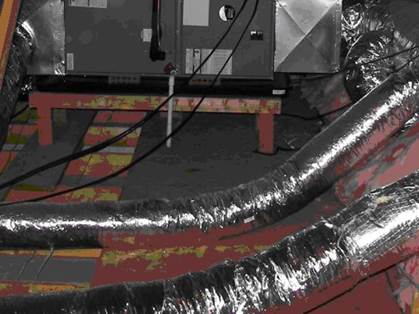
Amy wants to sort the huge amount of clothing and other property that’s been
stored in the attic for years. She hires Jenny to do the work for her. While
it will take Jenny several days to complete the job, she does not qualify as
a domestic employee. |
|
7. Limit
The policy merely
defines this as the amount of insurance.
8. Residence
The living space that
appears on this coverage form’s declarations.
9. Sinkhole Collapse
Refers to an area of
earth that supports covered property which suddenly falls in. The movement must
be the result of underground voids (caverns, spaces) created by water erosion.
The term does not apply to land value or hole fill-in expenses.
10. Terms
Refers to any written policy components including exclusions, conditions, defined words, etc.
11. Vermin
Refers to a wide
variety of creatures which, by their nature, damage property because of their
tendency to infiltrate structures as a source for food or housing. Policy
examples include raccoons, possums, skunks, snakes, bats and…. armadillos.
|
Example:
If your residence is filled with critters that look like what is pictured,
you’re suffering from a vermin infestation. |
|

Related Article:
Animal-Related Property Damage
12. Water Damage
This detailed term applies
to both flood and surface water. It also refers to waters, tides, water
overflows and any source of water spray. Such sources are still considered
water damage, regardless of the involvement of winds. It also refers to water
from underground that may put pressure on, seep or leak onto or into covered property
(including, buildings, walks, pools, appurtenant structures, driveways and
foundations).
PROPERTY COVERED
Personal Property
1. Coverage
The policy insures
against tangible loss to property that appears under the policy’s Described Classes
of Personal Property section. However, such property must be owned or used by
an insured. Further, coverage applies only to such property that is normally
located at the insured’s residence. Coverage continues to apply even when the
property is temporarily anywhere in the world.
|
Examples:
|
2. Coverage Limitation
The insurer is
obligated to respond to a loss involving qualifying property ONLY when a
coverage amount (limit) is specified and appears in the policy area reserved
for describing covered property.
3. Limits
Whatever limit
appears in the policy for a given class of unscheduled property acts as the
highest possible amount that may be paid for the loss or destruction of that
property in a single occurrence.
4. Described Classes of Personal Property
Here are the general
categories of personal property that qualify for protection under the personal
property form:
a. Audio and Video Equipment –
includes only televisions, projectors, screens, DVD players/recorders, VCRs,
audio systems (including speakers), CD players, audio tape players, vinyl
records and video game systems (hardware and software).
Note: Since this class merely refers to “audio
systems,” retro equipment such as vintage and modern record turntables should
qualify. However, there may be some question regarding other equipment, such as
public address (P.A.) systems, karaoke equipment and digital systems.
b. Bedding and Linens – includes
sheets, blankets, covers, quilts, pillows, throw pillows, mattresses, box
springs and similar property
c. Building Additions and Alterations
– refers to structural property and modifications that are made, purchased
and/or installed in a residential area by the named insured (including
installed on his or her behalf). The modification must affect either the living
area rented and occupied by the named insured or his or her owned condominium
unit.
|
Example:
George rents the largest unit in a four-unit apartment building. He lives in the
front area and rents out the rear portion of his unit. In order to define the
separate living spaces, George has two ceiling to floor, mahogany bookcase/room
dividers permanently installed in both areas. The divider that’s located in
the portion of the apartment he rents out to others would not qualify for
coverage under the personal property form. |
d. Cameras – this class
includes only cameras (conventional film, digital and motion picture),
camcorders, projectors, portable sound equipment, binoculars,
microscopes/telescopes (lenses used with cameras), digital photo printers, CDs,
DVDs, memory devices, video tapes, film and other related accessories
e.
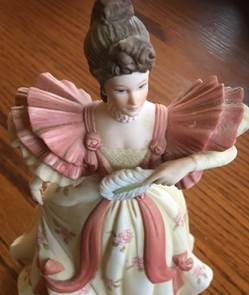
|
Example:
The item pictured would qualify under this category of property. |
|
f. Clothing – includes not only
apparel but also shoes, outerwear and other accessories
g. Computers – computers (desk
and laptops) as well as PDAs, monitors, projectors, printers, scanners, mice,
keyboards, internal and external memory devices, blank media and other equipment
Note: There may be some confusion over items
such as smartphones. However, most phone providers offer coverage/replacement
plans for such devices.
h. Draperies and rugs – as well as
similar property
i. Fine Arts –
paintings/pictures, etchings, art glass (including windows),
statues/sculptures, antiques, silver, rare books/manuscripts and similar
property
j. Furniture – regular household
furnishings. However, furniture with vintage or artistic features should be
covered under item i. fine arts above.
k. Major Appliances – refrigerators,
dryers, freezers, garbage disposals and more
l. Musical Instruments - all items
designed and normally used to create musical or rhythmic tones
m. Professional Personal Property
– any personal property such as books, equipment and instruments that is
related to income-generating activity, but only while it is located in the
defined insured’s residence.
|
Example: A
policyholder’s surveyor’s equipment that is issued and owned by her employer
but used by the policyholder. |
n. Silverware – besides
silver/silverplate ware, includes goldware, platinum ware (plated ware also
qualifies), pewter ware, if containing precious metals or alloys, flatware,
hollowware and trophies.
Related Article:
Silverware Insurance
o. Small Appliances – toasters and
food processors and other small appliances are included along with other
supplies that are used during cooking.
p. Sports Equipment – bowling
equipment, guns, fishing equipment and more.
q. All other personal property
– all personal property that isn’t elsewhere categorized.
ADDITIONAL PROPERTY COVERED
The following, additional property qualifies
for coverage under the personal property form but is subject to a sublimit. If
a limit for the coverage is entered on the declarations it supercedes the
referenced amount. Coverage applies to each of these for only direct physical
damage caused by a covered peril. Further, the additional coverage only takes
effect for such property that is owned/used by an insured.
1. Money, Precious Metals and Coins
This category consists
of money, cards (gift, store credit and smart), bullion, gold, silver and other
metals and numismatic property. Precious metal that is part of item n.
Silverware is not part of this additional property. This category is subject to
a per occurrence limit of $100.
2. Jewelry, Furs and Precious/Semi-precious Stones
This category consists
of jewelry, furs, watches, precious/semi-precious stones and gems. This
category is subject to a per occurrence limit of $500.
3. Securities, Stamps, and Valuable Papers
This category consists
of securities, notes, accounts, deeds, bills, debt-related documents, letters
or credit, postal stamps, passports, tickets, manuscripts, personal records and
similar papers that are considered valuable property. This category is subject
to a per occurrence limit of $500. Regarding the limit, it applies in the same
manner, regardless whether the information exists on paper or on software. When
the latter is involved, the modest limit applies to the expense of
replacing/restoring lost data.
PROPERTY NOT COVERED
Some categories of property are ineligible for
coverage under the Personal Property form.
1. Aircraft,
Watercraft and Trailers
All such property is
excluded from coverage, including campers.
2. Animals
No creatures,
including aviary and marine life, are eligible for coverage.
3. Business Property
Refers to items that
are owned by or leased to the named insured when those items are used for
business purpose. Such property is ineligible for coverage regardless whether
it is connected to a full-time, part-time or infrequent activity. This
exclusion refers to the exception it makes for professional property while
located in the residence.
4. Contraband
Illegal (stolen or
illegally held) property is ineligible for coverage. There’s no valid insurable
interest in either stolen property or in property that, even if actually owned
by an insured, is held in violation of the law (such as smuggled property).
5. Parts,
Accessories, and Furnishings of Vehicles, Aircraft, Watercraft, and Trailers
It may have been
simpler to just mention this under the item 9. Vehicles below but this item exclusion
has a distinct exception that does not appear elsewhere. Coverage is provided for
such parts, accessories and furnishings when detached from a given vehicle,
craft or trailer and is located at the applicable insured’s residence.
6. Property More
Specifically Insured
Personal property,
regardless the category, that has separate, dedicated coverage, is ineligible
for protection under this form.
Note: Refer to “Insurance Under More Than One
Policy” that appears below in the Valuation provision to learn how instances of
duplicate coverage are handled.
|
Example: Felippa
Coinville reports to her personal property form insurer that her stamp
collection was destroyed in a fire. While investigating the loss, that
company discovers that she belongs to a national stamp collector’s club and,
as part of her membership, she receives protection according to the
description and amounts she registered with them. The personal property form
insurer tells Fellippa that the loss is denied under its policy due to the
separate insurance. |
7. Property Not at the
Residence
Personal property
does not qualify for coverage when it is, primarily, located away from the
insured’s regular residence.
8. Property of
Specified Persons or Organizations
Property that belongs
to or is generally used by other entities is disqualified from coverage when
such entities are listed in the personal property declaration’s “Property of
Specified Persons or Organizations - Not Covered” section.
9. Vehicles
While the policy
grants an exception for motorized devices used to assist elderly or physically
impaired persons, the personal property form excludes all other such property.
However, for the exception to apply, a vehicle cannot be a type that, by any
law, is required to be registered for operation on public roads.
Related Article:
ISO '18 Ed. Personal Auto Policy Coverage Form Analysis
COVERAGE EXTENSIONS
This form provides some modest, additional
amounts of protection to address certain loss situations. However, these limits
are the maximum available for the described situations and can’t be used to
supplement coverage found in either a base form or a form that has been
modified by an optional endorsement.
1. Building Damage from
Theft
a. This extension applies to tangible loss
to the named insured’s residence that is caused by an attempt to break in and
burglarize the premises. The extension also applies to acts of vandalism.
b. A maximum of $2,500 is available under
this extension.
2. Newly Acquired
Property
a. This extension applies to tangible loss
to eligible personal property the named insured obtains during the policy
period.
b. The coverage only applies when that
newly acquired property matches the category of property that is already
described on the policy and which has an insurance limit assigned.
c. The maximum coverage is either $2,500
or 10% of the policy’s total unscheduled personal property limit. However, this
coverage does not increase the total amount available; it only makes a small
amount of coverage available for new, unreported property.
|
Example:
Pete and Lacy Collektibul have a personal property form with a total,
unscheduled coverage amount of $32,000. During the policy period, they buy
more property, resulting in owning unscheduled personal property worth
$36,000. Later, they lose everything during a fire. While the Collektibuls
could choose to apply up to $2,500 to replace the new property, that still
will not affect their total, possible coverage of $32,000. |
3. Newly Acquired Primary
Residence
a. This extension applies to tangible loss
to eligible personal property located at a residence that is obtained during
the policy period. The new residence has to also be a primary residence.
b. The coverage only applies when that
newly acquired property matches the category of property that is already
described on the policy and which has an insurance limit assigned.
c. This extension is available only for a
maximum of 30 days after the new, primary residence is acquired. However, the
30-day period is pre-empted by either the date the acquisition is reported or
by the policy’s expiration.
d. The original policy limit remains
unchanged even as it becomes applicable to a newly acquired property.
4. Property of Others
a. This extension applies to tangible loss
to eligible personal property that belongs to either a named insured’s guest or
domestic employee. The coverage only applies to property that is lost or damaged
while located at the named insured’s covered residence.
b. The property must be of the same type that is
protected by the insured’s personal property form and such coverage is applied
only when it is requested by a named insured.
c. The policy’s unscheduled personal property limit for
the class of property is the maximum available for protecting guest/domestic
employee property.
OPTIONAL COVERAGES AND PREMIUM CREDITS
The Personal Property Form includes the following features that apply only IF the items are selected in the form’s declarations page:
1. Additional Living Expense Coverage
This option applies to instances when either the insured residence or a building housing such a residence is unavailable because of a type of loss that qualifies for coverage under the personal property form.
a. The coverage pays for the added costs to facilitate the insured household’s regular living standard.
b. The coverage is limited. It applies only for the time it takes to either find adequate, substitute living arrangements, or the residence can be occupied again after its repair/replacement. However, the coverage period is NOT subject to the policy expiration date.
c. The limit that appears in the declarations for the Additional Living Expense coverage is the maximum amount payable for a given loss.
2. Secondary Residence
a. When this option appears, coverage is provided for tangible loss
to unscheduled personal property. Coverage applies to eligible property that is
owned by an insured, but which is normally located at a secondary residence.
|
Example: An insured’s
wardrobe of clothing located in a summer cabin. |
b. Coverage only exists when the secondary residence is shown in the declarations and when the eligible class of property is also shown with a given limit of assigned coverage.
c. The limit that appears in the policy is the maximum amount of protection available for a given, covered incident.
3. Alarm or Sprinkler System Credit
a. For this credit to apply, naturally, an alarm or sprinkler system must be installed, and the insured must agree to properly maintain the system. Further, the system’s description must also appear on the declarations.
b. Per the premium credit agreement, an insured has to keep the insurance company informed of any system changes, failures or removal.
|
Example: An insured receives
a discount on her personal property form policy. Later, the sprinkler systems
become nonfunctional: Scenario
1: She reports to her agent that the sprinkler system is not functional. The
agent shares the information with her insurer, and she is billed for the
amount of the former credit. Scenario
2: She does not inform the agent. A loss occurs and the insurance company discovers
that the sprinkler system had not been functioning for a while. The insurance
company denies the loss because the named insured did not maintain the system
as required. |
PERILS COVERED
The personal property form obligates an insurer
to pay for any tangible cause of loss to any covered property EXCEPT for any
source that is specifically listed as being ineligible.
PERILS EXCLUDED
1. The personal property form does not
respond to losses that involve a variety of sources. The policy wording
attempts to make it clear that any instance of loss or destruction where an
excluded cause of loss exists renders that situation ineligible for coverage.
Where the excluded event occurs within a series of events and whether the excluded
item occurs over a large area (i.e., catastrophic) has no effect, the exclusion
still applies. The sources of loss that are ineligible for coverage include the
following:
a. Civil Authority
If civil authorities
confiscate, destroy, quarantine or seize property that is covered under the personal
property form, there is no coverage. However, if the civil authority destroys
property as a way to create a fire stop, the loss is covered, provided the fire
would have been covered by the policy.
b. Earth Movement
The policy excludes
losses due to earth movement no matter how the earth movement is caused –
animal, human or act of nature. If fire or explosion occurs because of earth
movement, there is coverage for the damage caused by that fire or explosion. Theft
losses are also not limited by this exclusion.
|
Examples:
|
c. Intentional Acts
The policy does not
cover intentional acts of any insured that acts alone or in collusion with
another that results in a loss. The exclusion extends to losses resulting from
intentional acts committed by persons acting on the directions of any insured.
Note: Not only must the act be deliberate,
but also the intent must be to cause a loss. Further, when one insured
intentionally damages property that is owned or co-owned by another insured,
all insureds are barred from collecting payment of that loss. Under this
exclusion, even innocent insureds lose their protection.
d. Nuclear Hazard
If nuclear reaction, radiation or radioactive contamination causes a
loss, such loss is not covered. It makes no difference how the nuclear
reaction, radiation or radioactive contamination is caused and whether it
occurs under controlled or uncontrolled circumstances.
Any loss that is a consequence of the above is also not covered. Fire, explosion
and smoke often are part of a nuclear incident, but even if these perils are
covered under the policy, when they occur as part of a nuclear reaction,
radiation or radioactive contamination loss, they are not covered.
There is one exception. If there is a direct loss by fire that is a
result of the nuclear reaction, radiation or radioactive contamination, it is
covered.
e. War and Military Action
War is an absolute exclusion, including undeclared wars and civil wars.
Warlike action taken by a military force is not covered even if the action is
one of defense by a governmental authority and not offense. There is also no coverage
if a loss is caused by internal domestic disputes such as insurrection,
rebellion, revolution, and usurped power including the action the government
takes to curtail the event. The discharging of a nuclear weapon, intentional or
accidental, is defined as a warlike action.
f. Water Damage
There is no coverage for water damage as
defined in the definitions section. The exclusion applies regardless of any
interaction between water and weather condition, humans or animals. An
exception is made for direct loss to covered property caused by a subsequent
fire or explosion.
Loss caused by theft is also covered.
|
Example:
The Natcherlies’
apartment is on the third floor of an apartment building inundated by a
flood. There is no damage to the Natcherlies’ apartment but while families
are being kept from the premises, looters arrive and steal items from their
apartment. This loss is covered. |
2. There is not coverage when loss or damage
is caused by the following. These exclusions are not subject to the anti-concurrent
cause wording that appears in exclusion 1.
a. Acts or Decisions
There is no coverage for loss caused by actions or decisions made by
governmental or other groups that affect covered property. However, coverage
does apply when an act or decision creates a covered source of loss that, in
turn, damages covered property.
b. Birds, Vermin, Rodents, Insects or Animals
Loss and destruction created by, well, critters and bugs are ineligible
for coverage. Damage caused by animals that are owned or in the custody of an
insured is also excluded.
|
Example: Jane’s new home entertainment system is
insured under a personal property form. When Jane returns from a long day at
work, she discovers that her dog, upset at being left alone so long, has
clawed and chewed up every component. This loss is not eligible for coverage. |
|

c. Breakage
Broken eyeglasses, statues, glassware, marble, porcelains and similarly
fragile items are excluded except when breakage is due to fire, lightning,
windstorm, explosion, collapse, transport vehicle collision/overturn,
vandalism, riots, or theft (including attempted theft).
d. Electrical Currents
Damage due to
electrical arcs (violent electrical current activity) is not eligible for
coverage unless it is related to lightning. But coverage is provided if it
results in loss by either fire or explosion.
Related Court
Case: "Electrical Arcing" Held Not to Be "Fire"
And Loss Therefore Not Covered
e. Marring or Scratching
Neither marred nor scratched property is eligible for recovery from such
damage.
|
Example: Jessy is playing tennis when she leaps to
return a ball. As she lands, she falls and slides on the court, severely
scratching her watch crystal. She turns in a claim but is told that the
damage is ineligible for coverage. |
f. Neglect
Insurance policies are contracts that obligate an insurance company to
help a customer whose property is damaged or destroyed under described
conditions. Insurance contracts are meant to respond to accidental loss so,
inherent in the agreement, is the assumption that the insured will act to
preserve or protect their property. In case an insured doesn’t act in this
manner, the insurer is relieved of any obligation to pay for any damages caused
by the insured’s failure. Of course, an insured is not required to go through
heroic efforts to save property.
g. Repairing or Processing Work
Such handling of exposures is under an insured’s control, so are not
deemed as accidental exposures. This exclusion does not apply to jewelry,
watches and furs.
h. Temperature/Humidity
The policy has no obligation to respond to
loss to property created by exposure to changes in temperature or air moisture
content. An exception does exist for certain losses; those involving burst
pipes, hail, rain, sleet, or snow.
|
Example: Ida turned in a claim due to severe damage to
her collection of paintings. Her insurer turns her down because the cracking
was caused by low humidity in the home she rented. |
|

i. Wear and Tear, Deterioration or Inherent Vice
There is no coverage for loss caused, essentially, by the passage of
time and handling/use of covered property, including wear and tear,
deterioration (form refers to gradual deterioration, so a loss involving rapid
deterioration may be excepted), inherent vice, or other property deficiencies.
WHAT MUST BE DONE IN CASE OF LOSS
1. Notice
When a loss occurs, the insured is obligated to do all of the following:
- Promptly notify the insurance company or
the insurance company’s agent
Note: The company providing coverage has a right to ask
that the notification be in writing.
- IF the act that causes the loss is a crime,
the insured must promptly notify the police, and
- The notification must describe the property
affected by the given loss
The above actions serve important functions. First, they permit the
company to begin the loss investigation process, including any action to
protect its rights. Second, quick notification to the police may increase the chance
for property recovery and third, the reporting duty also minimizes fraud on the
part of an insured.
Related Court Case: Failure to File Timely Proof of Loss
Precludes Coverage
2. You Must Protect Property
A named insured is required to extend a good faith effort to protect
covered property at and after an insured loss to avoid additional loss. The
company agrees to reimburse the insured’s REASONABLE costs incurred for necessary
repairs or emergency measures performed solely to protect covered property from
further damage. However, the preservation effort must involve covered property
that is endangered by a covered peril or a covered peril that has already
caused damaged. The named insured must keep an accurate record of such costs.
However, the insurer will not pay for such repairs or emergency measures
performed on undamaged property. This provision does not increase the insurer’s
policy limit.
|
Example:
|
3. Proof of Loss
If the insurance company requests it, the named insured is required to
provide the insurer with a signed, sworn proof of loss. The proof of loss must
be submitted within 90 days from the date of the insurer’s request and it must
show the following information:
- The time, place, and the details of the
loss
- The (insurable) interest of the insured and the (insurable) interest
of all others, such as mortgagees and lien holders, in the property. If a
party cannot demonstrate an insurable interest in the damaged property,
the insurer is not obligated to make payment to an insured.
- Other policies that may cover the loss,
since other policies may have to also provide coverage for an eligible
loss
- Changes in title
- Detailed repair estimates and an inventory of
lost items (other, similar information may also be requested by the
insurer)
4. Examination
All insureds must agree to be questioned by the insurer with regards to
a claim and the questioning can include answering questions under oath. This
duty helps to protect a company against attempts to file false claims. On the
positive side, it may also assist in getting the most details concerning a
valid loss.
Note: While an insurance company has the right to make requests concerning
gathering insured statements, seeing the damaged property and securing related
records, the emphasis is on the insurer making reasonable demands. The request
must be for the purpose of moving along their claims investigation and a formal
decision on accepting or denying the claim.
5. Records
The named insured must show records, including tax returns and bank
records of all canceled checks that relate to the value, loss, and costs, and
permit copies to be made of them as often as the insurance company reasonably
requests.
6. Damaged Property
The named insured must display the damaged property and allow the
insurer to take samples of damaged property for inspection, testing, and analysis.
Such requests can be made at the insurer’s discretion and the number of
requests should be kept reasonable. Of course, what is considered reasonable is
subjective.
7. Volunteer Payments
A named insured must not make payments, pay or offer rewards, or assume
obligations or other costs, except at the insured's own cost. This stipulation
does not apply to costs that are allowed by this policy. The policy allows an
insured some leeway to make payments in order to respond to emergencies or to
help mitigate problems.
8. Abandonment
Property can not be abandoned to the insurer without the insurer’s
permission. Of course, if the insurer agrees to accept the damaged property,
the act is NOT abandonment.
Note: Agreeing to accept property relinquished by an
insured must be in writing.
9. Cooperation
The named insured must cooperate with the insurer in performing all acts
required by this policy. The policy requires that the named insured work with,
rather than against, the insurer in order to investigate and process a possible
claim. Of course, sometimes it takes judicial input to determine what is meant
by cooperation.
Related Court Case: Cooperation Clause Held to Allow Presence of
Insureds' Witness at Deposition
VALUATION
1. Actual Cash Value
Property losses are adjusted on an actual cash value basis. That means
that a current value determination includes consideration of depreciation,
reducing any loss payment.
2. Loss to a Pair or Set
Under this provision, any property that is part of a pair or set that is
lost or damaged is settled by either replacing the item or repairing the item.
The insurer also has the option to pay an amount that reflects the difference
between the pair or set’s pre-loss and post-loss value.
3. Loss to Parts
When a loss affects covered property that consists of components, the
insurer is obligated to pay the value of only the damaged or destroyed part.
The insurer also has the option of repairing or replacing the damaged part. In this
instance, no consideration must be made of the pre- and post-loss value of the
completed property.
HOW MUCH WE PAY
In this portion of the policy, the company’s obligation to provide insurance protection to the insured is described, including explanations of limits, deductibles, and loss settlement terms.
1. Insurable Interest
The insurance company’s obligation to pay for an eligible loss is
constrained by the total insurable interest held by the named insured,
regardless what may appear as limits or the property’s applicable value.
2. Deductible
This provision explains that any loss paid is net of any deductible
selected and appearing for any given class of property that is protected by the
personal property form.
3. Loss Settlement Terms
This provision explains that the applicable insurance company has the
option to pay according to the property’s valuation (determined at the time of
loss), what it takes to repair an item, what is needed to replace the property
(substituting property that is comparable in value and quality), the policy’s
applicable insurance limit or according to the cost to replace the property
with the best substitute practically available. Further, the insurer has the
right to use whichever option is the cheapest, though this term is subject to
the policy’s other “How Much We Pay” provisions.
4. Insurance under More Than
One Coverage
If more than one coverage of this policy applies to a loss, no more than
the actual loss itself will be paid. This condition assures that a person is not
allowed to benefit from the fact that coverage under the policy exists from
more than one area.
5. Insurance under More Than
One Policy
Depending upon the source of coverage that is available (in addition to
this policy), the policy responds proportionally. This means that the limit
available under this insurance is divided by the total limits available from
all policies to the cover this loss. The amount of the loss is then multiplied
by that percentage to determine the amount paid by this coverage.
6. Coverage under a Service
Plan
The policy’s available coverage is directly affected when a service plan
or similar agreement (such as warranty plans and product protection plans)
applies to an occurrence. In such instances, the policy responds on an excess basis
and is subject to any applicable insurance limit.
LOSS PAYMENT
1. Loss Payment Options
This
section may cause insureds confusion since it could be interpreted as treading
the same ground as the earlier, “How Much We Pay” section’s “Loss Settlement Terms”
provision.
a. Our Options
When a loss occurs, this provision states than an insurer may choose the
most cost effective of the following:
·
Pay the
lost, damaged property’s immediate, pre-loss value
·
Pay to
repair the damaged property to its immediate pre-loss condition
·
Pay the
cost to replace the lose/damaged property with substitutes that are comparable
in quality and nature
·
Pay based
on any value previously establish via agreement or appraisal (whether the
situation involves partial or total loss).
b. Notice of Our Intent to Repair,
or Replace
When an insurer decides to either repair or replace covered property,
it must let the insured know of its intent. The notification has to take place
within 30 days after the insurer receives a valid proof of loss.
2. Adjustment and Payment of
Loss
This provision addresses settlement according to the ownership of the
lost/damaged property:
a. Your Property
If no other insurable interest (including a loss payee) exists and if no
third party exists (that is also responsible for payment), then any payment
will be settled between the insurance company and the insured.
b. Property of Others
When the policy pays for damage to or loss of property that belongs to a
third party, the insurer has the option of making payment either to the named insured
(who is then responsible for getting payment to the applicable party) or
directly to the property owner. This provision also states that such payments
will not be duplicated. Only one party will be paid for a given, eligible loss.
Finally, the provision states that the insurance company has the option to
handle the expense of defending an insured against lawsuits that a third-party property
owner might file.
Note: The property of
other sections may cause confusion since the form:
·
Doesn’t
appear to have a section regarding liability coverage
·
Has a separate
provision that states it only makes payments according to an insured’s valid
ownership (insurable) interest
3. Conditions for Payment of Loss
Here the
form states that an insured is due payment for a loss no later than 60 days
after the amount of a given loss is determined. The determination may result
from a written agreement between the insurance company and the insured, the
final filing (entry) of a judicial award or after an appraisal award has been
filed with the insurer.
Related
Court Case: Loss Settlement Delayed by Insurer (Classic)
CONDITIONS
In this portion of the policy, the policy’s general
provisions are described.
1. Appraisal
If the insurer and
the named insured do not agree over the value of the covered property or the
amount of the loss, each party has 20 days (after receiving a written request
from the other party) to select an appraiser. The two appraisers will select an
umpire.
If, within 15 days,
they do not agree on an umpire, the two appraisers may ask a judge of a court
of record of the state where the described location is located to make the
selection. If the two appraisers agree in writing, that sets the amount of the
loss. However, if they do not agree, the differences are submitted to the
umpire and then the written agreement of any two of the parties sets the amount
of loss. Each party will pay its appraiser and the two parties will share the
cast of the umpire and related expenses equally.
Notes:
- An
appraisal is about the amount of an eligible loss not whether or not
coverage applies.
- No
wording in this provision indicates that the results are binding on either
the insurer or the insured.
Related Court Case: Insurer Making Late Appraisal Request Required to Pay Insured’s Attorney’s Fees
2. Assignment
No insured or other party can sign this policy and its coverages over for use by any other party unless, first, getting the insurance company’s permission (in writing).
3. Benefit
to Others
This policy is not intended to provide protection for the direct or indirect benefit to parties who are paid to assume custody of the covered property. In other words, such persons or organizations should secure their own insurance instead of piggybacking onto an insured’s coverage.
4. Change,
Modification, or Waiver of Policy Terms
Only the insurance company has the option of waiving or changing this policy’s terms and such waiver or change must be in writing. If the insurer initiates either an appraisal or any examination under oath, the requests do not affect any other policy terms, so an insured may not consider other policy provisions to be waived or rendered moot.
5. Conformity
with Statute
Terms in conflict with the
laws of the state in which the premises shown on the declarations is located,
are changed to conform to such laws. This provision is rarely relied upon since
amendments or endorsements are added to policies to match the state where the
policy is used. However, there are instances where the condition is relied
upon.
6. Death
If the named insured or the
named insured’s in-resident spouse dies, the legal representative of the person
who died becomes an insured in respect to the deceased insured’s premises and
property but only for the coverage provided by the policy at the time of that
person’s death.
Recognizing that the status
of the residents in the household change in the policy once the named insured
or spouse dies, the definition of insured is changed for the time of transition
following the death. Specifically, the definition is expanded to include
members of the deceased person’s household who were members at the time of
death but only while residing at the described premises. In addition, if a
person is granted temporary custody of the covered property belonging to the
deceased, that person is an insured but only for that property and only until a
legal representative is appointed.
7. Inspections
The insurer reserves
the right to inspect the property it insures, and it can do so with its own personnel
or it can have another organization inspect on its behalf. The condition also
warns the named insured that, while an inspection and related information about
the results of the inspection may imply a type of warranty or guarantee about
the fitness of the insured location, that is not an assumption that should be
made.
What purpose does
this serve? This is a warning and a notice to an insured that a company
inspection cannot be used as evidence of the worthiness of the property. A
company has its own underwriting rules and philosophy for providing coverage
and will not permit its actions to be used to the benefit of other parties.
This also prevents the company from being held liable to other areas of
authority concerning the property.
Related Court Case:
Safety Inspections for Underwriting Purposes Held Not to Create
Liability for Insurer
8. Liberalization
Sometimes a program undergoes revisions that
affect coverage for all policies, yet there may not be any additional premiums involved.
If such a change occurs during a policy period or if it occurs no later than 60
days of the current term’s effective date, the applicable policy automatically
changes to reflect those revisions.
Note: No changes take effect when overall program changes
are implemented via a program edition change or via a separate endorsement.
9. Loss
Payable Clause
If the form includes
a loss payee with an insurable interest in any covered contents, that loss
payee (appearing in the declarations) is granted status as an insured. However,
any coverage is only to the extent of the amount and nature of their interest
in any personal property that is protected by this policy. A copy of any
termination notice or non-renewal
sent to the insured will also be sent to the applicable loss payee.
10. Misrepresentation,
Concealment, or Fraud
Any intentional
concealment or misrepresentation on the part of any insured can void the policy
for ALL insureds. If an insured lies or hides a material fact or any
circumstance that relates to the insurance that is granted by this policy, that
act or omission may eliminate the insurer’s obligation to provide coverage for
any insured. This may occur either before or after any loss (depending when an
act or concealment is discovered).
Simply put, the
company should be able to rely on the statements made by the insured in making
its decision to insure a person or property. If the statements are seriously in
error, the insurance contract has no right to exist and the company has no
obligation to honor it.
11. Policy
Period
The policy period sets the time frame in which a loss must occur in order for it to be covered under the policy. In other words, a loss must take place within a stated policy period in order to qualify for coverage during that given period.
12. Recoveries
There are instances when
the insurer pays for a loss and then, later, the property is recovered.
Similarly, after the insurer’s payment, damage payments are received from those
responsible for the loss. When this happens, the named insured and the insurer
are obligated to inform each other. The costs of the recovery efforts are paid
first. (The policy isn’t clear as to who is paying the cost – does the cost
comes out of recovery prior to the dispersal or does the party who secured the
recovery pay the cost?)
The named insured can
decide to keep the property or give it to the insurer. If the recovery is not
wanted, then nothing changes but if the named insured wants the property, claim
payments received from the insurer, or some lesser agreed upon amount, must be
returned to the insurer. If the named insurer did not receive a complete
payment for the claim, due to a deductible or a coverage limitation, the
recovery is prorated based on the interest of each party in the loss.
What is important
about recoveries is that they are resolved in a manner that is fair to the
insurer and the insured. One party should not significantly benefit from the
recovery of property or money if it comes at the expense of the other party.
13. Restoration
of Limits
This provision states that partial losses have no affect on the total
insurance limit available for subsequent, eligible losses.
14. Subrogation
When an insurer pays damages, it may ask the insured to transfer his or
her right to attempt to recover damages from another party. The insured must
agree, in writing, to do so and to fully cooperate with the insured in pursuing
the recovery. This act of seeking payment from a party responsible for a loss
is called subrogation. This right is very valuable to an insurer. In fact, if
an insured damages this right to recover payment after a loss has occurred, the
insurer may no longer be obligated to pay for the loss.
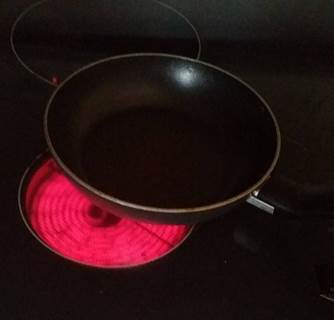
|
Example: Tranh loses all of the clothing in his cabin after a fire. It turns
out that his friend, whom he brought along on vacation, left something in a
pan on the cabin’s stove when he went hiking. It caught fire and it spread
throughout the cabin. Tranh’s insurer pays for his loss and, a few months
later, informs Tranh that it is suing his friend to recover payment. |
|
The insured may waive all rights to recover before a loss occurs—but
this waiver must be in writing. Signing this waiver BEFORE a loss does not
affect coverage under the policy.
Subrogation problems do arise. Many insurers aggressively assert and
protect their rights to subrogate against other parties. In some instances,
insurers are taking legal action against their clients who harm this right.
Related Court Case: Property Owner's Waiver of Subrogation
Barred Action
15. Suits
against Us
While, during a serious dispute, an insured has a right to sue the
insurer to resolve the situation, that right may only be sought AFTER complying
with the personal article form’s terms. Also, any lawsuit has to be filed
within two years of the date the insured first becomes aware of the applicable
loss.
Note: The policy provision makes an important
exception. It permits an insured to file a lawsuit according to the time period
allowed by applicable state law.
Related Court Case: Parties Dispute Statute of Limitations