AAIS SPECIAL FORM MOBILE-HOMEOWNERS ANALYSIS
(May 2022)
The special form mobile-homeowners policy that applies to mobile-homes is created by modifying the HO 0003 form with endorsement MH 7800, Mobile-homeowners Endorsement. It begins with a table of contents.
This analysis follows the HO 0003 and adds in the wording from the MH 7800 as appropriate. This approach allows the reader to view the Mobile Home coverage as a complete product rather than as one form with an endorsement attached.
AGREEMENT
The policy's opening language states that the policy is subject to all of its terms and will provide property, liability and other insurance coverages that are described in the policy. These coverages are provided for a specific policy period. In return for this protection the named insured must pay a premium as required. Principal coverages apply only if a premium is shown for them on the declarations.
DEFINITIONS
The definitions section appears immediately after the Agreement.
1. You and Your
The person(s) who appear on the declarations as insured(s). The named insured’s spouse is also defined as you, but only if he or she lives in the insured's household.
2. We, Us, and Our
The company providing the homeowner's coverage.
3. Actual Cash Value
The amount it takes to repair or replace property which includes an adjustment for depreciation in the applicable property's value. However, no consideration is made for the reasons that a given property has experienced depreciation.
Related Court Case: Depreciation Held Warranted When Damage Is Not Repaired
4. Aircraft
This term is used only in the Liability section and refers to property made or used for flying. If a model aircraft and model hovercraft is not designed or used to carry people or cargo, it is not considered aircraft. Also, a hovercraft is not considered aircraft.
Note: This section should now, also apply to drones (unmanned air vehicles).
5. Bodily injury
Actual or physical harm to a person. Harm includes sickness, disease, or death. Any required care and loss of services also qualifies as bodily injury. Unless a person first experiences physical injury there is no coverage for either injury or death that is related to emotional, mental stress or similar situations.
|
Example: A ten-year-old
boy and his father are visiting an insured’s mobile-home which is
extravagantly decorated for the upcoming Halloween holiday. The boy opens a
closet in a recreation room, looking for toys he knows are usually stored
there. As the door opens, a spring-loaded, zombie mannequin bursts out. The
child screams for minutes and is later treated for trauma. The son’s father
files suit for reimbursement for the expensive treatment. This does not
qualify as bodily injury. |
|

6. Business
A trade, profession or occupation including farming (even when performed only on an occasional basis). This term includes renting property to others. Renting out part of the covered location does not qualify as a business if it is only done occasionally when the purpose is residential AND the rented space is usually occupied by members of the covered household.
If an insured receives money for an activity, it is considered a business. There are exceptions though. If an insured is caring for a relative, it is not a business even if money is exchanged. When an insured cares for a person, other than a relative, and receives an exchange of like services, it is not a business, such as when neighbors exchange taking care of each other’s’ young children on different days so they can get chores and errands done.
Note: The definition
refers to compensation rather than monetary payment. That is a very important
distinction.
Volunteer activities are also not a business even if the insured receives reimbursement for expenses. However, if compensation is provided, the activity no longer qualifies as an exception and it is treated as a business. Other activities the insured may engage in are not considered business as long as in the 12 months prior to the policy inception the total compensation for the particular activity did not exceed $2,500.
|
Example: Thieves broke into Jeremy’s home and part of his claim included several hundred dollars’ worth of tools he used to maintain his car and motorcycle. His insurer at first denied that part of his claim due to seeing evidence that he does maintenance and vehicle repairs on the side. The insurer reversed its position when Jeremy produced documentation that he has never received more than $1,700 annually in this modest sideline activity. |
|
7. Declarations
This term refers to any document that is related to the homeowner policy and which may be called Declarations, Supplemental Declarations, or Schedules.
8. Described Location
A mobile home that is used by the named insured for residential purposes provided it is described in the policy (schedule/declarations) and the land where the home sits is either owned or leased by the named insured. The term also refers to related structures (such as garages, sheds, etc.) and grounds, but only when they are located on land owned by the named insured. When such land is leased, other structures are considered part of the described location only when occupied or used by members of the covered household.
Note: This term is found under Mobile-Homeowners Endorsement MH 7800. It replaces the term found under HO 0003.
9. Domestic employee
A person employed or leased under contract by an insured to perform duties that are connected to the use and care of the described location such as a butler, housekeeper or gardener. Included are persons who perform duties of a similar nature elsewhere for an insured provided the duties do not include business related functions.
A person who is furnished to the insured as a temporary substitute or to meet seasonal or short-term needs is not a domestic employee.
|
Example: Fanny
has gotten older and she just isn’t up to taking care of her household chores
as well as she used to. For the last 6 months, she has paid a neighbor, Bella,
to come every Thursday to do various chores such as laundry, cleaning and
waxing floors, dusting and, occasionally cooking. During the time that Bella
performs such tasks, she qualifies as Fanny’s domestic employee. |
|
10. Employee
Refers to a party who is employed in the business of an insured. The term includes a person who is hired via a labor leasing arrangement. The duties of such persons must involve an insured’s business and not the residential or personal activities performed by a domestic employee.
11. Fungi
Any fungus, including but not limited to mildew and mold, as well as any substances released or created by such matter qualifies as fungi.
12. Hovercraft
This term is used only in the Liability section and refers to machines (including property called flarecraft) that are capable of traveling over ground or water via the use of a compressed air cushion.
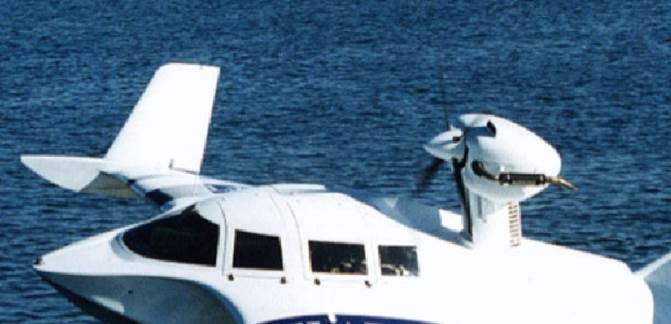
The term does not apply to motor vehicles, aircraft, or watercraft. It also does not refer to models of hovercrafts, aircraft or watercraft that are neither designed nor used for moving people or property.
13. Insured
Insured is the person or persons named in the declarations (named insured) and that person’s relatives who live in the household. In addition, there are a number of persons who are insureds based on conditions and circumstances:
· Relatives of the named insured who are under the age of 25, enrolled in school fulltime, are still financially dependent on the named insured and lived in the household prior to moving out to attend school
· Non-relatives of the named insured under the age of 21 who live in the household and are in that person’s care or in the care of a relative of a person who also lives in the household. These non-relatives are also covered while away from the household attending school fulltime provided, they continue to be under the care of the named insured or a relative resident and had lived in the household prior to moving out to attend school.
|
Example: Melissa’s mobile-home is insured by Acme Fire & Casualty’s mobile-home policy. Melissa’s daughter, Apple, is 23 years old and lives with her. Melissa also takes care of Jeremy, who is 20 and a senior attending college in a neighboring state. Both Apple and Jeremy qualify as insureds. |
|

The definition of Insured is further expanded but only for the Liability section of the policy:
· The named insured’s real estate manager but only within the scope of his or her duties that relate to the described location
· Other parties also qualify as insureds, but on a more limited basis. If a loss situation involves certain, qualified incidents such as an eligible craft or vehicle (such as a golf cart) animal (usually a pet), etc., coverage may extend to persons who, with the insured’s knowledge/permission, have some related responsibility for the loss. Therefore, the policy may grant insured status for such parties to the extent that they are liable for injury or harm involving insured property.
· Persons using or caring for vehicles, watercraft, or animals owned by an insured
The vicarious liability protection that the special form mobile-homeowners policy grants to entities that are in possession of an insured’s crafts, vehicles or animals only applies in instances where the use or possession involves an insured’s permission.
|
|
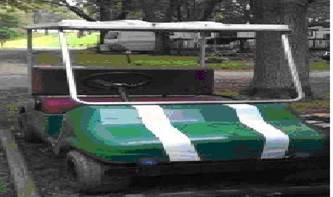
Example: Glenn’s mobile home is on a 3.5-acre lot. Glenn is an avid gardener and he owns a golf cart that he uses to tend to the lot’s many landscaped areas. Jim, the 15-year-old son of Glenn’s neighbor, notices that the golf cart was left outside. Jim jumps into the cart and takes it for a ride. He tries to stop, but he ends up striking a mail carrier in Glenn’s driveway. Jim would not be considered an insured. |
Note: Under this definition, any reference to insured includes one or more eligible persons.
14. Insured premises
The described location (as defined above) is an insured premises. In addition, any premises that is listed on the declarations as an insured premises and is used by the named insured, as a residence, is an insured premises.
If a premises is acquired during the policy and is used by the named insured as a residence, it is also an insured premises. Finally, if there are premises that are used by the named insured in connection with any of the above-described insured premises, they are also insured premises.
Related Court Case: Fire to A Dwelling Not Used for The Insured's Primary Residence Held Not Covered
The next grouping of insured premises applies to insureds, not just the named insured.
Cemetery and burial plots of an insured, without regard to location, are insured premises. An insured’s temporary residence that is within a structure not owned by an insured and premises rented occasionally, for non-business reasons, to an insured are insured premises. Finally, vacant land owned or rented to an insured, including land being developed to be an insured’s residence, is an insured residence. However, vacant land and farmland are not the same. Farmland is not an insured premises.
Note: Premises
used by any insured for activity generally considered to be a business does not
qualify as an insured premises.
15.
Limit
The policy merely defines this as the amount of insurance.
16. Motorized vehicle
Land or amphibious vehicles that are self-propelled are defined as motorized vehicles. Exceptions are hovercrafts, (actual or model) and watercraft (actual or model). In addition, any trailer or semitrailer attached to or carried on a vehicle described earlier is also a motorized vehicle even if it becomes detached.
17. Occurrence
There are three specific requirements for an occurrence. First, there must be an accident. This means that the incident(s) cannot have been planned. There can be repeated accidents and still be the same occurrence. Second, bodily injury or property damage must result from the accident(s). Last, the bodily injury or property damage must happen during the policy period.
Related Court Case: Negligent Misrepresentation of House Condition Held Not Covered
18. Pollutant
Any solid, liquid, gaseous, thermal, or radioactive irritant or contaminant, including acids, alkalis, chemicals, fumes, smoke, soot, vapor, and waste. Also, electrical, magnetic or electromagnetic particles or fields–visible or invisible - plus sound. Waste includes materials to be recycled, reclaimed, reconditioned as well as disposed of.
Related Court Case: Candle Soot Excluded as Pollutant
19. Property damage
Physical injury or destruction of tangible property; or the loss of use of tangible property, whether or not it is physically damaged.
Related Court Case: Forged Artwork Is Not an Eligible Loss
20. Terms
Refers to any written policy components including exclusions, conditions, defined words, etc.
21. Vermin
Refers to a wide variety of creatures that tend to be ideal candidates as pests that damage property because of their tendency to infiltrate structures as a source for dining or housing. Policy examples include raccoons, possums, skunks, snakes, armadillos, bats, etc.
22. Watercraft
With regard to
the special form mobile-homeowners policy’s liability coverage, this term
refers to items that are designed for traveling over water, whether powered by
engines, motors, or wind. There’s no reference to manually powered, small craft
(such as canoes, rafts or rowboats). The term does not apply to motor
vehicles, aircraft, or hovercraft. The term also does not apply to models of hovercrafts,
aircraft or watercraft that are neither designed nor used for moving people or
property.
Related Court Case: Sailboards Held to
Be "Watercraft" To Which Theft Exclusion Applies
PROPERTY COVERAGES
PRINCIPAL PROPERTY COVERAGES
1. Coverage A—Residence
a. There is coverage for the mobile home that is situated on the described location. This coverage includes attached additions, including utility tanks.
1) Coverage A’s protection extends to appliances, cabinets, cupboards, dressers, floor coverings (including carpets) and other, similar items. However, in order to qualify, such items must be permanently installed in the mobile home.
Note: This latter requirement may cause some confusion regarding floor coverings.
2) Protection under Coverage A also applies to building materials
and supplies that are located on or next to the described premises. However,
building materials and supplies are only eligible for coverage when they are to
be used in the construction, alteration, or repair of the mobile home or a
structure on the described location that is related to the residence.
b. There is no coverage for land, including the land on which covered property is located, except for some limited coverage for liquid fuel remediation provided as Incidental Property Coverage. There is no coverage for underground or surface water. Coverage A also does not apply to damage to grave markers, mausoleums, trees, plants, shrubs, or lawns.
Important: Some limited coverage is available for such property under Incidental Property Coverages.
c. The limit that appears on the declarations for Coverage A represents the maximum amount of coverage that will be paid for a given, eligible loss.
2. Coverage B—Related Private Structures
a. There is coverage for related private structures on the described premises that are not attached to the residence protected under Coverage A. If structures are connected to the residence only by a fence, a utility line, or a similar connection, they are not considered attached.
Note: The distinction regarding how a structure is connected to a residence results in whether such property is protected under Coverage B or Coverage A.
b. There is coverage for fences, driveways, sidewalks, and other permanently installed outdoor fixtures.
c. There is no coverage for land, including the land on which covered property is located except for some limited coverage for liquid fuel remediation provided as Incidental Property Coverage. There is no coverage for underground or surface water. Coverage B also does not apply to damage to grave markers, mausoleums, trees, plants, shrubs, or lawns.
Important: Limited coverage is available for such property under Incidental Property Coverages.
There is no coverage for structures used for
business purposes. However, this limitation does not apply to structures used
in any of the following manners:
·
Rented to a tenant of the Coverage A residence and
not used for business
·
Used solely for private garage purposes
·
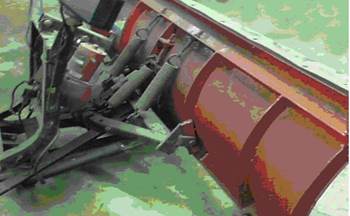
Used to store vehicle or equipment owned by either
the insured or a tenant and that equipment (as well as a maximum of five
gallons of fuel supply) are used for grounds maintenance such as mowing
equipment, snow plowing equipment, etc.
|
Example: Violet has a huge utility shed on her property.
It was installed by the mobile home’s previous owner. The president of her
neighborhood association makes a deal with her. Instead of Violet paying the
required dues, she permits them to store the association’s jointly owned snowplow
attachments, snow blowers and salt in the shed. Since the contents are
related to residence maintenance, the shed still qualifies for full coverage. |
|
·
Used to store business property that is owned by an
insured or tenant, as long as the property does not qualify as a motorized
vehicle
d. The limit that appears on the declarations for Coverage B represents the maximum amount of coverage that will be paid for a given, eligible loss.
3. Coverage C—Personal Property
a. The AAIS Special Form
·
Personal property that belongs to or property that,
while not owned by an insured, is in the insured’s possession.
|
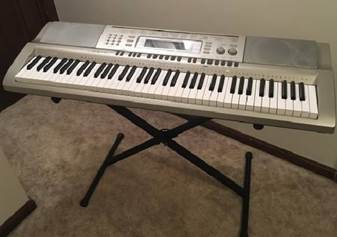
Example: Flora
decides to, finally, learn how to play a piano. A friend becomes her teacher,
providing her weekly lessons and also lets her keep a spare electronic
keyboard, stand and folding bench to use for practicing and during lessons.
This musical property would be eligible personal property under Flora’s
policy. |
|
·
(Optionally) personal property that belongs to
guests, domestic workers, or other persons, but only when the property is in
the same residence as an insured.
Clarification: Coverage for
damage to personal property owned by a domestic employee or a guest may be
covered at the option of the insured. Why is an insured given the option to allow
coverage? One situation that comes to mind is the availability of other
insurance and the seriousness of a given loss. If there were a very large loss,
the insured may wish to have all available coverage for his or her own
property. If there were no option, the loss to a guest or domestic employee
could be reimbursed and leave a shortfall in coverage for an insured. Of
course, the insured would likely consider whether the guest or employee had
their own coverage available before exercising this option.
b.
Limitation on Property at Residential Premises Other Than the Described
Location
Under Coverage C, a
maximum of 10% of the policy’s Coverage C limit subject to a minimum of
$1,000 is available for losses involving an insured’s property that is typically
located at a residence that is NOT described on the policy (therefore is not at
a described location).
Note: There are exceptions. This limitation
doesn’t apply to property that is being moved to a newly acquired, primary
residence. Neither does it apply to property that is moved to another location
(either another residence or into storage) because the described location is,
temporarily, unfit for use (usually due to repairs, renovation, etc.). The full
Coverage C limit applies for 30 days from the date the named insured begins to
move. After that, coverage for personal property in a newly acquired principal
place of residence is limited to 10% of the Coverage C limit (subject to a
$1,000 minimum).
Related Court Case: Off-Site Coverage Held Limited for Personal Property and Other
Structures
c. Limitations on Certain Property
Certain types of property are subject to sub-limits. The special limits that apply do not increase the Coverage C limit. The indicated limit is the total amount available per occurrence for loss involving all items in that class.
1) $250 limitation
· Money
· Bank notes
· Bullion
· Gold other than gold ware and gold-plated items
· Silver other than silverware and silver-plated items
· Platinum other than platinum ware and platinum-plated items
·
Stored value cards (including magnetic strip scrip
and gift cards)
· Numismatic property (coins, currency, medals and similar property)
|
Example: Jenny is
distraught after a holiday party she held at her home. While cleaning up the
day after the party (which most of her neighbors attended), she sees that a
locked cabinet was broken into and an heirloom set of silver coins were
stolen. The value of the stolen set
is nearly $3,000. Because of the limitation, Jenny is paid only $250. |
|

2) $1,500 limitation
· Securities
· Stamps
· Letters of credit
· Notes other than bank notes
· Personal records
· Tickets
· Accounts
· Deeds
· Evidence of debt
· Passports
· Manuscripts
Note: This special limit applies regardless of the medium on which these items exist and includes the cost of research or other expenses necessary to reproduce, replace, or restore the item.
3) $1,500 limitation
· Electronic devices
· Accessories including films, tapes, wires, discs, records, or other media for use with such devices
· Antennas
Note: This limitation on electronic devices and accessories applies
while the devices are in or on a motorized vehicle or watercraft but only if
they can operate from the vehicle or watercraft’s electrical system and also
from another source of power.
4) $1,500 limitation
· Electronic devices
· Accessories including films, tapes, wires, discs, records, or other media for use with such devices
· Antennas
Note: This limitation on electronic devices, accessories and antennas applies only if the items:
1. Are used away from the premises.
2. Are used mainly for business purposes; and
3. Are not in or on a motorized vehicle or watercraft if the devices can operate from the vehicle or watercraft’s electrical system and also from another source of power.
5) $1,500 limitation
This limitation applies to watercraft, including their trailers, furnishings, equipment, engines or motors and semi-trailers. This limitation does not apply to hovercraft. It also does not apply to model watercraft as long as the models are not designed to carry cargo or people.
6) $1,500 limitation
Trailers and semi-trailers not mentioned above are subject to this limitation.
Related Court Case: Camper Trailer Held Subject to Special Limit for Trailers
7) WHEN the loss is due to THEFT
· $2,500 for loss to:
o Jewelry
o Watches
o Precious and semiprecious stones
o Gems
o Furs
· $2,500 for loss to:
o Silverware
o Gold ware
o Pewter ware
o Items plated with gold or silver
· $2,500 for loss to guns (and related equipment)
|
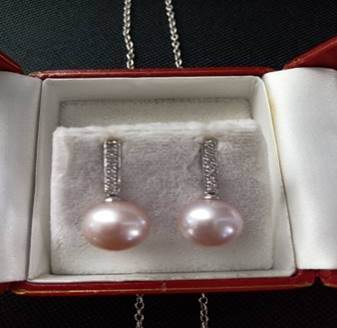
Example: A thief breaks into the Farlands’ mobile home and steals some personal property. The policy has a Coverage C insurance limit of $35,000. Their claim to their insurance company includes the following losses: |
||
|
Pearl necklace and earrings |
$3,200 |
|
|
Watches |
$1,100 |
|
|
Five pistols |
$3,800 |
|
|
Silver wedding cup |
$850 |
|
|
Total |
$8,950 |
|
|
The policy’s theft limitation applies to all of this property, so the total loss would not be recoverable. Jewelry and watches are both subject to the same limit, so only $2,500 of the $4,300 loss is covered. The pistols are subject to the gun limit, so only $2,500 is available for that portion of the loss. The wedding cup is also subject to a special limit, but since its value is less than the special limit, the total $850 is covered. The total recoverable amount, due to the applicable special limits, is $5,850. |
||
Related Articles:
8) Since the Special Form Mobile-Homeowners policy is designed to cover personal, rather than business losses, the policy restricts the amount of coverage available to protect business property to the following:
· $2,500 on property while on the insured premises
· $500 on property while away from the insured premises.
However, this special limit does not apply to items described in the electronic devices limitations.
Note: These special limits include the cost of research or other expenses necessary to reproduce, replace, or restore business data.
d. Personal Property Not Covered
There is no coverage in this policy for any of the following:
1) Property covered by separate (including scheduled) insurance
The bar to
coverage is not affected by the amount of any separate source of coverage. If
other coverage exists, that coverage supplants any obligation for property
coverage under the policy.
Therefore, if
the other source of coverage is inadequate to handle a given loss, the
exclusion STILL applies.
2) Animals, birds, fish, or insects
|
|
Example: Julie agrees to take care of her boss’s dog while her boss is on an extended business trip. The expensive, pedigree dog is among the various items stolen during a break-in at Julie’s mobile-home. The loss of the dog is not covered. |
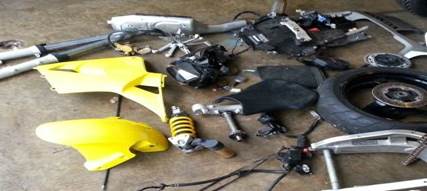
3) Motorized vehicles, including their parts, equipment, and accessories except for the items subject to the $1,500 limitation explained earlier. Electronic devices, accessories, or antennas that can be operated only from the electrical system of a motorized vehicle, including films, tapes, wires, discs, records, or other media for use with such devices while in or on a motorized vehicle are also barred from coverage.
|
Example: Bernie
is upset when he comes home from a weekend getaway and finds that a fire
destroyed his mobile home. He is even more upset when his insurer tells him
that the nearly $5,000 in motorcycle parts that were lost are not eligible
for coverage. |
|
Note: There is coverage for motorized vehicles that don’t require registration if they are designed and used to assist the handicapped (motorized wheelchair) or used only to service the insured premises or premises of another (riding lawn mower). These vehicles are covered unless used for business purposes.
4) Aircraft is not a defined term so it includes any type of device that is supposed to fly. Parts and equipment are also not covered even if not attached to the aircraft. There is coverage for model aircraft provided it is not designed or used to carry people or cargo.
Related Court Case: "Aircraft" Definition Held Not to Include a Parachute
5) Hovercraft (Note: The hovercraft defined in the Definitions section is limited to liability coverage only, so this is not a defined term in this section.) In this section, hovercraft refers to machines (including property called flarecraft) that are capable of traveling over the ground or water via the use of a compressed air cushion. Parts and equipment are also not covered, even if not attached to the hovercraft. There is coverage for model hovercraft provided it is not designed or used to carry people or cargo.
6) Property of roomers, boarders or tenants is not covered but the property of an insured’s relative who is considered a boarder or roomer is covered.
7) Property that an insured makes available for rent to other persons is not a class of covered property, but there are exceptions. If the property is in a space that is part of the described location occupied solely the named insured’s household that is only occasionally rented out and then only for residential purposes, there is coverage. If it is located in part of the described location that is occupied by the named insured’s household but also rented to one or two boarders, there is coverage. Finally, if the property is in an apartment at the described location that is rented out by an insured (doesn’t have to the named insured) there is coverage. However, any coverage for the rental property is subject to the Incidental Property Coverage.
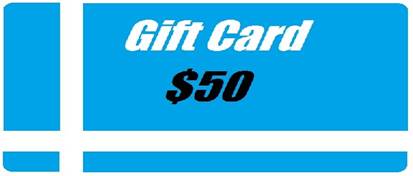
8) Loss involving credit cards, debit cards, and
fund transfer cards (such as ATM cards) except as provided under Incidental
Property Coverages
|
Example: Paula’s mobile
home was burglarized. While her insurer tells her that most of her loss is
covered, they will not pay for nearly $2,000 in gift cards. Kelly was the
volunteer coordinator for her church’s silent auction and the cards were kept
at her home for use in auction packages. |
|
9) Property such as grave markers and
mausoleums. However, modest coverage is available under Incidental Property
Coverage
10) Land, including the land on which covered
property is located except for some limited coverage for liquid fuel
remediation provided as Incidental Property Coverage
11) Underground or surface water
12) Trees, plants, shrubs, or lawns
Note: Limited
coverage is available under Incidental Property Coverage.
Except for
what is stated regarding special limits and exclusions, the Coverage C limit
that appears in the policy represents the maximum that will be available for a
given loss involving eligible property.
4. Coverage D—Additional Living Costs and Loss of Rent
a. The insurance
company is obligated to reimburse increased living costs that are paid by an
insured household to maintain its normal standard of living. This situation has
to be triggered by the described location becoming unlivable (or, in some
instances, inaccessible) because of a covered source of loss (such as fire,
windstorm, etc.). The increased costs will be paid for the time reasonably
required making the described location fit for use or until the household is
permanently relocated, whichever occurs earliest. This period of time is not
limited by the policy period.
There are many homeowners who rent out part
of their residence to others. The next feature of Coverage D, Loss of Rent, is
to help persons whose rental income is affected by a covered cause of loss.
b.
The insurance company will pay for the rent or for the fair rental value
that is lost when part of the described location, which generates rental
income, can’t be used because of a covered loss. Expenses that do not continue
(such as utilities) are deducted from the rental value in determining the loss
payment. As it is with Additional Living Costs, the lost rent will be paid for
the time reasonably required to make the rented part of the described location
fit for use. This period of time is not limited by the policy period.
c. The policy also
pays for increased living expenses and lost rental income for up to two weeks
if a civil authority prohibits access to the described location because it is
endangered by a loss to a neighboring premises. The damage to the neighboring
property must be caused by a source of loss that is covered by the Special Form
Mobile-Homeowners policy.
d. There is no
coverage under Part D if an insured loses rent because a lease or an agreement
has been canceled.
e. Also, the
insurance limit that is shown for Coverage D is the maximum amount that may be
recovered under all sections of this coverage.
INCIDENTAL PROPERTY COVERAGES
The Special Form Mobile-Homeowners policy includes a number of coverages that are in addition to the protection described under Coverages A, B, C and D. They are called incidental coverages since they do not involve major sources of loss as is the case with primary coverages. Further, the amount of insurance indicated for these incidental coverages is in addition to the limits of insurance shown for Coverages A, B, C and D.
1. Association Deductible
The policy provides up to $1,500 per
occurrence (unless increased on the declarations) for an insured’s share of a
deductible made by a residential association of homeowners, condominium owners,
or similar groups. Coverage applies only when all of the following apply:
·
The deductible is charged against the named insured
because of ownership or tenancy of the described location during the policy period.
·
The deductible results from direct loss to the property
that would be considered covered property under this policy, if owned by the
named insured; is covered property under the named insured’s association
insurance; and
·
The loss involves direct damage due to a peril
covered under this policy (earthquake and tremors before, during and after a
volcanic eruption are specifically NOT
covered)
|
Example: Larry belongs to an association of mobile homeowners. Three weeks ago, one of his neighbor’s mobile home was destroyed in a fire. Larry receives a notice for a $430 assessment because of fire damage that occurred to a jointly owned storage building that was next to the mobile home that burned down. Larry’s policy will reimburse Larry for the expense. |
Finally, the Policy Period condition does not
apply to this coverage.
2. Collapse
There is coverage for direct physical loss to
covered property involving the collapse of a building or a part of a building only
if caused by one or more of the following:
·
Any of the perils described under Coverage C (Under
this coverage, these perils apply to both covered buildings and personal
property.)
·
Hidden insect or vermin damage or hidden decay*
·
Weight of contents or people (also animals) *
·
Weight of rain pending on a roof*
·
Failure of defective materials/methods during a construction
or repair job*
Note:
Collapse damage caused by the items with an * above that involve the following property is not covered unless
the damage is the direct result of the collapse of a building. None of the
following property is categorized as building property even if they are
attached to a building:
|
Awnings |
Docks |
Foundations |
Retaining walls |
|
Bulkheads |
Drains |
Patios |
Swimming pools |
|
Cesspools, or septic tanks |
Fences |
Paved areas |
Underground pipes |
|
Decks |
Flues |
Piers |
Wharves |
In other words, the damage has to be due to a
building, affected by one of the asterisked items, collapsing on top of the
listed property.
Collapse must be due to any of following as
long as it is abrupt:
·
Caving in
·
Falling in
·
Falling down
·
Giving way
of the building (not the structures listed
above) or a part of the building. The building must become uninhabitable or
unusable because of the collapse. A building is not considered to have
collapsed in the following situations:
·
No collapse has occurred but the building (or even
part of the building) looks like it could collapse because it is showing signs
of collapsing such as bulging, leaning, settling and similar conditions.
·
The building or any part of the building is
considered in danger of collapsing
·
Part of the building that has broken or separated
away from a part of the building but has not yet collapsed.
Important:
Nothing stated above limits coverage under a
direct loss covered by a Coverage C peril. The Weight of Ice, Snow or Sleet
peril is expanded to include damage to buildings. Two exclusions do not apply
to the Collapse Coverage - Bacteria, Fungi, Wet Rot, Dry Rot, and Errors,
Omissions and Defects.
This coverage provides additional coverage
but not additional limits.
Related Article: Collapse
Related Court Case: "Collapse" Held Covered Only According to Its Popular Meaning
3. Credit Card; Electronic Fund Transfer Card or Access Device;
Forgery; and Counterfeit Money
a. This incidental coverage is triggered when any of the following apply to an insured:
· Is legally required to pay for the unauthorized use of credit or debit cards issued or registered in the name of an insured
· Has a loss due to the unauthorized use of an electronic fund transfer card or any electronic devices used for withdrawal, deposits or transfers
· Suffers a loss due to forged or altered checks, drafts, notes, or negotiable instruments
· Unintentionally accepts counterfeit United States or Canadian paper money.
b. The limit is $1,500 per occurrence unless a higher limit is shown on the declarations. An occurrence is not limited to a single event; it includes all acts perpetrated by a single person.
|
|
Example: Kerry and Jonah hate having to find new babysitters. The one that they hired a few weeks earlier was the worst. She made a mess of their home, left cigarette burns in a sofa and, apparently, made $650 worth of purchases after stealing one of Kerry’s charge cards. Their policy’s Credit Card; Electronic Fund Transfer Card or Access Device; Forgery; and Counterfeit Money coverage will handle the loss. |
c. When an insured is sued due to the unauthorized use of credit cards, electronic fund transfer cards or similar devices, this policy will pay the defense expense.
d. The insurance company will decide what investigations and settlements are necessary, without consulting with the insured. Once the insurance company pays the applicable limit, based on a settlement, it is no longer required to provide a defense.
The insurance company may or may not defend an insured or an insured’s bank if a suit is brought because of a refusal to honor a forged check, draft or negotiable instrument. If they decide to defend, the insurance company pays any expense associated with it and the insurance company also provides the counsel.
e. There are some exclusions under this coverage. No payment will be made in the following instances:
· An insured has not complied with the rules under which the credit or debit card was issued
· The unauthorized person is a resident of the named insured’s household
· The card or device is used with the consent of an insured
· The loss is caused by the dishonesty of an insured
· The loss results from the business of an insured
Note: Since these are not covered, neither are any related defense costs.
4. Debris Removal
a. There is coverage for the cost to remove the debris of covered property after a loss. The loss must be caused by a peril that applies to the damaged property. The coverage extends to handle the cost of removing volcanic ash, dust, or particulate matter that damages the covered property.
The most that the insurance company pays for the combination of debris removal and the physical loss of property is the limit applicable to the particular damaged property. If the limit is not sufficient to cover the debris removal, the insurance company will pay an additional 5% of the limit specifically for the debris removal.
This exclusion applies to all of the following:
·
Testing
·
Monitoring
·
Clean-up costs
·
Removal
·
Containment
·
Treatment
·
Detoxification
·
Neutralizing
·
Respond to (occurrence involving pollutants)
·
Assessment
b. Finally, there is limited coverage for the removal of fallen trees. Up to $500 per tree and $1,000 per occurrence is provided to remove trees from the described location under any of the following circumstances:
·
The tree has damaged covered property
·
The tree(s) obstructs access to a driveway on the
described location
·
The tree blocks a ramp used to make the described
location handicap accessible.
|
Example: Nathan sends in a copy of a $789 bill to his insurance company. It was for having a fallen tree removed from his front lawn. His insurer, after investigating the incident, denies payment. The tree fell onto his lawn, but did not cause damage to, nor affect access to his mobile home. |
|
c. However, this coverage extension is available only IF the named insured’s tree is felled by the perils of windstorm, hail or weight of ice, snow or sleet or a neighbor’s tree is felled by any of the perils covered under Coverage C of this policy.
Note: Weight of ice, snow or sleet peril is extended to mean the weight of ice, snow or sleet that causes a tree to fall.
5. Emergency Removal
There is coverage for direct physical loss to covered property for up to 30 days if the covered property is moved from a premises to protect it from a loss by a peril that is covered by the policy. However, this coverage does not extend past the policy’s expiration date.
Note: This coverage does not increase the limits shown for the property being removed. The property coverage exclusions do not apply to this coverage, except regarding intentional acts.
Note: Regarding the exclusion of intentional loss, the policy wording appears to be attempting to make the exclusion apply to all insureds when, during a given loss, any single insured’s deliberate act (or supervision/knowledge) contributed to that loss. It is debatable whether the wording would prevent an innocent insured from receiving policy benefits (insurance protection and/or legal defense).
Related Article: “Innocent Insureds”
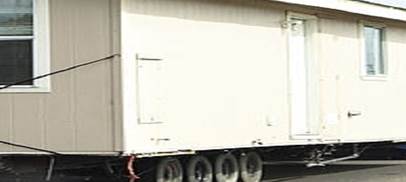
This provision also obligates the insurance company to provide up to a maximum of $500 to handle towing expense for moving an insured mobile home. However, the towing expense has to be related to moving (and returning) a home that is threatened by a source of loss that is covered under the policy.
|
Example: Hendrick requests his insurer to assist with the $900
bill he recently paid to move and later return his mobile home. It was moved
to escape the flooding that was caused by days of torrential rain. Hendrick’s
insurer congratulates him for protecting his home but informs him that
reimbursement doesn’t apply since the threat was due to flooding. |
|
Note: The maximum amount of protection may be higher if, optionally, a higher limit appears on the policy declarations under “Emergency Removal Towing Cost.”
6. Fire Department Service Charge
This incidental coverage provides a maximum of $500 per occurrence for paying charges under an agreement between the named insured and a fire department. The charges must be related to a fire department responding to the insured location that is endangered by a covered peril. As an option, an insured may purchase a higher limit for this expense.
Note: There is no coverage if the property is located within the response area of a governmental authority that provides fire department services.
7. Glass or Safety Glazing Material
Another incidental coverage is protection against breakage of glass or safety glazing material that is part of a structure (such as a window). There is also coverage for direct physical loss to covered property damaged by such glass or safety glazing material breakage.
The earth movement exclusion does not apply to this coverage.
There is no coverage for property
damaged by glass, except as described above. There is also no coverage on the
described location if the residence insured under Coverage A has been vacant
for more than 60 days in a row BEFORE A GIVEN LOSS. A residence being built is
not considered to be vacant.
This Incidental Coverage does not increase the limit of insurance but it is also not restricted to a sublimit.
8. Grave Markers
The insurer will pay up to $2,500 for direct physical loss to grave markers and mausoleums. To be eligible, the loss must be caused by a Coverage C peril. This includes weight of ice, snow and sleet damage to the mausoleum. The grave markers or mausoleums can be on the described location or off.
|
|
Example: Grace is upset when her insurance company tells her that it won’t assist in paying for the damage to her beloved grandmother’s headstone. Grace paid several hundred dollars to pay to repair severe breakage caused when the stone fell over. Her insurer explains that, according to a local report, widespread damage in the area surrounding the cemetery was due to earth movement caused by a construction company’s nearby demolition activity. |
9. Increased Cost—Ordinance or Law
Another incidental coverage protects against the increased cost caused by the enforcement of a code, ordinance, or law that regulates the use, construction, repair, or demolition of property following a covered loss. It also covers the cost to remove the debris that results when the law is enforced.
If the insured chooses to repair or replace the damaged Coverage A or Coverage B property, up to 10% of the Coverage A limit is available to cover increased costs that are solely due to the enforcement of the building code.
Naturally, there are some exceptions to the protection provided by this incidental coverage. It excludes any of the following:
· Loss in value of property caused by the enforcement of a code, ordinance, or law
· Loss, cost, or expense related to any legal requirement of an insured or others to test for, monitor, clean up, remove, contain, treat, detoxify, neutralize, or in any way respond to or assess the effects of pollutants
10.
Liquid Fuel Remediation
a. Under this
long, complicated provision, the form policy provides limited protection
applicable to damage experienced under Coverages A, B and C, as well as damage
to land for certain polluting events involving liquid fuel. However, coverage
for land applies only when it is contained on the described location that is
owned by a person who qualifies as an insured and only when underneath a
covered structure.
This coverage responds to both direct and indirect
damage caused by the escape of liquid fuel from a described location’s main
utility systems or domestic appliance’s fuel systems.
This provision pays for certain costs and
expenses to correct the damage when liquid fuel is released from a fuel system.
Release or escape of fuel also includes the following terms:
· Discharge
· Dispersal
· Emission
· Escape
· Leaching
· Leakage
· Migration
· Seepage
· Spillage
The coverage applies to a fuel pollution
event that occurs at the described location.
b. Besides
responding to the damage caused by escaped liquid fuel, the coverage also
applies to the following if incurred:
· The named insured’s expenses related to minimizing damage, such as preventing further spread of spilled/escaped fuel from the covered fuel system
· The named insured’s expenses related to preventing further spread of spilled/escaped fuel onto areas outside the covered fuel system
· The expense to clean escaped fuel from all eligible, contaminated property including costs of removing such property’s debris
· The expense of getting access to a damaged fuel system (i.e., tearing out walls, floors, excavation, etc.) including repairing covered property that was damaged to facilitate access
· Related additional living expenses (that are both necessary and reasonable) when the covered area used as a residence is unavailable for use
· The expense to monitor, test or otherwise evaluate the harm caused by escaped fuel, such costs are only eligible when a government authority requires such work be performed by the insured. Therefore, there is no coverage if an insured decides to do so voluntarily.
c. This form’s Policy
Period condition does not apply to fuel release incidents.
d. This policy’s
exclusion for released pollutants found under Coverages A and B does not apply
with regard to the extent of coverage provided by this incidental coverage.
e. No coverage
applies to any of the following:
· Damage to lawns and other greenery when such items qualify as business property
· Loss to land, or water (either underground or surface)
· Any diminished property value caused by a liquid fuel loss
· Loss involving lease or contractual arrangements for property sales
· Loss involving the cancellation of a lease or contract
· Loss of the escaped fuel
· Most expenses related to repairing or replacing a fuel system that permitted any fuel’s escape
f. To prevent
duplicate coverage sources, the limits and special terms that apply to the
following coverages are inapplicable to eligible incidents of escaped fuel:
· Incidental Property Coverage for Debris Removal
· Coverage D-Additional Living Costs and Loss of Rent
g. Unless the
named insured optionally purchases a higher limit, a maximum of $10,000 per
policy period (note, an aggregate limit) is available to respond to eligible
incidents. The stated limit is not affected by the number of claims, lawsuits,
locations, or releases that are first discovered and occur within the policy
period.
When a liquid fuel related loss occurs and it
damages items eligible for protection under the policy’s Incidental Property
Coverage for Trees, Plants, Shrubs or Lawns, the maximum coverage available for
such property is 5% of the policy’s Coverage A limit. This is subject to a
maximum of $500 for a single eligible item (tree, shrub or bush). The use of
this incidental coverage for fuel release events does not affect that
coverage’s limit. Furthermore, when such an event triggers coverage under
additional living expenses, that protection is constrained by consideration of
the reasonable amount of time it should take to make the insured premises
livable again or the time to relocate to other, permanent housing.
h.
The fact that an event that qualifies for coverage under this policy
Liquid Fuel Remediation occurs at the same time that another eligible hazard
causes direct damage to covered property does NOT affect any other available
policy coverage.
Related Court Case: Oil Seepage Damage Held Covered When Caused by Negligent Spill at
Neighboring House
11. Loss Assessment
a. In certain circumstances, there is coverage (up to $1,500 per occurrence) for the named insured’s share of an assessment made by a homeowners, condominium, or similar residential association.
Coverage applies only when all of the following apply:
· The assessment is made during the policy period
· It must result from direct loss to the property owned collectively by all association members
· It is caused by a peril covered by the policy (excluding earthquake or land shock waves or tremors before, during, or after a volcanic eruption, explosion, or effusion)
· It must be charged against the named insured as an owner or tenant of the described location
|
Example: Sydni
turns in a bill for $329 to her insurer. A tower antennae that was jointly
owned by the members of her mobile home park association was destroyed during
a windstorm. Her insurer denies repayment when it discovers that, rather than
an assessment, Sydni and several other property owners agreed to split the
cost of repairs after the association’s board voted to just remove the felled
antennae. |
b. There is no coverage for assessments charged against the association by any governmental body or authority or for assessments to cover the deductible on the association’s insurance policy.
c. It’s important to understand that $1,500 is the maximum amount available for a single, eligible loss that triggers an assessment, unless a higher limit is shown on the declarations.
d. The policy’s Policy Period Condition is inapplicable to loss assessments.
12. Property in Rental Units
This provision pays a maximum of $2,500 for various classes of property that an insured owns that is located in premises the insured rents out to other parties. The location of the rental has to be described on the policy and a loss qualifies only when it is caused by a hazard (peril) listed under the policy’s Coverage C – but not theft.
Typical covered property includes stoves, carpeting, refrigerators,
tables, couches and similar items. To fully understand this coverage, refer
back to Coverage C – Property Not Covered and review the section on rental
furnishings.
|
Example: Greg’s
company gave him a huge promotion, but it required relocation to another
state. He buys and insures a new mobile home near his new job. He placed his
old home for sale, but also rented that home out. Since his new home is much
smaller, he left a couple of roomfuls of furnishings in his rental. Those
contents are eligible for up to $2,500 under his current mobile home policy. |
13.
Reasonable Repairs
This incidental coverage (which
neither adds to the policy’s property limit nor affects the separate property
protection duties) reimburses expenses related to the prevention of additional
damage to property that has experienced a loss. The coverage applies only for
the type of loss and for the type of property that are eligible for protection
under the policy.
14. Refrigerated Property
Under certain circumstances, there is coverage (up to $500, unless a higher limit is shown in the declarations) for a direct loss to covered items that are in a freezer or refrigerated unit on the described location. The loss must be caused by one of the following:
· Disruption of electrical service from conditions out of the insured’s control (if caused by generating or transmission equipment)
· Mechanical breakdown of the refrigeration equipment
Note: The equipment must be working properly prior to the loss. Also, the power failure and the bacteria, fungi, wet rot or dry rot exclusions do not apply to this coverage.
|
Example: Darla
is beside herself. She had to throw away several hundred dollars worth of
meat and desserts for a large birthday party she was hosting at her home. The
previous night, while she slept, a lightning strike shorted out the utility
company transformer that serviced the homes in her area. The refrigerated
food she kept in a fridge and a freezer were ruined when the power was lost.
She feels better later when her insurance company honors her claim for most
of the loss. |
|

15. Trees, Plants, Shrubs, or Lawns
There is coverage for direct physical loss to trees, plants, shrubs, or lawns on the described location caused by any of the following:
· Fire or lightning, explosion, riot or civil commotion, or aircraft
· Vehicles not owned or operated by an occupant of the described location
· Vandalism or theft.
Note: Up to 5% of the Coverage A limit is available to cover trees, plants, shrubs, or lawns. No more than $500 will be paid for any one tree, plant, or shrub, including the cost to remove the debris of the covered item. There is NO coverage for trees, plants, shrubs, or lawns grown for business.
Related Court Case: Trees and Shrubbery Damaged by Hurricane Were Not Covered
PERILS INSURED AGAINST - COVERAGES A, B, C, AND D
This section discusses the perils eligible for protection under this policy’s property coverage sections:
1. Coverage A—Residence and Coverage B—Related Private Structures
Unless a source of loss is specifically barred under these two coverage parts’ exclusion sections, all described building property (and property related to it) is protected against damage, loss or destruction.
a. Exclusions Applying to Coverages A and B
1) Losses that are excluded under the Exclusions That Apply to Property Coverages Section
2) Freezing, Discharge, Leakage, or Overflow
Loss caused by freezing is excluded. In addition, any water damage from any plumbing, heating, air conditioning, or automatic fire protective sprinkling system; water heater; or domestic appliance resulting from such freezing is also excluded.
An exception is made for an insured that takes care to maintain heat in the building or shuts off the water supply and completely empties liquids from such system, heater, or appliance. Of course, freezing and any related damages are very unlikely to occur if either precaution is taken. If the insured has an automatic fire protective device, turning off the water is not encouraged, so an exception is made for coverage if the insured maintains heat and continues the water supply.
The exclusion and exception do not apply to damage involving sump pump systems or drains and gutter systems.
3) Freezing, Thawing, Pressure, or Weight of Ice or Water
There is no coverage for damage caused by freezing, thawing, pressure, or weight of ice or water - wind driven or not - to the following structures:
· Swimming pools, fences, patios, paved areas
· Bulkheads, footings, foundations, walls and similar items that support a building or structure
· Retaining walls or bulkheads that don’t support a building or structure
· Wharves, docks, or piers
This exclusion applies even if damage by the elements is assisted by force of wind.
4) Theft
This cause of loss is excluded, even damage caused by theft attempts, when it involves a dwelling under construction, or the loss of materials or supplies for use in construction of the dwelling. Coverage applies once the dwelling is occupied. According to policy wording, theft coverage exists when the dwelling is occupied for its intended use. However, this appears to be subject to interpretation. The inference is that coverage is provided when a dwelling is occupied as a residence, so the wording should be changed to be explicit.
Related Court Case: Conversion and Embezzlement Exclusion Held Not Applicable to Theft by Roommate – illustrates that, what is meant by theft, can be up for debate.
5) Vandalism or Malicious Mischief
There is no coverage for loss
caused by or resulting from (including deliberate acts related to the
commission of) vandalism or malicious mischief if the residence is vacant for
more than 60 days in a row just before the loss. A residence being built is not
considered to be vacant.
6) Water, Humidity, Moisture, or Vapor
There is no coverage for loss caused by repeated or continuous seepage or leakage of water or from humidity, moisture or vapor that occurs over a period of time – weeks, months or even years. A long-developing loss may possibly be covered if it turns out that no one could have either known or expected the loss circumstances. In other words, if a rare or unusual situation creates a loss, it is possible that it may qualify for coverage. As part of this exception, a portion of a water damage exclusion found elsewhere in the policy is voided (but just for sake of this exception).
The policy’s separate water exclusion does NOT apply to such instances IF the source of loss is a domestic appliance or the insured home’s air conditioning, plumbing, and heating, sprinkling systems or water heater at the described location. However, the coverage only applies if the insured either did not or could not have been reasonably expected to know about the damage. Eligible loss sources do NOT include plumbing, sump equipment or similar equipment used for handling the removal of subsurface water or regular drainage water.
7) Collapse or Impairment
This exclusion specifically bars coverage for either collapse or property impairment. The latter term refers to a variety of situations indicating a lack of proper, structural support. Damage to buildings on a described location that showed signs of sagging, bowing, bending, etc., would not qualify for protection. The only available coverage is restricted to what is provided under Incidental Property Coverages.
Related Court Case: Porch Damage Due to Defect Not Collapse
8) Settling, Cracking, Shrinking, Bulging, or Expanding
There is no coverage for loss caused by the settling, cracking, shrinking, bulging, or expanding of structural property. The policy specifically references a variety of building components including walls, ceiling, floors, and foundations. The bar to coverage also extends to paved areas, patios, bulkheads, footings and roofs.
9) Birds, Vermin, Rodents, Insects or Animals
There is no coverage for loss caused by animals owned or kept by an insured. Further, this exclusion extends to damage caused by birds, vermin, rodents, or insects.
|
Example: Julie loves her dog, Pepper, even though it took her almost half a year to housebreak and train the dog. She sends her insurer an itemized bill for $670. That was how much it cost her to repair the doors, baseboards and walls damaged by Pepper’s scratching and chewing. Her agent calls her and tells her that all of the damage caused by her beloved pet is ineligible for coverage. |
|

10) Smoke
Coverage is excluded for damage due to smoke from agricultural smudging or industrial operations.
11) Pollutants
There is no coverage for loss caused by any conceivable incident involving pollution unless the damage is a direct cause of a source of loss described under Coverage C.
12) Wear and Tear
No protection exists for loss involving property that is inevitable, due to the mere use and longevity of such property. Therefore, natural deterioration, marring, breakdown, flaws (inherent vices), corrosion, root pressure and other sources of loss are ineligible for coverage.
|
|
Example: After years of problems with a door that
had to have a corner planed down every few months and which let in drafts,
Mitch handles the problem. He hires a carpenter to inspect the matter and the
carpenter suggests that the door’s frame be torn out and rebuilt. After the
work is done, Mitch’s new door fits perfectly and is draft-free. He asks his
insurance agent how to file a claim for the work. His agent tells Mitch that
the problem was due to routine, long-term house settling…. the repairs are ineligible
for coverage. |
Collision, Upset, Sinking or Stranding
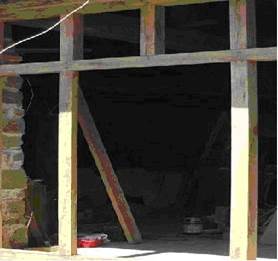
a) No coverage is provided for damage or loss to a mobile home that is due to its colliding with a vehicle designed for transporting a mobile home. The exclusion extends to damage created by contact with equipment that is attached to any transport vehicle. The exclusion applies when a mobile home is being towed or while being either hitched or unhitched.
b) Coverage is barred for collision accidents that occur when a mobile home is in motion
c) No coverage exists for any mobile home that overturns while in motion
d) Loss to a mobile home being moved that is caused by the sinking or stranding of any watercraft upon which it is loaded is ineligible for coverage
b. Exceptions to Exclusions That Apply to Coverage A and Coverage B
The policy will pay for certain ensuing losses that stem from items a.2). through –a.12) situations excluded above, except when the source of ensuing loss is, itself, specifically excluded.
An additional exception applies to loss involving discharge and overflow. Under Coverages A and/or B, if property is damaged by overflowing water or steam caused by excluded perils of settling, cracking, shrinking, bulging, or expanding, birds, vermin, rodents, insects or animals, smoke, pollutants and/or wear and tear, it is covered, but only in certain situations. If the discharge comes from a water/vapor source from either of the following there is coverage:
·
Located off-premises
·
Located on premises, such as a
plumbing system, regular home appliance, water heater or sprinkler system
However, there is no coverage available for damage to the actual device.
The exception does not apply to damage involving either a described location’s sump pump or gutter systems.
Note: Some ambiguity may exist. The MH 7800 Mobile-Homeowners endorsement modifies this section by adding the “Collision, Upset, Sinking or Stranding” Peril. However, the above exceptions section only references items a. 2) through a.12)
2. Coverage C—Personal Property
There is coverage for losses to property identified as eligible under Coverage C when the damage or destruction is due to any of the sources of loss described in the section of the policy.
Note: Careful reference should be made to the Exclusions That Apply to Property Coverages Section since that section might specifically bar coverage.
The eligible perils are:
a. Fire or Lightning
b. Windstorm or Hail
Note: There is no coverage for loss in either of the following:
· When damage to the interior or to the interior’s contents caused by dust, rain, sand, sleet, snow, or water, driven by wind or not, that enter through an opening in the structure not made by the direct force of wind or hail
· Damage to watercraft or their trailers, furnishings, equipment, or engines or motors, unless inside a fully enclosed building.
Naturally, an insurer wants its insureds to use common sense and protect their property. If the first stipulation didn’t exist, then coverage would be available for losses, which could be prevented by closing doors, windows and by moving personal property indoors.
Related Article: Windstorm or Hail—A Discussion
c. Explosion
Related Article: Explosion—A Discussion
d. Riot or Civil Commotion
|
Example:
As a homeowner near her city’s arts district, Marla loves the youthful
excitement and bohemian atmosphere of her neighborhood. She was less thrilled
when, after being told that a very popular regional band’s concert was sold
out, hundreds of enraged fans rioted. Her home’s add-on front porch was
destroyed and many of her windows were broken. This damage would qualify for
coverage. |
Related Article: Riot
or Civil Commotion—A Discussion
e. Aircraft
f. Vehicles
|
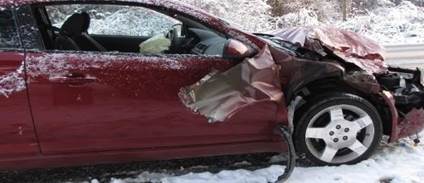
Example: Amy is thrilled that she made it home safely during the season’s first episode of freezing rain…until she sees what is waiting for her. A large SUV failed to negotiate a turn and slid into the front of Amy’s mobile home, caving in an entire wall. This loss is eligible for coverage. |
|
g. Sudden and Accidental Damage from Smoke
There is coverage when boiler, furnace or related equipment release fumes, smoke, and soot or vapor causing sudden and accidental damage. However, there is no coverage for loss caused by smoke from agricultural smudging or industrial operations. Both of these sources of loss result from a home’s proximity to an operation or practice that is longer term and intentional in nature. Agricultural smudging is the practice of creating an oily smoke to cover fruit and fruit trees in order to protect them from frost.
h. Volcanic Eruption
This does not include any loss caused by earthquake or other shock waves or tremors.
i. Vandalism or Malicious Mischief
Related Court Case: Water Damage Exclusion Held Overcome by
Vandalism Proximate Cause
j. Theft
This peril expands the term to include attempted theft and loss of property from a known place so that it is likely that theft occurred.
Note: There is no coverage for any of the following:
· Theft in or to a residence while it is being built. This includes the theft of materials or supplies that are intended to be used in the construction of the residence. This exception applies until the residence is occupied for its intended use.
· Theft by an insured
· Loss of a precious or semiprecious stone from its setting
· Loss as a result of the theft of a credit or debit card or other electronic transfer or access devices, except as provided under Incidental Property Coverages
· Theft from a part of the described location while it is rented to others who are not considered insureds
· Theft of trailers, semitrailers, campers, camper bodies, watercraft or their furnishings, equipment, or engines or motors when not at the described location
· Theft of property that occurs away from the described location insured premises while on the part of residential premises which an insured owns, rents, or occupies, except for the time while an insured temporarily resides there. There is coverage for the property of an insured who is a full-time student, while the property is in the living quarters occupied by the student at school. However, the exception does not apply if, before the loss, the student has been away for 60 or more days from that location.
k. Falling Objects
Note: There is no coverage for loss to property inside a structure, unless the falling object has first damaged an outside wall or the roof of the structure by impact; nor is there coverage for the object which falls.
l. Weight of Ice, Snow, or Sleet
|
Example: |
|
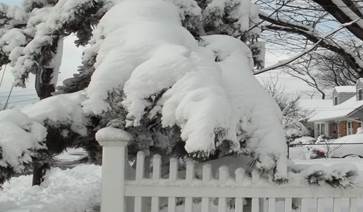
This is coverage for property located within a building damaged because of the weight of ice, snow or sleet.
m. Sudden and Accidental Tearing Apart, Cracking, Burning, or Bulging
This coverage refers to accidental, violent loss to a heating, air conditioning, or automatic fire protective sprinkling system or water heater. This cause of loss does not respond to damage involving freezing.
n. Accidental Discharge or Overflow of Liquids or Steam
This protection is quite limited since it only responds to discharge and overflow from a plumbing, heating, air conditioning, or automatic fire protective sprinkling system; water heater; or domestic appliance.
Losses involving sumps, sump pump, roof drains, gutters and related equipment are not covered. Further, the following situations are also excluded:
· Caused by continuous or repeated seepage, leakage or condensation over weeks, months or even years. There is coverage if an insured could not have reasonably suspected the situation to exist.
· Caused by freezing
· Damage to both the system and the particular appliance from which the water or steam escaped
· Caused by accidental discharge or overflow that originates away from insured premises.
o. Freezing
This involves situations of damage from frozen house utility systems or regular appliances. If a fire-fighting system is installed in an insured home, damage caused by a frozen sprinkler system is included. Coverage is excluded for any loss on the insured premises unless an insured arranges for any of the following:
· Maintain heat in the building
· Shut off the liquid supply and drain the system, heater, or domestic appliance (when no water-driven anti-fire system exists)
· Maintain the water supply (when a water-driven anti-fire system DOES exist)
Parts of the policy’s subsurface and surface water exclusion do not apply to this particular coverage.
Related Court Case: Water Pipe Freezing Held to Result in Covered Damage Only in Limited Circumstances
p. Sudden and Accidental Damage from Artificially Generated Electrical
Currents
This peril is restricted by eliminating coverage for loss to tubes, transistors, and similar electronic features that are components of appliances, computers, home entertainment centers and similar items.
Note: This could create a significant coverage gap for newer or retrofitted homes with increasingly complex, integrated electronics, such as Smart homes, especially since circuitry within the apparatus is not covered.
q. Sinkhole Collapse
In this policy, this term means direct physical loss caused by sudden settlement or collapse of earth that forms the support for covered property. The earth settlement or collapse must be due to subterranean voids created by the action of water on a limestone or similar rock formation. This source of loss is distinct from an event called Mine Subsidence when earth settlement or collapse occurs due to active or abandoned mines.
Important: There is no coverage for the cost of filling sinkholes.
Related Court Case: Insurer Making Late Appraisal Request Required to Pay Insured’s Attorney’s Fees
EXCLUSIONS THAT APPLY TO PROPERTY COVERAGES
1. This section of the Special Form Mobile-Homeowners policy lists the sources of property loss that ARE NOT covered by the policy. The policy language specifically addresses instances of anti-concurrent causation by stating that if any of the following perils cause loss or damage directly or even indirectly, there is no coverage. The loss or damage continues to be excluded even if other events aggravate or contribute to the loss before, after or during the excluded peril. In addition, the exclusions apply no matter the size of the area suffering damage.
a. Ordinance or Law
There is no coverage for any loss or increased cost caused by the enforcement of a code, ordinance, or law that regulates the use, construction, repair, or demolition of property or the removal of its debris, except as provided under Incidental Property Coverages. This exclusion extends to any loss in value of any damaged property that results from the enforcement of a code, ordinance, or law.
This exclusion has another important limitation. No coverage is provided for damages or expenses that are related to legal requirements involving the existence or impact of pollutants.
Related Court Case: “Building Code Upgrade Requirements Held Not Covered in Hurricane Andrew Rebuilding”
b. Civil Authority
If the civil authorities confiscate, destroy or seize property that is covered under Coverages A, B or C, there is no coverage. (There is coverage under Coverage D.) However, if the civil authority is destroying the property as a way to create a fire stop, the loss is covered, provided the fire would have been covered by the policy.
c. Nuclear Hazard
If nuclear reaction, radiation or radioactive contamination causes a loss, such loss is not covered no matter how the nuclear reaction, radiation or radioactive contamination is caused and whether it occurs in a controlled or uncontrolled circumstance. Any loss that is a consequence of the above is also not covered. Fire, explosion and smoke often are part of a nuclear incident, but even if these perils are covered under the policy, when they occur as part of a nuclear reaction, radiation or radioactive contamination loss, they are not covered.
There is one exception. If there is a direct loss by fire that is a result of the nuclear reaction, radiation or radioactive contamination, it is covered.
d. War and Military Action
War is an absolute exclusion, including
undeclared wars and civil wars. Warlike action taken by a military force is not
covered even if the action is one of defense by a governmental authority and
not offense. There is also no coverage if a loss is caused by internal domestic
disputes such as insurrection, rebellion, revolution, and usurped power
including the action the government takes to curtail the event. The discharging
of a nuclear weapon, intentional or accidental, is defined as a warlike action.
e. Neglect
Insurance policies are contracts, which obligate an insurance company to help a customer whose property is damaged or destroyed under described conditions. Insurance contracts are meant to respond to accidental loss so, inherent in the agreement, is the assumption that the insured will act to preserve or protect their property. In case an insured doesn’t act in this manner, the insurer is relieved of any obligation to pay for any damages caused by the insured’s failure. Of course, an insured is not required to go through heroic efforts to save property.
f. Earth Movement
The policy excludes losses due to earth movement no matter how the earth movement is caused – animal, human or act of nature. There are five distinct items included in the definition of earth movement.
· Earthquakes
· Volcanic eruption shock waves or tremors no matter when they occur
· Mudslide or mudflow and landslide
|
|
Example: Patty’s
insured home is in a low-lying neighborhood
located near a large stream. Days of rain engorge the stream and it overflows
its banks, sending a stream of mud onto the neighborhood. Soon the home is
surrounded by a several inch-thick pool of mud that buckles and shifts the
home off its foundation. The damage is not covered by her policy. |
· Erosion and subsidence
· Other – including but not limited to the earth sinking or rising, expanding or contracting and even just plain shifting.
There are three exceptions. Sinkhole, as described in the Incidental Property Coverages, direct fire or explosion loss that result from any type of earth movement, and theft, if theft is covered elsewhere in the policy.
g. Water
This exclusion consists of eight parts that attempt to clearly communicate the scope of the exclusion.
1) There is no coverage for damage that results from the following:
flood, surface water, waves (including tidal wave and tsunami), tides, tidal water, overflow of a body of water, or spray (which occurs from any of the sources mentioned above), driven by wind or not. Further, this exclusion also applies to water surge caused by storm, tides or a tide created by a storm (storm tide).
While these additions may appear to be mere semantics, recent, high-profile claim awards hinged upon such parsing and shifting of language and the change is meant to specifically address this reality.
2) There is no coverage if a loss is caused when either of the following occurs:
a) Water backs up through sewers or drains
b) Water overflows (or is in anyway discharged) from within a sump pump, sump pump well, or other type of system designed to remove subsurface water that is drained from the foundation area.
Note: The reference to discharged water is intended to defeat attempts to gain coverage from, essentially, technicalities.
Related Article: AAIS Homeowners Optional Coverage Endorsements – includes info on endorsement HO 2708–Water Back Up and Sump Discharge or Overflow
3) If water below the surface of the ground causes the loss there is no coverage. This term includes (but is NOT restricted just to) water that exerts pressure on, or seeps or leaks through or into a building, sidewalk, driveway, foundation, swimming pool, or other structure. It also applies to such water that flows through or into such areas/structure.
4) When a loss is caused by matter that is either contained in and/or has been transported by sources described in paragraphs 1), 2), and 3) above there is no coverage. The matter is not defined but examples could be sewage, waste or any other type of debris.
5) The losses caused by items 1) through 4) regardless are not covered regardless whether the item is either of the following:
a) An act of nature
· b) Involves water and/or matter that comes from (overtops, escapes from, released from or otherwise is discharged) a containment or control system (such as dikes, dams, levees, floodgates and similar devices).
6) While the above (and similar) events are excluded, an exception
is made for direct loss to covered property caused by a subsequent fire or
explosion
7) Another exception is granted for theft that is related to such
occurrences mentioned above (as long as the applicable policy provides theft
protection elsewhere in the policy).
|
Example: A
storm causes a stream to overflow and flood |
8) The policy’s separate water exclusion does NOT apply to such instances
IF the source of loss is a domestic appliance or the insured home’s air
conditioning, plumbing, heating, sprinkling systems or water heater at the
described location. However, the coverage only applies if the insured either
did not, or could not, have been reasonably expected to know about the damage.
Eligible loss sources do NOT include plumbing, sump equipment or similar
equipment used for handling the removal of subsurface water or regular drainage
water.
Related Court Case: Earth Movement Exclusion Held Limited to Movement from Natural Causes
h. Power Failure
The policy does not respond to damage caused by an interruption of utility service unless the cause occurs on the described location, but the policy will cover any direct damage due to a subsequent covered peril.
i. Intentional Acts
The policy does not cover intentional acts of any insured (who acts alone or in collusion) that results in a loss. The exclusion extends to losses resulting from intentional acts committed by persons acting on the directions of any insured.
Related Court Case: Intentional Injury Covered by Homeowners Insurance for Death, Damages Caused by Youths
Note: Not only must the act be intentional but also the intent must be to cause a loss. This distinction is important since it allows the exclusion to be applied more broadly to merely deliberate acts.
Related Court Case: Insured's Voluntary Drunkenness Does Not Justify Application of Policy's Intentional Act Exclusion
When one insured causes intentional damage to property that is owned or co-owned by another insured, the loss that would be payable to the innocent insured is still not covered.
|
Example: The
Merseys file a claim after a fire destroys their mobile home. After a long
investigation, they discover that the home’s breaker box was tampered with,
so it would short out and start a fire. Later, Jeff Mersey confesses that he
hid the fact, unknown to his wife, that he gambled away their life savings
and hoped to collect insurance money. His wife attempts to collect the claim,
but she is denied. |
|

j. Bacteria, Fungi, Wet Rot, or Dry Rot
The policy does not cover loss involving mold, bacteria and similar
substances. Neither does it respond to circumstances that directly create
rotted property. If, somehow, rotting or bacterial, mold and similar events
trigger a loss from an eligible hazard or peril (source of loss) that damage is
eligible for coverage.
Related Court Case: Homeowner Disputes Third-Party
Exclusion
2.
If a covered loss ensues from either of the following exclusions, there is
coverage for the ensuing loss.
a.
Weather Conditions
Coverage is not provided for losses that
result from weather conditions that CONTRIBUTE IN ANY MANNER to losses excluded
under the preceding Exclusions That Apply to Property Coverages. In other
words, losses caused by legal ordinances, civil authority, nuclear activity,
war, neglect, earth movement, water damage, power disruption or intentional
acts DO NOT become eligible for coverage because of weather conditions. Weather
conditions do not mitigate or eliminate any excluded sources of loss.
b.
Errors, Omissions, and Defects
The Special Form Mobile-Homeowners policy
intends to cover accidental property damage so, by its nature, it would be
contradictory to provide coverage for errors, defects and mistakes, which
become an inherent source of loss. In light of this, the policy DOES NOT cover
losses due to acts, errors or omissions (whether negligent or not) involving any
of the following:
1) Land use
2) The design,
specification, construction, workmanship, or installation of property
3) Planning,
zoning, development, surveying, siting, grading, or compaction
4) Maintenance
of property (including land, structures, or improvements), whether on or off
the insured premises
5) A defect,
weakness, an inadequacy, a fault, or unsoundness in materials used in
construction or repair, whether on or off the insured premises, except as
provided under the Incidental Property Coverage for Collapse.
Related Court Case: Design Error
Excluded Collapse Loss from Coverage
LIABILITY COVERAGES
Principal Coverages—Liability and Medical Payments to Others
Unlike the first part of the policy, which concerns itself with damage to property belonging to the insured, this part provides protection for a person’s responsibility for injuring other people or their property. The liability portion of the policy has its own set of coverages, exclusions (with exceptions) and conditions.
1. Personal Liability—Coverage L
The insurer is obligated, up to the limit shown on the declarations, to pay the amounts for which an insured is legally liable because of bodily injury or property damage to others. However, any payment under Coverage L—Personal Liability is subject to all of to the following:
· Any loss has to arise out of an eligible occurrence
· The loss has to occur within the policy period
· The bodily injury or property damage must not be excluded under this coverage.
|
|
Example: |
For more details, please refer to the Incidental Coverages Section, Claims and Defense Costs.
2. Medical Payments to Others—Coverage M
Under this coverage, the insurer agrees to pay for necessary medical expenses, which are related to an eligible loss that involves bodily injury. Medical expenses refer to a reasonable (as determined by the insurer) amount for medical, surgical, x-ray, dental, ambulance, hospital, and professional nursing services. It also covers items such as funeral services, prosthetic devices, hearing aids, prescription drugs, and eyeglasses or contact lenses.
In order to qualify for coverage, the expense must be incurred or medically determined within three years from the date of an accident-causing bodily injury covered by this policy.
Medical payment coverage is provided for situations that occur either on, or away from, the insured premises. While on the premises, the injured party merely needs to be on the premises with an insured’s permission. In order to qualify for coverage while away from the premises, the bodily injury must at least one of the following criteria:
· Result from a condition on an insured premises
· Result from an activity of an insured
· Be caused by a person who is performing duties as a domestic employee
· Be caused by an animal owned by or in the care of an insured
The above elements are independent of each other. Meeting any single element may qualify an injury for medical payment coverage.
Note: There is no coverage for medical payments for the named insured or for any regular resident of the named insured’s household. However, there is coverage for domestic employees.
Incidental Liability Coverages
The policy includes eight incidental liability coverages and they are subject to all of the terms, which apply to principal coverages L—Personal Liability and M—Medical Payments to Others.
Note: These incidental liability coverages do not increase the limits of liability, except under the following:
· Damage to property of others
· Claims and defense costs
· First aid expense
· Loss assessment
1.
Business
The Special Form Mobile-Homeowners policy
only provides very limited coverage for bodily injury or property damage
related to a business use of the insured premises. Specifically, coverage is
granted for such injuries or damage created by two types of business
activities.
a. The following
types of rental activities are covered:
·
The occasional rental, as a residence, of the
insured premises that is usually occupied by the person appearing on the declarations
·
The rental of other parts of the insured premises
for use as a residence as long as no one family unit includes more than two
roomers or boarders
|
Example: Charlie, a single dad, became an empty nester when his daughter moved out on her own. Several months ago, he rented out the, now, spare room. Clyde, his tenant, is injured when while trying to open a jammed window. The window suddenly flies open, breaking and severely cutting Clyde’s face, and hands. Clyde sues Charlie for his medical expenses. This suit is eligible for coverage. |
|

·
The rental of a part of the insured premises for
use as a school, studio, office, or private garage
Related Court Case: “Baby-sitter’s Activity that Caused Injury”
b. The policy
also covers business activities involving younger members of an insured
household. Businesses run by persons younger than 21 are eligible for coverage
as long as the activity does not include employees and any loss is related to
the activity.
Note: Exclusion g., under
Exclusions that Apply to Coverage L and Coverage M, does not apply to this
Incidental Liability Coverage.
Related Article: ML 450–AAIS
Home-Based Business Coverage Part
2. Claims and Defense Cost
In a defense action, the insurance company will pay all of the following:
· The costs that are taxed to an insured and the costs incurred by the insurance company
· The premiums on bonds but only on the amount of the bond that is within the limits in the policy. The insured is responsible for the premium of the bond limits in excess of the policy limits.
·
The necessary costs incurred by the insured at
the request of the insurance company including an insured’s lost earnings
caused via time spent away from work (subject to a $250 daily maximum)
· The interest accruing on the entire judgment amount following its award. Once the insurance company deposits its policy limits with the courts, it stops paying such interest even if the limits did not satisfy the entire judgment.
· The portion of prejudgment interest levied against the insured up to the insurers limits. Once a full limits offer is made, the insurer will no longer pay this type of interest.
Related Court Case: , Cover No, Defend Yes
3.
Contracts
There is coverage for damages for bodily
injury or property damage under a written contract if either of the following
applies:
· The contract directly relates to the ownership, maintenance, or use of an insured premises
· The contract where the liability of others is assumed by an insured was made before the loss
The loss causing the bodily injury or property
damage must take place during the
policy period. Exclusion c., under
Additional Exclusions that Apply to Coverage L does not apply to this
Incidental Liability Coverage. However, this incidental provision is subject to
all other exclusions that apply to this policy’s Liability and Medical Payments
parts.
4. Damage to Property of Others
This coverage is often called voluntary property damage. Its purpose is to handle smaller losses without being concerned about an insured’s legal liability. Under this provision, the insurer will pay replacement cost for property damaged by the insured without regard to legal liability.
Note: The limit for this coverage is $1,000.
The exclusions that apply to coverages L and M do not apply to this coverage. However, there are certain circumstances under which the insurance company will not pay for damage to property:
a. If the property is covered under the property section of the policy. However, if the property section limit does not satisfy the loss, this coverage will pay the excess up to the limit of the coverage.
b. If the property is owned by an insured, or owned by, rented to, or leased to another resident of the named insured’s household or by a tenant of an insured.
Now this exclusion is confusing for a couple of reasons. First, it should be obvious that it wouldn’t cover property owned by any insured, because it is called Damage to Property of Others. Second, while it doesn’t cover property that is owned by an insured, if the person is either a tenant of any insured or is a resident of the named insured’s household, there’s no coverage for property that they own, lease or rent. Therefore, it appears that this coverage does pay for property that is either rented or leased by any insured.
c. When the loss is caused intentionally by an insured who has reached the age of 13.
d. Involving an insured’s business activities or a premises owned, rented, or controlled by an insured other than an insured premises.
e. Arising from the ownership, operation, maintenance, use, occupancy, and renting, loaning, entrusting, supervision, loading, or unloading of motorized vehicles, aircraft, hovercraft, or watercraft.
Note: There is coverage for property damage that arises from motorized vehicles not owned by the insured and meant for recreational off-road use or handicap assistance. There is also coverage if the nonowned vehicle is a service vehicle for the insured premises or another premises provided the service use is not part of a business. However, coverage only applies if the vehicles are not required to be registered by a governmental authority.
5. First Aid Expense
If the insured incurs first aid expenses caring for persons injured by bodily injury under the policy, the insurance company will pay for those expenses provided the persons are not insureds under the policy.
6. Loss Assessment
There is coverage for the named insured’s share of an assessment made by his or her homeowners, condominium, or similar residential association if the assessment is due to either of the following:
· Bodily injury or property damage eligible for insurance under coverages L and M of this policy
· Damages or legal fees the association has a legal obligation to pay for the acts of a director, officer, or trustee but only if they result from the exercise of his or her duties performed on behalf of the association. These individuals must be elected by the association and serve without compensation.
There is no coverage if the assessments charged against the named insured or the residential associations are made by any governmental body or authority.
Coverage applies if the assessment is made
during the policy period. This means that coverage is based not on the
occurrence of the loss that causes the assessment, but instead is based on the
timing of the assessment charge. As a way to prevent confusion, the Policy
Period condition of the liability section does not apply to this coverage.
The limit for this coverage is $1,500 per occurrence. Regardless of the number of assessments, this limit is the most that will be paid for either of the following:
· A single accident, including repeated exposures to similar conditions
· A particular act of a director or trustee. (An act involving more than one director or trustee is considered a single act.)
7. Motorized Vehicles
a. This
provision involves the policy’s limited-basis coverage for bodily injury or
property damage that is a result of the ownership, maintenance, use, loading,
or unloading of the following:
·
A motorized vehicle that is in dead storage and is
at the insured premises. This exception is granted because such vehicles
represent a premises rather than an auto exposure.
Related Court Case: Homeowners Insurance Covers Injuries
Resulting from Auto Repair
·
A motorized vehicle that services the insured
premises provided any occurrence takes place on an insured premises but not a
connected premises to the insured premises or a cemetery lot or burial vault
·
A motorized vehicle designed only for off public
roads use and is used to service the insured premises, or premises of another
·
A motorized vehicle that assists a handicapped
person
·
A
motorized recreational off-road vehicle that is not
owned by an insured but is used by an insured (not required to be on premises)
·
A
motorized recreational off-road vehicle that is owned
by an insured provided any occurrence takes place on an insured premises. Insured
premises in this case does not include premises that are used by the named
insured in connection with other insured’s premises. It also does not include
cemetery lots or burial vaults.
·
A battery operated, very low speed (15 m.p.h. or
less) motorized vehicle that is not a motor-driven bike, moped or golf cart
·
A motorized golf cart owned by the insured and not
designed to seat more than four persons, nor designed to exceed a speed of 25
m.p.h. but only if the occurrence takes place at one of the following:
o At a golf club or similar establishment and the cart is being stored or parked or is being used by an insured in a manner appropriate for the golf club – on the marked paths and in accordance with club rules. Coverage continues if the cart must travel across public roads but only if traveling where marked and to other parts of the golf club.
o A residential
community where golf carts are allowed on the public roads, the community has a
property owners association and the insured premises is located within the
community.
b. This
provision’s wording reiterates that any coverage is barred if, at the time of a loss, the applicable
vehicle is subject to registration because it is designed for public road use
or in order for it to be used at the described location. Coverage is also
barred if the vehicle is part of a speed or performance contest, if it is used
in business (exception exists for golfing), is rented to others, or if an
insured is compensated for using the vehicle to transport anyone or anything.
c. Exclusion c. and
e. under Exclusions that Apply to Coverages L and M do not apply to this
Incidental Liability Coverage and exclusion g. also does not apply but only for
golf carts being used at golfing establishments.
Note: The other
exclusions applicable only to Coverage L and that apply only to Coverage M
still apply to motorized vehicles.
Related Court Case:
ATV Injury Not Covered by
Homeowners Policy
8.
Watercraft
a. There is
coverage for bodily injury or property damage resulting from the maintenance,
use, loading, or unloading of watercraft if any of the following apply:
·
It is in storage
·
It is less than 26 feet and a sailing vessel
·
It is powered by outboard engines of 25 horsepower
of less
·
The watercraft is not owned by an insured and it is
powered by inboard or inboard/outboard engines or motors totaling 50 horsepower
or less.
·
The watercraft is not owned or rented by an insured,
there is coverage under either of the following:
o
It is a sailing vessel with or without auxiliary
power over 26 feet
o
It is powered by inboard or inboard/outboard
engines or motors totaling more than 50 horsepower
·
When a watercraft is powered by outboard engines or
motors that total more than 25 horsepower there is coverage under any of the
following circumstances:
o
The engines or motors are acquired by an insured
prior to the policy period and they are listed on the declarations as insured
for personal liability; or if a request for liability coverage is made within
45 days after they are acquired
o
The engines or motors are acquired by an insured
during the policy period
o
The engines or motors are not owned by an insured.
In other words, coverage is restricted to
loss situations involving watercraft owned by an insured as long as it is not
in active use or is low risk (small, minimally powered craft), or loss
situations involving slightly more powerful craft, which is not owned by an
insured.
b. This provision’s
wording reiterates that any coverage is barred if, at the time of a loss, the applicable craft is part of a speed or
performance contest (exception for sailing vessels participating in either a
cruise or predicted log contest), if it is rented to others, or if an insured
is compensated for using the vehicle to transport anyone or anything.
c. Exclusions c. and
e. under Exclusions that Apply to Coverages L and M do not apply to this
Incidental Liability Coverage.
Note: The other exclusions applicable only to Coverage L and that apply only to Coverage M still apply to motorized vehicles.
Exclusions That Apply to Liability Coverages
1. Exclusions That Apply to Coverages L (Personal Liability) and M
(Medical Payments to Others)
This policy does not apply to:
a. bodily injury or property damage caused by war or warlike situations including:
|
undeclared war |
civil war |
|
insurrection |
rebellion |
|
revolution |
warlike act by a military force or
military personnel |
|
destruction, seizure, or use of property for a military purpose |
discharge of a nuclear
weapon (even if accidental) |
|
defense or hindering of hostilities by a military force |
|
b. bodily injury or property damage resulting from an insured
owning or leasing an aircraft or hovercraft. There is also no coverage for any
person who operates, maintains, uses, occupies, loads, or unloads an aircraft
or hovercraft. In addition, if an insured entrusts or loans a hovercraft or
aircraft to a person, there is no coverage. Finally, there is no coverage for
the insured’s negligence or nonexistent supervision of a person with respect to
an aircraft or hovercraft. This exclusion does not apply to bodily injury that
may occur to a domestic employee of the insured if the injury occurs in the
course of that employee’s duties.
Remember that based on the definition
of aircraft and hovercraft, models are covered provided they are not designed
to carry cargo or people.
|
Example:
Jerry was teaching his son how to operate a radio-controlled model
airplane. They used a large, grassy field that was across the street from
their home. Jerry’s son asked if he could land the plane. Jerry soon
regretted agreeing to let him. His son brought the plane down too fast to
land, it swooped by them, flew across the street and through their neighbor’s
large bay window. Besides the broken window, the plane slammed into a T.V.
The damage from this accident is NOT excluded. |
|
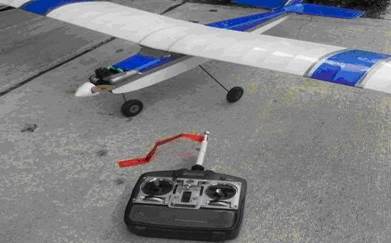
c. bodily injury or property damage resulting from an insured
owning or leasing a motorized vehicle or watercraft. There is also no coverage
for any person who operates, maintains, uses, occupies, loads, or unloads a
motorized vehicle or watercraft. In addition, if an insured entrusts or loans a
motorized vehicle or watercraft to a person, there is no coverage. Finally,
there is no coverage for the insured’s negligence or nonexistent supervision of
a person with respect to a motorized vehicle or watercraft. This exclusion does not apply to bodily injury that may occur to
a domestic employee of the insured if the injury occurs in the course of that
employee’s duties. This exclusion also does not apply in situations
where the policy’s Incidental Liability Coverage provides coverage for
Motorized Vehicles or Incidental Liability Coverage for Watercraft.
d. bodily injury
or property damage that arises from an aircraft or hovercraft even if the
insured is considered vicariously liable because the actions of a child or
minor caused or led to the injury or property. This exclusion holds whether or
not law imposes the liability.
e. bodily injury
or property damage that arises from a motorized vehicle or watercraft even if
the insured is considered vicariously liable because the actions of a child or
minor caused or led to the injury or property. This exclusion holds whether or
not law imposes the liability. This exclusion also does not apply in situations
where the policy’s Incidental Liability Coverage provides coverage for
Motorized Vehicles or Incidental Liability Coverage for Watercraft.
f. bodily injury or property damage resulting from rendering or failing to render a professional service
g. bodily injury
or property damage that is created by any insured’s business activities whether
on or away from the insured premises and whether or not the business is owned
or operated by an insured.
|
Example: Dan is an ace mechanic who supervises a large car dealership’s repair shop. Money has been tight, so he supplements his pay by regularly servicing and repairing small engines in his detached garage. One day, a neighbor comes by to test out a lawn mower that Dan was working on, but the blade has not been tightened. The neighbor’s feet and legs are severely cut when the blade flies loose. This incident is not eligible for coverage. |
An exception exists for the limited
circumstances insured under the form’s incidental business coverage and when a
golf cart is used at a golfing establishment.
Note:
This exclusion also applies to other forms of injury to others that may
be directly related to an insured’s business activity as well as loss involving
expectations related to such activity (i.e., activity related service, etc.).
Related Court Case: , Wedding Guest's Injuries Not Covered Due to Business Pursuits Exclusion
h. bodily injury
or property damage that is connected to locations that, while not shown as a
described location, an insured owns, rents, or controls.
Note: There is
coverage for bodily injury to a person in the course of performing duties as a
domestic employee.
i. bodily injury or property damage expected by, directed by, or intended by an insured, as a result of a criminal act of an insured, or the result of an intentional and malicious act by or at the direction of an insured
Note: This exclusion applies even if the bodily injury or property damage that occurs is different than what was expected by, directed by, or intended by the insured, or if someone suffers the bodily injury or property damage other than the person or persons expected by, directed by, or intended by the insured.
This exclusion makes an exception for bodily injury or property damage that is caused by an insured using reasonable force to protect people or property.
Related Court Case: Stabbing Attack Excluded Under HO Policy
j. bodily injury or property damage because a communicable disease is transmitted by an insured.
This is a broad exclusion with no
limitation.
k. bodily injury or property damage due to sexual molestation.
The term insured is not used in this exclusion and there is no further explanation. Since there are no explanations or limitation, this means that if an insured is named in any suit involving sexual molestation there is no coverage even if the insured is not alleged to have perpetrated the molestation.
Related Court Case: Sexual Misconduct Claim Denied
l. bodily injury or property damage that is a result of physical or mental abuse.
There is no requirement that this
be a direct result of the abuse, the amount of time that can be between the
abuse and the bodily injury and the property damage. It doesn’t even say who
must cause the physical or mental abuse. It is a very open-ended exclusion.
Related Court Case: HO Policy Excludes Physical Abuse of Minor
m. bodily injury or property damage that arising out of corporal punishment
|
Example: Dana agreed to babysit for pay for the kids of her old friend, Beth, even though Dana knew the twins were unruly. Dana reaches her limit when one twin is caught beating her small dog. Dana puts the child over her lap and starts spanking him. They struggle and the child is injured when he falls onto the hard floor. Beth sues Dana for the treatment of the child’s severely sprained ankle and for dental work. The loss is not covered. |
|
n. bodily injury or property damage arising from any aspect of the illegal drug trade. This includes manufacturing, selling, using, delivering, transferring or possessing of a controlled substance such as cocaine, LSD, marijuana along with other narcotic and hallucinogenic drugs by a person (does not have to be an insured).
This very broad exclusion should make homeowners wary of activities in or around their home since they would have no coverage even if they had no knowledge of the activity on their premises. This exclusion does not apply to prescription drug use provided the person to whom it was prescribed uses the drugs.
2. Additional Exclusions That Apply Only to
Coverage L (Personal Liability)
Coverage L (Personal Liability) does not apply to:
a. bodily injury to any of the persons who meet the conditions found under items 13. a.-e. in the definition portion of this policy.
This would include the named insured, residents of the named insured’s household, the named insured’s relatives and more. It also means that persons defined as insureds under definition 13.f. are covered for bodily injury. The 13.f. insured definition includes real estate managers, persons accountable for animals and watercraft, etc.
|
Example: The Herks’ modest mobile home is a favorite of the neighborhood! One summer day, nearly two dozen kids are running around in bathing suits, slinging water balloons at each other. At the height of the battle, Jimmy and Josef slam head-on. They both have to be taken to an emergency room. Jimmy’s treatment is eligible for coverage. Josef’s treatment is not since he is the Herks’ son. |
b. any claim made or suit that is brought against an insured that is seeking contribution to or reimbursement of damages for which another person may be liable because of bodily injury to an insured.
This exclusion is trying to eliminate coverage that might be gained when one insured may have assisted another in the injury of another insured.
c. liability held by an insured due to entering a contract or an agreement. However, an exception exists via the protection provided by the Incidental Liability Coverage for Contracts.
d. damage to property that any insured owns
e. costs and expenses for actions taken at owned property to prevent injuries and damages to others.
Such efforts should be handled by insureds without expecting payment from the insurance carrier.
f. damage to property that is rented to, occupied by, used by, or in the care of an insured, except for property damage caused by fire, smoke, or explosion
Note: This coverage exception concerning property in the control of an insured is often referred to as Fire Legal Liability.
g. sickness, disease, or death of a domestic employee. This applies only when a written notice is not received by the insurance company within 36 months following the end of the policy period during which the injury occurred. Stated another way, such injury to a domestic employee IS covered but only IF notice of the injury is received no more than 3 years after the end of the policy period during which the loss occurred.
h. bodily injury to a person, including a domestic employee, if the insured has a workers compensation policy covering the injury. Such injury is also not covered if benefits are payable or are required to be provided by the insured under a workers compensation, non-occupational disability, occupational disease, or like law. This exclusion places the coverage onto the workers compensation carrier and prevents double dipping. It also doesn’t protect the employer from shirking his or her legal responsibilities.
i. liability for any assessment made by a homeowners, condominium, mobile homeowners, or similar residential association, except as provided by the Incidental Coverage for Loss Assessment.
|
Example: Tom turns in a bill to his insurance company. His neighborhood association charged him $490. After getting more information about the assessment, his insurance company denied the claim. It turns out that the assessment is for snow removing equipment that is jointly owned by all of the association members. |
j. bodily injury or property damage that results from an occurrence
for which an insured is also an insured under a nuclear energy liability policy
or would be an insured but for the exhaustion of its limits. A nuclear energy
liability policy is a policy issued by American Nuclear Insurers, Mutual Atomic
Energy Liability Underwriters, Nuclear Insurance Association of Canada, or
their successors.
3. Additional Exclusions That Apply Only to
Coverage M (Medical Payments to Others)
Coverage M (Medical Payments to Others) does not apply to the following bodily injury:
a. To an insured or other person who resides on the insured premises, except a domestic employee
b. To a person, including a domestic employee, if a workers compensation policy covers the injury or if benefits are required to be provided under a workers compensation, non-occupational disability, occupational disease, or like law
c. To a domestic employee if the injury occurs off of the premises and does not arise out of the employment of an insured
d. That results from and all consequences of nuclear reaction, nuclear radiation or radioactive contamination, however caused.
WHAT YOU MUST DO IN CASE OF LOSS OR CLAIM
This section of the policy discusses a very important part of the
policy: the promise of the insurer, under described circumstances, to pay for a
loss (including defending a lawsuit). Since the policy is a contract, both the
insurer AND the insured have responsibilities. The manner in which a loss or
possible loss is handled by an insured is critical to making sure that the
policy properly responds to a loss.
1.
Property Coverages
a.
Notice
When a loss occurs, the insured is obligated
to do all of the following:
· Promptly notify the insurance company or the insurance company’s agent
Note: The company providing coverage has a right
to ask that the notification be in writing.
· If the act that causes the loss is a crime, the insured must promptly notify the police
· Notify the credit, debit or similar funds-handling card company if the loss involves a credit, debit or similar card.
The above actions serve important functions.
First, they permit the company to begin the loss investigation process,
including any action to protect its rights and to determine if its insured is
actually liable for payment under the policy. The quick reporting to the police
and any credit or debit card companies help to minimize a potential loss by
initiating any criminal investigation and terminating a thief’s ability to make
continued use of stolen cards. The reporting duty also minimizes fraud on the
part of an insured. Persons tempted to make phony claims may be stopped by the
requirement of a police report.
Related Court Case: Loss Notice Dispute Blocks
Repairs
b.
Protecting Property
Under this policy, an insured is required to
extend a good faith effort to protect covered property at and after an insured
loss to avoid additional loss. The company agrees to reimburse the insured’s
REASONABLE costs incurred for necessary repairs or emergency measures performed
solely to protect covered property from further damage. However, the
preservation effort must involve covered property that is endangered by a
covered peril or a covered peril that has already caused damaged. The insured
must keep an accurate record of such costs. However, the insurer will not pay
for such repairs or emergency measures performed on undamaged property.
|
Example: During a
snowstorm with very heavy snowfall, Theo’s mobile home was damaged by the
weight of snow that partially pulled down the roof over the front porch. A
claims adjuster took information about the loss over the phone and told Theo
that, due to the heavy number of more serious storm claims, it may be a week
before anyone could come out to see his home. Because more poor weather was
forecast, Theo hires a handyman to install a heavy tarp as well as a
temporary brace to prevent further damage. Later, an adjuster tells him it
was smart to take the precautions and the expenses would be eligible for
reimbursement. |
|
This provision does not increase the
insurance policy’s limit.
c.
Cooperation
The insured must cooperate with the insurer
in performing all acts required by this policy. The policy requires that an
insured work with, rather than against, the insurer in order to investigate and
process a possible claim.
Related Court Case: Breach of "Cooperation" Condition by Insureds Held to Warrant Insurer's Denial of Burglary Claim
d.
Inventory of Damage Personal Property
This refers to the quantity, description,
cost, amount of loss, and actual cash value of the personal property involved
in the loss. The insured must give the insurance company copies of all bills,
receipts, and related documents to confirm these.
e.
Showing Damaged Property
The insured must show the damaged property
and allow the insurer to take samples of damaged property for inspection,
testing, and analysis. Such requests can be made at the insurer’s discretion
and the number of requests should be kept reasonable. Of course, what is
considered reasonable is subjective.
f.
Records and Documents
The insured must show records, including tax
returns and bank records of all canceled checks that relate to the value, loss,
and costs, and permit copies to be made of them as often as the insurance
company reasonably requests.
Related Court Case: Insurer Justified Its Request for Loss Documentation
g.
Examination under Oath
The insured must agree to be questioned by
the insurer with regards to a claim and the questioning can include answering
questions under oath. When more than one insured is questioned, the sessions
can be taken separately and without any other insured witnessing the separate
sessions.
This duty helps to protect a company against
attempts to conspire to file false claims. On the positive side, it may also
assist in getting the most details concerning a valid loss.
Note: While an
insurance company has the right to make requests concerning gathering insured
statements, seeing the damaged property and securing related records, the
emphasis is on the insurer making reasonable demands. The request must be for
the purpose of moving along their claims investigation and a formal decision on
accepting or denying the claim.
Related Court Case: Insureds Fail to
Submit to Examination under Oath
h.
Proof of Loss
If the insurance company requests it, the
insured is required to provide the insurer with a signed, sworn proof of loss.
The proof of loss must be submitted within 60 days from the date of the
insurer’s request and it must show the following:
· The time, place, and the details of the loss
· The (insurable) interest of the insured and the (insurable) interest of all others, such as mortgagees and lien holders, in the property. If a party cannot demonstrate an insurable interest in the damaged property, the insurer is not obligated to make payment to an insured.
· Other policies that may cover the loss, since other policies may have to also provide coverage for an eligible loss
· Changes in title or use
· Available plans and specifications of buildings
· Detailed repair estimates
· An inventory of lost items (the inventory must meet the requirements stated separately in this section)
Further, an insured must document any claim
that includes any request for reimbursement for a credit card, debit card or
other, similar funds-handling card. Finally, any requests that involve additional
living expenses have to be supported by proof of the property’s current market
rental value and actual additional living expenses incurred.
Related Court Case: Failure to File
Timely Proof of Loss Precludes Coverage
i.
Assistance with Enforcing Right of Recovery
This duty requires an insured to help with
any reasonable insurance company effort of recovery. In many instances where
insurers make payments to their clients, other parties are responsible for the
damage or injury. When possible, insurers act to recover payments from these
other parties and they often need the insured’s help to do so.
2.
Liability Coverages
Once there has been an occurrence, the
following duties must be performed. It is important to notice the word
occurrence is used and not claim. This means that an obligation exists even
before a claim is presented. The named insured can choose to have another
insured perform the duties but the ultimate responsibility of getting the
duties completed remains with the named insured.
a.
Notice
While speed in reporting a loss is important,
quick notification is useless if it doesn’t include enough information with
which to make decisions. Therefore, the notification has some content
requirements. Specifically, the notice should include all of the following:
· The name of the named insured
· The policy number
· The time, place, and the details of the occurrence, and
· The names and addresses of all known potential claimants and witnesses.
Further, any notification has to be done in
writing and, if not performed by an insured, must be completed by an insured’s
legitimate representative (a person with proper authority to work with the
insurer on behalf of the insured AND to be held accountable for actions or
errors).
b.
Volunteer Payments
An insured must not make payments, pay or offer
rewards, or assume obligations or other costs, except at the insured's own
cost. This stipulation does not apply to costs that are allowed by this policy,
such as minor payments (i.e., first aid) that are permitted under the policy’s
incidental coverage section.
The policy allows an insured some leeway to
make payments in order to respond to emergencies or to help mitigate problems.
However, an insured has to take great care in making payments that fall outside
of the parameters permitted by the company. EVEN when an insured agrees to make
payments out of his or her own pocket, he or she needs to be aware of the
ramifications of such payments. Certain actions may be interpreted as an
admission of guilt or responsibility for a loss when that interpretation may be
wrong. It is important that an insured not put his company on the hook for a
loss when the facts don’t support liability on the insured’s part.
c.
Cooperation
The insured must cooperate with the insurer
in performing all acts required by this policy. The policy requires that an
insured work with, rather than against, the insurer in order to investigate and
process a possible claim.
Related Court Case: Breach of "Cooperation" Condition by Insureds Held to Warrant
Insurer's Denial of Burglary Claim
d.
Notice, Demands, and Legal Papers
Insureds are required to provide rapid
notification to the insurer of any communications, especially paperwork that is
related to an occurrence. Specifically, the insured must send copies of such
paperwork to the insurer as quickly as possible. Failure or significant delays
can compromise the insurance company’s ability to properly investigate and
handle a claim.
e.
Assistance with Claim and Suits
At the request of the insurance company, an
insured must help the company with any of all of the following:
· To settle a claim
· To participate with lawsuits, such as appearing at trials and hearings
· With their efforts to recover payments or take other action against separate parties who may be legally responsible for applicable injury or damage
· With efforts to obtain and provide evidence
· To ensure attendance of all witnesses.
f.
Other Duties—Damage to Property of Others
In case of a damage to property of others loss, the insured must give a signed, sworn statement of loss within 60 days after the loss and must exhibit the damaged property but only if the property is still within the insured’s control.
HOW MUCH WE PAY FOR LOSS OR OCCURRENCE
In this portion of the policy, the company’s obligation to provide insurance protection to the insured is described, including explanations of limits, deductibles, losses to pairs, set and parts and loss settlement terms.
1. Property Coverages
a. Our Limit
Subject to the deductible or any other limitation that may apply, the insurance company providing coverage has the option to pay either the policy’s applicable limit or the amount that is developed according to the policy’s loss settlement terms. The amount that is paid will be the LEAST EXPENSIVE option. The option will be exercise without being affected by the total number of insureds, claimants or financial interests involved with a given occurrence. However, the amount paid will also be subject to the actual insurable interest that exists.
b. Deductible
1) The deductible that appears in the policies applies to all of
the principal and incidental property coverages, except for Refrigerated
Property; Fire Department Service Charge; Credit Card, Electronic Fund Transfer
Card or Access Device; and Forgery and Counterfeit Money losses.
Unless a specific exception is made, the deductible that appears on the policy declarations page applies to losses caused by all covered perils. The insurance company providing coverage will pay the part of the loss that exceeds the deductible (subject to applicable policy limits).
Note: When a towing expense is eligible for reimbursement under the policy’s Incidental Property Coverage for Emergency Removal, the deductible is not applicable.
2) Important Factors to Remember About the Deductible
·
The deductible applies per occurrence.
·
The deductible applies separately at each covered
location.
·
Only one deductible applies at each location.
c. Loss to a Pair or Set
If there is a loss to an item that is part of a pair or set, the insurer has the option of just paying to replace or repair the item, or to pay the difference in the actual cash value of the pair or set just before the loss and the actual cash value just after the loss. In other words, the insurer does not become obligated to compensate such losses by providing the value of a full pair or set.
d. Loss to Parts
When an occurrence involves a loss to a part of an item that consists of several components, the insurer’s obligation is only according to the value of the lost or damaged part or the cost to repair or replace it.
Both the Loss to a Pair or Set and the Loss to Parts provisions are meant to control the insurer’s exposure. In this case, the insurer makes it clear that it is not automatically obligated to treat a partial loss as, for all intents, a total loss. Of course, the loss circumstances and the type of property involved have a great deal to say about the values involved and what is considered to be fair.
When such losses involve damage to a covered mobile home, the insurance company’s payment obligation is to make either repairs or replacements that reasonably match any non-damaged pieces or panels. If matching, using reasonable effort is not possible, then the obligation is met by incorporating cosmetic means to complete repairs or to make a replacement.
While limited coverage exists under the policy’s Incidental Property Coverage for Increased Cost – Ordinance or Law, an insurance company’s repair or replacement effort does not have to include any consideration for work that must be done to undamaged pieces of panels.
e. Loss Settlement Terms
Depending upon the policy’s applicable settlement terms, eligible losses are handled according to either the replacement cost terms or according to the actual cash value term.
Regardless of the terms used to handle an eligible loss, increased costs or expenses that are created by a law, code or ordinance will not affect the payment. However, there is an exception for the limited coverage that exists under the policy’s incidental property section.
1) Replacement Cost Terms
These terms are for losses involving a covered mobile home and to other structural property which have foundations and roofs that are protected under Coverages A and B. They do not apply to any of the following:
· Window air conditioners
· Awnings and canopies
· Antennas
These exceptions have much to do with the fact that such property is either protected under another coverage part or is too vulnerable to depreciation, or both. The exclusion of such property is not affected by whether they are attached to structural property.
When attempting to determine the replacement cost for property that is covered under Coverages A and B, do not include the cost of and of the following:
· Excavations; brick, stone, or concrete foundations; piers; and other supports that are below the undersurface of the lowest basement floor or below the surface of the ground inside the foundation walls, if there is no basement.
· Underground flues, pipes, wiring, and drains
The policy makes these exceptions in the replacement cost computation because this property often survives even total losses and, therefore, shouldn’t be included in determining a building or structure’s full replacement value.
Most carriers have a goal to preserve the property that they insure. Therefore, it is in their interest to encourage that damaged or destroyed property is repaired or replaced. For larger losses, the insurer has the option to make incremental settlements. Specifically, when the cost to repair or replace damaged or destroyed property exceeds the lesser of $2,500 or 5% of the limit on the damaged building, the insurance company will not pay for more than the actual cash value of the loss until repair or replacement is completed.
The insured also has options. He or she may make a claim for the actual cash value of the loss before repairs are made and then make a further claim for the replacement cost provided a notification has been provided to the insurance company within six months of the loss of the intent to claim replacement cost.
If the limit on the damaged building is less than 80% of its replacement cost at the time of loss, the larger of the following amounts is used in applying the terms under the Our Limit terms:
1. The actual cash value at the time of the loss
2. That part of the replacement cost of the damaged part which the policy limit on the building bears to 80% of the full current replacement cost of the building.
If the limit on the damaged building is at least 80% of its replacement cost at the time of loss, the smaller of the following amounts is used in applying the terms under the Our Limit terms:
1. The cost to repair or replace the damage on the same premises for the same use and utilizing materials of like kind and quality, to the extent practical
2. The amount spent to repair or replace the damage.
Note: The named insured may decide to rebuild at a different location. This is acceptable under the policy but the replacement cost is limited to the costs that would have been incurred had the building been rebuilt where the loss occurred.
Related Article: Replacement Cost Valuation
2) Actual Cash Value Terms
Actual cash value includes a deduction for depreciation.
The actual cash value terms are used to settle losses in all instances where items are not eligible for replacement cost settlement. In those instances, the least expensive option among the following is used:
1. To the extent practical, the cost to repair or replace the lost or damaged property with materials of like kind and quality
2. The actual cash value of the property at the time of loss
3. When loss or damage involves a mobile home, the difference between the lost or damaged property’s pre-loss and post-loss actual cash value.
2.
Coverage L—Personal Liability
The policy’s Coverage L limit appears on the
declarations and it acts as the maximum possible amount that the insurer is
obligated to pay for a single occurrence. This maximum obligation is not
affected by the number of persons who are insureds, the number of parties who
sustained injury or damage, or the number of legal actions (claims or
lawsuits). The above limit also acts as the maximum when more than one policy
period is involved and it applies regardless of the number of claims. Repeated
exposure to similar conditions is considered one occurrence as are all bodily
injury and property damage from any one accident.
|
Example: Joey and
Ramona Tumbledowns’ mobile home policy includes Coverage L limit of $100,000.
After experiencing the fun of a zip line at a festival, the Tumbledowns
decide to install one in their backyard. Once it was up, their 5-year-old son
invited many of his friends over to try it out. Unfortunately, things soon
got out of hand. The Tumbledowns didn't use the proper support materials.
Besides the line collapsing, so did an overloaded launch platform. Several
families sued them due to injuries to their children. The lawsuits were as
follows: |
|||
|
Plaintiff |
Damages
Sought |
Defendant
(named in suit) |
|
|
Family A |
$41,000 |
Ramona |
|
|
Family B |
$18,000 |
Joey |
|
|
Family C |
$29,500 |
Ramona & Joey |
|
|
Family D |
$14,000 |
Joey |
|
|
Family E |
$36,000 |
Joey |
|
|
Family F |
$22,000 |
Ramona & Joey |
|
|
Total |
$138,500 |
Joey (3), Ramona
(1), Both (2) |
|
|
The fact that there are five separate suits and that Joey and Ramona
have been sued both singly and as a couple has no effect on the policy limit
of $100,000 being the maximum amount of available coverage. The policy treats
the event as one loss. One area that will be substantially affected is the
amount provided for defense costs because the carrier could, conceivably,
have to defend all five suits. The good news for Joey and Ramona is that the
defense costs are including outside of limits and will not reduce the amount
available to actually for the loss. |
|||
3. Coverage M—Medical Payments to Others
The coverage limit that appears for Coverage
M is the maximum amount of protection available for medical expenses paid to a
given third party for a single accident.
The payment of a claim under Coverage M does
not imply liability under Coverage L. In other words, the policy may cover the
medical expenses of an injured person without giving up the right to
investigate and decide upon the merits of any related liability claim.
4.
Severability
Each insured
under the policy is treated individually under the policy with one
exception—the limit of insurance applies per occurrence not per insured.
5.
Insurance under More Than One Coverage
If more than one coverage of this policy
applies to a loss, no more than the actual loss itself will be paid. This
condition assures that a person is not allowed to benefit from the fact that
coverage under the policy exists from more than one area.
6.
Insurance under More Than One Policy
a.
Property Coverage
Depending upon the source of coverage that is
available (in addition to this policy), the policy may respond to the loss on
either a proportional or an excess basis.
When there is other insurance that applies to
the loss, the insurance company providing coverage under this form is only
obligated to pay its share of the loss. This policy’s share is based upon the
portion of coverage it provides in relationship to the total amount of coverage
available from all sources of coverage, which apply to the loss.
Loss, cost or expenses that are covered under
a government fund or a home warranty type plan are not considered insurance
under this provision.
When a loss also is covered by the master
policy of an association or corporation of property owners, this insurance
responds on an excess basis. In other words, this policy would provide coverage
ONLY AFTER any available protection from the master policy is exhausted. While
this is an important provision, it is likely to be a rare occurrence since
master policies are unlikely to provide coverage for property owned
individually by a condo unit-owner.
Related Court Case: Conflicting "Other Insurance" Clauses Disregarded
b.
Personal Liability
This insurance is excess over other valid and
collectible insurance that applies to the loss or claim. However, this
condition does not apply to insurance written specifically to act as a second
or additional tier of coverage above this policy's limits.
If the other insurance is also considered
excess, this policy will pay only its share of the loss. The part of the loss
that will be paid is that part of the loss that the applicable limit under this
policy bears to the total amount of insurance covering the loss.
This condition attempts to make any liability
protection provided by this policy act only after another source of coverage
responds to a loss. It adds an option of responding on a proportional basis
when the other source of coverage provides its protection on an excess basis.
Unfortunately, not all circumstances can be foreseen by policy conditions so
there are times that insureds and insurers will dispute how coverage is to
apply.
Related Court Case: Association
Group Policy Held Not to Contribute with Member's Homeowners Policy
7. Warranties and Service or Maintenance Plans
or Agreements
The policy’s available coverage is directly
affected when a warranty, service plan or similar agreement applies to an
occurrence. In such instances, the policy responds on an excess basis. This
provision applies even if such agreements or plans are structured to operate
similarly to insurance. Regardless, the policy’s coverage would apply as excess
(as opposed to the proportional basis that applies when other sources of
insurance are available).
8.
Government Funds
The policy’s available coverage is directly
affected when a government fund also applies to an occurrence. In such instances,
the policy responds on a proportional basis. Specifically, this policy would
apply coverage based on the share of total protection that its limit
represents.
PAYMENT OF LOSS
1. Property Coverages
a. Losses are adjusted between the named insured (including resident spouse) and the insurance company. The insurance company is obligated to pay an insured loss within 60 days after receiving an acceptable proof of loss and coming to a written agreement on amount of the loss.
Related Court Case: Loss Payment to Named Insured Relieved Insurer from Claim by Co-Owner
If there is a dispute between the insured and the insurer and the appraisal condition is exercised, the insurer has to make payment within 30 days after the filing of an appraisal award. Unless there is a loss payee, payment is made to the named insured.
b. The insurance company has some flexibility in paying for an eligible loss. The settlement may be paid in money; or the insurer may choose to rebuild, repair, or replace the property. The insurance company is obligated to give the insured notice of its intent within 30 days after the insurance company receives an acceptable proof of loss.
The insurance company has a right to take all or part of the damaged property at the agreed or appraised value. If the insurance company pays for or replaces property, it then belongs to them. This last option is another way to make certain that an insured is indemnified for, rather than enriched by a loss. Insurers also salvage property as one way to help recoup their loss payments.
c. If a covered loss makes the described location unfit for use for more than one-month, additional eligible expenses will be paid on a monthly basis. The insured must submit proof of the extra living expenses.
2. Liability Coverages
Once a person has been granted a judgment against an insured or insurance company, the insured and the claimant have reached an agreement; that person can recover under the policy based on the available, applicable coverage.
Note: That extent is based on the limits section of the policy.
3. Damage to Personal Property of Others - At the option of the insurance company, a loss may be handled and paid either with an insured or with the actual owner of the damaged or destroyed property. These handling options are mutually exclusive.
Note: If it is not clear, the above reference to owner is to the owner of the damaged or destroyed property (not the owner of the policy paying the coverage). This insurer option could help to mitigate adverse feeling between the insured and the property owner.
POLICY CONDITIONS
Conditions Applicable to All Coverages
1. Assignment
No insured or other party can sign this policy and its coverages over for use by any other party unless, first, getting the insurance company’s permission (in writing).
2. Cancellation and Nonrenewal
This policy may be canceled by the insured by returning the policy to the insurance company or by giving the insurance company written notice that states at what future date coverage is to stop.
The insurance company providing coverage may cancel or not renew this policy by written notice to the insured at the address shown on the declarations. Proof of delivery or mailing is sufficient proof of notice.
Related Court Case: Insurer Did Mail Policy Termination
If it is during the first 59 days, the insurance company may cancel for any reason with at least 10 days’ notice before the cancellation is effective.
After this policy has been in effect 60 days or more, or if it is at the policy’s annual renewal, the insurance company may cancel only at the anniversary date unless any of the following applies:
· The premium has not been paid when due
· The policy was obtained through fraud, material misrepresentation, or omission of fact, which, if known by the insurance company, would have changed the decision to accept the risk, or
· A material change or an increase in the hazard of the risk has occurred.
This condition goes on to say that, if the policy is canceled for nonpayment of premium, the company providing insurance will give the named insured at least 10 days’ notice before the cancellation is effective. If the policy is to be canceled for any other reason after it has been effective for 60 days or more, the insurance company is obligated to provide at least 30 days’ notice before cancellation. If the company providing coverage elects to non-renew the policy, it is obligated to provide at least a 30-day notice.
Important: Generally, this provision is pre-empted by state law regarding cancel or nonrenewal reasons, amount of notice and proof of delivery. It is critical that state law is followed concerning any decision to cancel or non-renew a homeowner policy.
If any return premium is owed, it will be refunded at the time of the cancellation or as soon as is practical. Payment of the unearned premium has no bearing on cancellation.
3. Change, Modification, or Waiver of Policy Terms
Only the insurance company has the option of waiving or changing this policy’s terms and such waiver or change must be in writing. If the insurance company providing coverage under this policy adopts a revision that broadens coverage without additional premium, the broadened coverage will apply to this policy as of the date the insurance company adopts the revision in the state in which the described location is located. This condition applies only to revisions adopted 60 days prior to or during the policy period shown on the declarations. This condition does not apply to changes in a policy that both broaden and restrict coverage whether in an edition change or an endorsement.
An insurer asking for either appraisal or to formally interview and insured (examination under oath) does not waive any of the policy’s other applicable terms.
Related Court Case: Suit Limitation Waived by Insurer
4. Conformity with Statute
Terms in conflict with the laws of the state in which the premises shown on the declarations is located are changed to conform to such laws. This provision is rarely relied upon since amendments or endorsements are added to policies based on the described location’s state. However, there are instances where the condition is relied upon such as when a law changes after the policy issuance and prior to the attachment of a revised amendatory endorsement.
5. Death
If the named insured or the named insured’s in-resident spouse dies the legal representative of the person who died becomes an insured with respect to the deceased insured’s premises and property but only for the coverage provided by the policy at the time of that person’s death.
Recognizing that the status of the residents in the household change in the policy once the named insured or spouse die, the definition of insured is changed for the time of transition following the death. The definition of insured is expanded to include members of the deceased person’s household who were members at the time of death but only while residing at the described premises. In addition, if a person is granted temporary custody of the covered property belonging to the deceased, that person is an insured but only for that property and only under a legal representative is appointed.
6. Inspections
The insurer reserves the right to inspect the property it insures and it can do so with its own personnel or it can have another organization inspect on its behalf. The condition also warns the insured that, while an inspection and related information about the results of the inspection may imply a type of warranty or guarantee about the fitness of the insured location; that is not an assumption that should be made.
What purpose does this serve? This is a warning and a notice to an insured that a company inspection cannot be used as evidence of the worthiness of the property. A company has their own underwriting rules and philosophy for providing coverage and will not permit its actions to be used to the benefit of other parties. This also prevents the company from being held liable to other areas of authority concerning the property.
Related Court Case: Inspection of Premises by Insurer Was Not Performance of a Duty Owed the Insured – although this involves a commercial situation, it illustrates how allegations that an inspection creates a distinct obligation is handled.
7. Misrepresentation, Concealment, or Fraud
Any intentional concealment or misrepresentation on the part of any insured can void the policy for ALL insureds. If an insured lies or hides a material fact or any circumstance that relates to the insurance that is granted by this policy will cause the insurance to bar coverage for any insured. Therefore, such instances or acts will bar coverage even for innocent insureds. This negative consequence may take place due to incidents that occur either before or after any loss.
Simply put, the company should be able to rely on the statements made by the insured in making its decision to insure a person or property. If the statements are seriously in error, the insurance contract has no right to exist and the company has no obligation to honor it.
Related Court Case: , Misrepresentations in Application Held to Render Policy Void
8. Subrogation
When an insurer pays damages, it may ask the
insured to transfer his or her right to attempt to recover damages from another
party. The insured must agree, in writing, to do so and to fully cooperate with
the insured in pursuing the recovery. This act of seeking payment from a party
responsible for a loss is called subrogation.
This right is very valuable to an insurer. In
fact, if an insured damages this right to recover payment after a loss has
occurred, the insurer may no longer be obligated to pay for the loss.
The insured may waive all rights to recover
before a loss occurs—but this waiver must be in writing. Signing this waiver
BEFORE a loss does not affect coverage under the policy.
Subrogation problems do arise under homeowner
policies. Many insurers aggressively assert and protect their rights to
subrogate against other parties. In some instances, insurers are taking legal
action against their clients who
harm this right.
Note:
Subrogation does not apply to losses involving
medical payments made to other parties or to the Damage to Property of Others,
Incidental Liability Coverage.
Conditions Applicable to Property Coverages Only
1. Abandonment of Property
An insured may not abandon property to the insurer without the insurer’s permission.
Of course, if the insurer agrees to accept the damaged property, the act is NOT abandonment.
2. Appraisal
If the insurer and the named insured do not agree over the value of the covered property or the amount of the loss, each party has 20 days (after receiving a written request from the other party) to select an appraiser. The two appraisers will select an umpire.
If, within 15 days, they do not agree on an umpire, the two appraisers may ask a judge of a court of record of the state where the described location is located to make the selection. If the two appraisers agree in writing, that sets the amount of the loss. However, if they do not agree, the differences are submitted to the umpire and then the written agreement of any two of the parties sets the amount of loss. Each party will pay its appraiser and the two parties will share the cost of the umpire and related expenses equally.
Note: Appraisals are ONLY about resolving disputes over loss amounts. The process is not to determine any other issue between the insured and the insurer.
Related Court Case: Insured Appropriately Uses Appraisal Provision to Challenge Roof Claim
3.
Loss Payable Clause
If the form includes a loss payee with an
insurable interest in any covered contents, that loss payee (appearing in the
declarations) is granted status as an insured. However, any coverage is only to
the extent of the amount and nature of their interest in any personal property
that is protected by this policy. A copy of any termination notice or
non-renewal sent to the insured will also be sent to the applicable loss payee.
4.
Mortgage Clause
a. When a
mortgage interest appears on the declarations, loss settlements under Coverages
A or B will be arranged with both that interest and the policy’s named insured.
The payments will be made with proper consideration of each party’s financial
interest. Similar payment procedures will take place in the event that a policy
includes more than one mortgage (including trustee) interest.
A mortgage interest, which is listed on the
declarations, has rights and obligations under the policy, which, as far as
loss payment goes, are comparable to an insured’s rights. Any payments
involving property losses under Coverage A (dwelling) and Coverage B (related
structures) will be made to each party according to their share of the claim.
b. If an
insured’s claim is denied, coverage may still apply for the mortgagee. However,
in order to secure coverage for its legitimate claim, the mortgagee has to
notify the insurer regarding any changes in the risk, such as different
ownership or occupancy. The mortgagee must pay the policy premium once it
becomes aware of the insured’s failure to pay and, again if the insured fails,
the mortgagee can preserve possible coverage if it sends a valid, timely proof
of loss statement.
c. The insurer
has the obligation to give any mortgagee 10-day advance notice of a decision to
cancel or non-renew the applicable policy.
d. If a
mortgagee is paid for a claim that involves a denial to the named insured, it
is likely that the insurer will secure the mortgagee’s subrogation rights and,
in turn, go after the named insured for reimbursement. Further, when payment is
made to a mortgagee, the insurer may decide to buyout the mortgagee’s complete
financial interest and, if applicable; secure rights to the mortgage debt
and/or collateral.
Any reference to mortgage includes a secured
party (a person with, typically, a lenders interest in the covered mobile
home). While the mortgage clause’s protection is extended to secured parties,
that protection has exceptions. Unless the applicable policy has specific
coverage (along with a premium charge) this policy’s protection does not apply
to financial loss that involves the insured of the covered property that is in
his or her possession doing any of the following:
·
Conversion
·
Embezzlement
·
Hiding (secretion) of encumbered property
5. No Benefit to Bailee
This policy is not intended to provide protection for the direct or indirect benefit to parties who are paid to assume custody of the covered property. In other words, such persons or organizations should secure their own insurance instead of piggybacking onto an insured’s coverage.
6. Policy Period
The policy period sets the time frame in which a loss must occur in order for it to be covered under the policy.
7. Recoveries
There are instances when the insurer pays for a loss and then the property is recovered. Similarly, after the insurer’s payment, damage payments are received from those responsible for the loss. When this happens, the named insured and the insurer are obligated to inform each other. The costs of the recovery efforts are paid first. (The policy isn’t clear as to who is paying the cost–does the cost come out of recovery prior to the dispersal or does the party who secured the recovery pay the cost?)
The named insured can decide to keep the property or give it to the insurer. If the recovery is not wanted, then nothing changes but if the named insured wants the property, claim payments received from the insurer, or some lesser agreed upon amount, must be returned to the insurer. If the named insurer did not receive a complete payment for the claim, due to a deductible or a coverage limitation, the recovery is prorated based on the interest of each party in the loss.
What is important about recoveries is that they are resolved in a manner that is fair to the insurer and the insured. One party should not significantly benefit from the recovery of property or money if it comes at the expense of the other party.
Related Court Case: Insured Has Right to Claim Recovered
Property
8.
Suit Against Us
A suit against the insurer cannot be filed
without the Property Coverage’s terms being complied with. Further, the suit
must be filed within two years after the loss.
Note: If applicable
state law makes this time period invalid, the suit must be filed according to
that state’s mandated time frame.
9. Volcanic Eruption
All volcanic eruption action that
occurs within a 72-hour (3-day) period is considered a single occurrence.
Conditions Applicable to Liability Coverages Only
1.
Bankruptcy of an Insured
Bankruptcy or insolvency of an insured does
not relieve the insurance company of its obligations under this policy.
2.
Duties of an Injured Person—Medical Payments to Others Coverage
When there is a loss, the injured person or
his or her representative must provide the insurance company with a written
proof of claim as soon as it is practical. The insurer has the right to request
the statement be made under oath. The insurer must also receive permission or
authorization to receive copies of medical records.
In addition, the person who was injured must
agree to allow the insurers chosen doctors to conduct medical exams on a
reasonable schedule.
Note:
Although all of this may sound reasonable, the injured party is not a
part of the insurance contract so this may be difficult to enforce.
3.
Policy Period
This policy’s protection only extends to the
bodily injury or property damage losses occurring within the applicable policy
period.
4.
Suit Against Us
The insured is not permitted to file suit
against the insurer without, first, complying with all of the policy’s terms. Further,
the amount of the insured’s liability must have been determined by either of
the following:
·
A final judgment against the insured as a result of
a trial
·
A written agreement between the insured, the
claimant, and the insurer
Note: No person has a right under this policy to join the insurance company or to speak for the insurance company in actions related to determine the amount of an insured’s liability.